Hair Dye Safety: Avoiding Chemical Allergies
Many products labeled "herbal" hide harsh chemicals. I break down ingredient lists to help you color your hair safely without triggering allergic reactions.
Don't be fooled by the "herbal" label on hair dyes. I show how to read the ingredient list and spot hidden chemicals like PPD (paraphenylenediamine), which is a known allergen even in products marketed as natural.
What is PPD? It's a chemical in most dark hair dyes that makes the color long-lasting but can cause severe allergic reactions. I explain what it is and the symptoms to watch for, from scalp itching to facial swelling.
A PPD allergy often develops through a process called sensitization, which can start from temporary henna tattoos. I explain how this happens and why a past reaction means you should avoid all PPD-containing dyes.
I break down the three main types of hair dyes: temporary, semi-permanent, and permanent. Understanding how each one works, especially the oxidizing agents in permanent dyes, helps you make safer choices for your hair.
About Hair Dyes & Chemical Safety
Most people grab a box labeled "herbal" thinking it is safe, but the ingredient list often hides PPD (paraphenylenediamine). I frequently see patients who have used these products for years without issue, only to suddenly develop a severe reaction like facial swelling or blistering. If you have noticed any itching or redness on your scalp or neck after dyeing, stop using it immediately and consult a professional. Sensitization is real, and it is your body's way of telling you that the chemical load is too high.
Understanding How Dyes Work
To make safe choices, you need to understand what you are applying. Hair dyes generally fall into three categories:
- Temporary: These coat the hair shaft without penetrating it and wash out after one shampoo.
- Semi-permanent: These use ionic forces to deposit color into the hair without heavy oxidation. They last a few washes.
- Permanent: These are the most popular but also the riskiest. They penetrate the hair cortex using a combination of precursors, coupling agents, and strong oxidizing agents like ammonia and hydrogen peroxide.
The PPD Problem
PPD is the common chemical culprit responsible for deep, long-lasting black color. The darker the shade you want, the higher the concentration of PPD typically used.
Allergy to PPD is rarely immediate. It often develops through a process called sensitization. You might have used the same brand for years, and then one day, your immune system suddenly marks it as an allergen.
What to Watch For
Reaction symptoms go beyond simple itching. Watch out for:
- Scalp flaking or intense localized itching.
- Redness and swelling around the eyelids and lips.
- Pigmented Contact Dermatitis: This presents as gray-brown patches on your face, neck, or chest, often appearing months after you started using a specific dye.
My Advice
If you have had a reaction, do not try a different brand just to see if it works. Your immune system remembers, and you risk a more severe reaction next time. If you need color, look for truly vegetable-based alternatives like pure henna or indigo powder, but check the labels for hidden additives. If you are struggling with chronic scalp issues or need to discuss safe coloring options, bring your current dye box to our clinic in Vijayanagar. We can evaluate your skin's reaction and guide you on ingredients to strictly avoid.
Similar work from other experts
Browse through Curated picks from other experts on mytribe
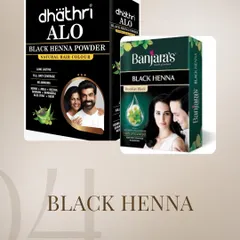
Choosing Safe Hair Products: A Dermatologist's Guide
Chemical-Free Herbal Hair Colour for Grey Coverage
 8
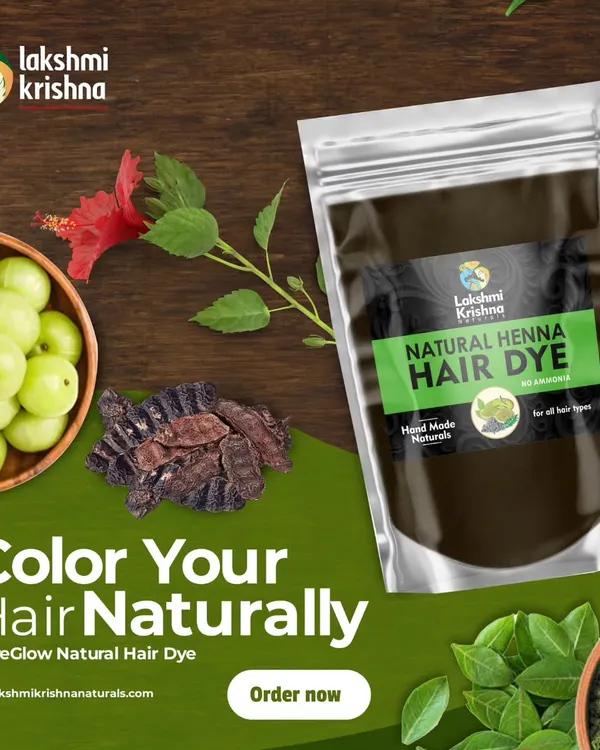
8Natural Henna Hair Colour
 7
7
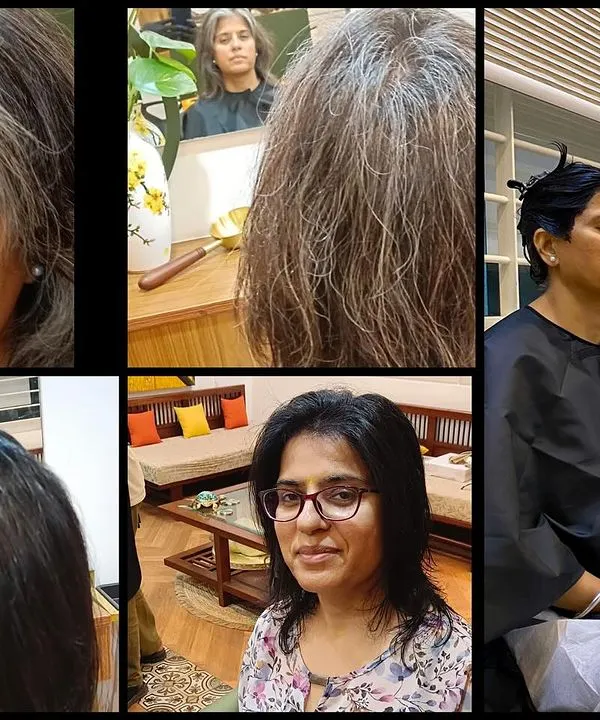
Natural Grey Coverage with Ayurvedic Plant-Based Herbs
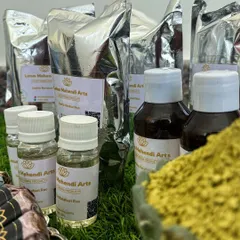
My Organic Henna Lab and Professional Supplies
Natural Hair Darkening for Premature Greying
More from Advanced Hair & Scalp Treatments by Urmila Nischal
More services by Urmila Nischal