Expert Pigmentation and Melasma Treatment
Pigmentation isn't just a surface issue; it’s a medical one. Whether you are dealing with melasma, sun damage, or post-acne marks, stop guessing with home remedies. Let’s identify the trigger and build a plan that restores your skin’s health.
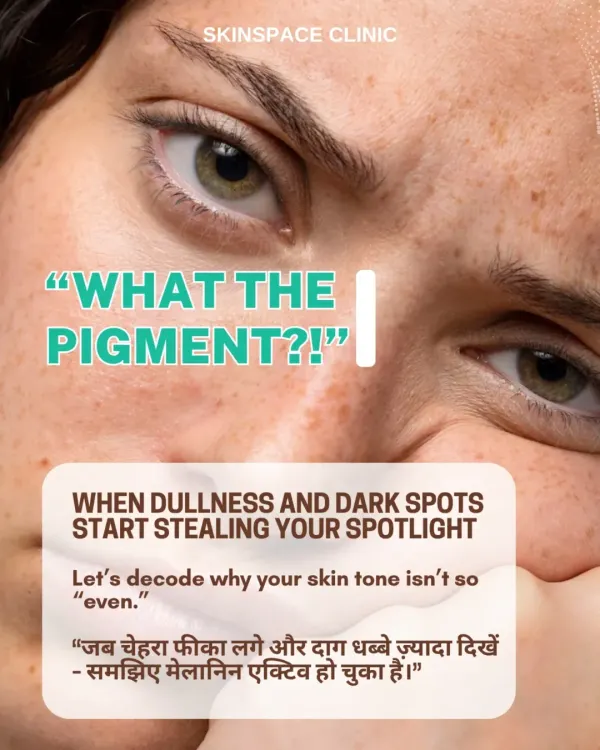
If you have noticed dark patches or an uneven skin tone that will not fade, you may be dealing with hyperpigmentation. This is a very common condition where the skin overproduces melanin in certain spots.
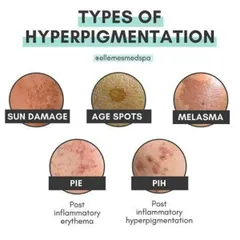
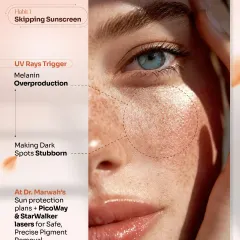
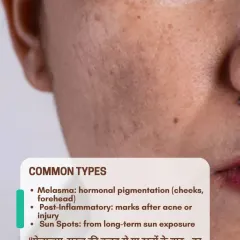
The number one cause of hyperpigmentation is unprotected sun exposure. UV rays trigger an overproduction of melanin, which leads to tanning, sun spots, and dark patches. Consistent use of sunscreen is your first line of defense.
Any form of skin inflammation, whether from acne, cuts, or burns, can leave behind stubborn dark spots after the initial injury has healed. This is known as post-inflammatory hyperpigmentation (PIH).
Hormonal changes are a major trigger for pigmentation. Conditions like melasma are often linked to pregnancy or birth control pills and typically appear as symmetrical patches on the face.
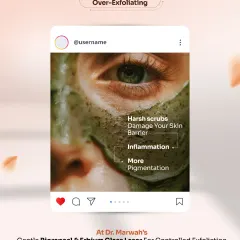
Using the wrong skincare products, especially harsh peels or active ingredients without professional guidance, can irritate the skin. This irritation can cause inflammation and make pigmentation worse.
Melasma is a chronic condition that cannot be 100% cured, but it can be 100% controlled. It requires a long-term management plan from a dermatologist. Treatments involving tranexamic acid, along with strict sun protection and other in-clinic procedures, can significantly reduce its appearance.
Did you know that your favorite perfume could be causing pigmentation on your neck and chest? This condition, known as Riehl's melanosis, is a reaction to ingredients in fragrances when exposed to sunlight. It is difficult to treat, so it is best to apply perfume on clothes instead of skin.
Darkness and pigmentation around the mouth, known as perioral dermatitis, can be caused by a number of factors including vitamin deficiencies or hormonal imbalances. The first step is to identify the underlying cause. After that, we can use fractional laser treatments and prescription creams to reduce the pigmentation.
Dark circles can be caused by genetics, nutritional deficiencies like low B12 or hemoglobin, lack of sleep, or stress. Before starting any treatment, I recommend a blood workup. Based on the cause, we can use active eye creams, fractional lasers, or hydrating boosters to lighten the under-eye area.
Sensitive skin is more prone to developing uneven tone, with a mix of dark patches (hyperpigmentation) and light patches (hypopigmentation). The key to managing this is a "less is more" approach, using gentle products in the morning and targeted serums at night, all under a dermatologist's guidance.
About Pigmentation & Uneven Tone
Pigmentation is often a symptom of an internal or external trigger, not just a cosmetic flaw. Whether it is melasma, sunspots, or post-inflammatory marks, the 'one-size-fits-all' creams you see online will only irritate your skin barrier. I start with a detailed assessment to check your skin grade and specific triggers—hormonal, lifestyle, or nutritional—before we touch a laser or chemical peel. Your skin requires a diagnosis, not a generic routine.
Why Your Current Routine Might Be Failing
Most patients come to me after trying endless DIY hacks or trending products that only aggravated their skin. Pigmentation, especially in Indian skin tones, behaves differently. If you are using harsh actives or DIY peels without understanding if your pigmentation is epidermal or dermal, you are likely causing post-inflammatory hyperpigmentation (PIH), making the problem worse.
My Clinical Approach
Glowing skin doesn’t mean you have to be fair. Aap apne skin tone mein kitne fresh lagte ho, wahi glowing skin hai (how fresh you look in your own skin tone, that's glowing skin). To achieve that, I focus on:
- Proper Diagnosis: We look at blood work to rule out nutritional deficiencies (like low B12 or D3) or hormonal imbalances that often trigger dark circles and perioral pigmentation.
- Advanced Intervention: For stubborn melasma, I utilize the Cosmelan Professional Depigmentation System, which is the gold standard for heavy-duty pigment control. For general uneven tone and tanning, I use Helios 4 (Pico/Q-Switch Nd:YAG) laser toning, which effectively breaks down pigment without damaging the surface skin.
- Texture & Repair: For scars and open pores linked to pigmentation, we use MNRF or Fraxis CO2 resurfacing to rebuild collagen.
Less is More
My philosophy is simple: clean, moisturize, and protect. Sunscreen is your first line of defense. Stop being a guinea pig for online trends and let’s create a treatment plan that actually works for your specific skin type. Whether it is a quick lunchtime peel or a comprehensive melasma management program, your safety is my priority.
Similar work from other experts
Browse through Curated picks from other experts on mytribe
 15
15
Pigmentation and Melasma Treatment Solutions
Effective Pigmentation & Uneven Tone Treatments
Pigmentation and Uneven Skin Tone Treatments

Effective Pigmentation and Melasma Treatment
 12
12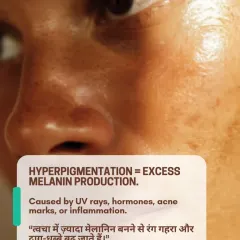
Treating Pigmentation, Melasma & Dark Spots

Pigmentation Correction for a Brighter, Even Tone
More from Acne, Scar & Pigmentation Treatments by Sadhana Deshmukh
More services by Sadhana Deshmukh