Essential Skincare Principles for Long-Term Skin Health
Great skin is not the result of fleeting trends or expensive products. It is built on a foundation of scientific understanding and consistent, evidence-based habits that protect your skin barrier.
As a dermatologist, I rely on science, not marketing propaganda. This post debunks common skincare myths, such as the idea that expensive products guarantee better results or that cosmetic treatments must look unnatural. My practice is built on evidence-based, personalized care.
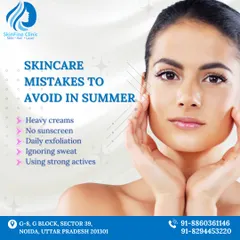
As a dermatologist, I often see patients making common skincare mistakes that hinder their progress. In this video, I discuss three frequent errors, including over-exfoliating a damaged skin barrier and expecting overnight results. My approach is rooted in patience and a correct, personalized diagnosis to achieve lasting skin health.
These are the "green flags" of a healthy skincare routine. Consistently following these habits, such as daily moisturizing, applying sunscreen, and removing makeup before bed, forms the foundation for healthy, resilient skin.
Knowing how much product to apply is crucial for both efficacy and avoiding waste or irritation. This visual guide demonstrates the correct amounts for common skincare products, including the "two-finger" rule for sunscreen and pea-sized amounts for serums and creams.
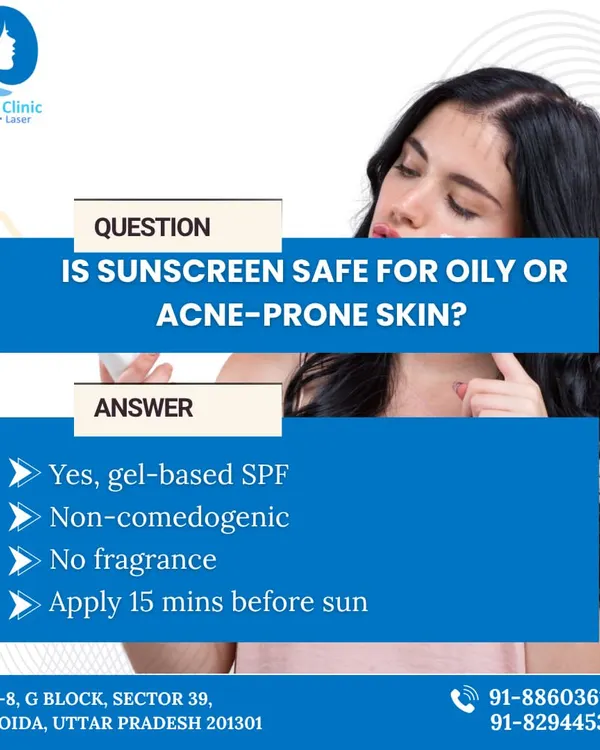
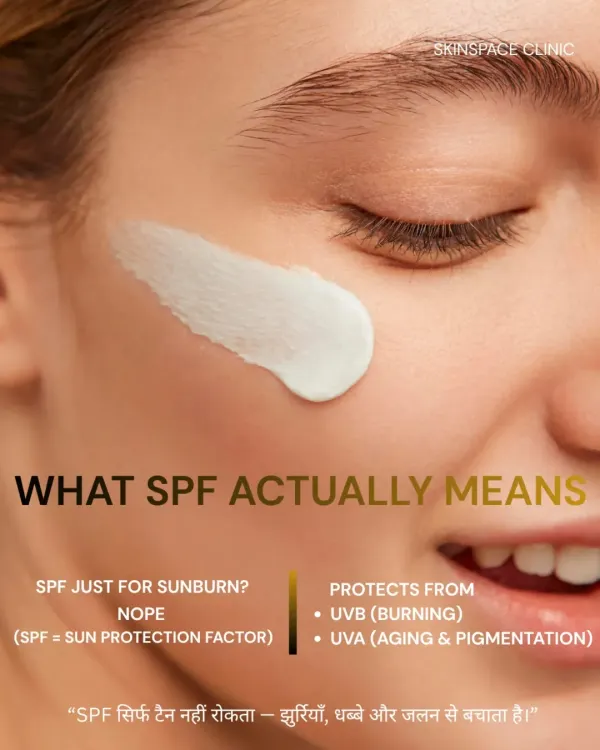
A common misconception is that sunscreen is only necessary on sunny days. This infographic clarifies that damaging UV radiation penetrates clouds and glass, making daily broad-spectrum SPF application a non-negotiable component of any skincare regimen for preventing photoaging and hyperpigmentation, even when indoors.
This is your daily, friendly reminder from your dermatologist. Applying and reapplying sunscreen is the single most important step you can take to protect your skin's health and vitality and prevent long-term damage.
A simple truth from my years of practice: if someone is reminding you to use sunscreen, it is an act of care. Protecting your skin from UV radiation is fundamental to its long-term health.
A cleanser's role is foundational in any skincare regimen. It removes not just makeup residue but also accumulated dirt, sweat, excess oil, bacteria, and dead skin cells, creating a clean slate for your other products to work effectively.
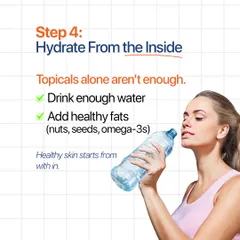
On National Hydration Day, I explain why hydration is essential fuel for your skin. Proper hydration, both internally through water intake and externally with humectants like hyaluronic acid, improves healing, slows the formation of fine lines, and reduces the severity of scarring and pigmentation.
Summer heat and air conditioning can severely dehydrate the skin. I offer my professional tips for staying hydrated from the inside out, including dietary suggestions and a recipe for a simple, cooling facial spritz to use throughout the day.
About Essential Skincare Principles
Your skin barrier is your first line of defense, and it requires more than just product application; it needs a systematic approach tailored to your unique physiology. Many patients arrive at my clinic having inadvertently compromised their skin health by over-exfoliating or using trending ingredients that contradict their specific needs. My clinical philosophy focuses on stripping away the marketing noise to return to the essentials: correct cleansing, targeted hydration, and the non-negotiable daily use of broad-spectrum sunscreen.
The Science of Your Daily Routine
Skincare, at its core, is an exercise in physiology. When I assess a patient's routine, I am looking for stability rather than innovation. Most skin concerns, from acne to premature aging, can be addressed by mastering the fundamentals.
The Non-Negotiables
- Cleansing: This is the foundational step. It removes excess sebum, environmental pollutants, and dead skin cells that block pores. A proper cleanse is the only way to ensure your active treatments can penetrate the dermis.
- Sun Protection: UV radiation is the primary driver of hyperpigmentation and photoaging. I emphasize that sunscreen is not a seasonal choice; UVA rays penetrate glass, meaning indoor protection is essential. Consistency here determines the efficacy of all other treatments.
- Hydration: Moisture is fuel for the skin. Whether through humectants like hyaluronic acid or dietary adjustments, maintaining hydration reduces the severity of inflammation and improves healing times for acne or textural scarring.
Debunking the Myths
I often see patients who expect overnight results from clinical procedures or who believe that an expensive price tag guarantees a superior formulation. Both are false. Skin repair is a process of cellular turnover, which takes time. Patience is not just a virtue in dermatology; it is a clinical requirement.
My role is to help you distinguish between a temporary trend and a sustainable habit. If you are struggling with a routine that feels chaotic, or if you have specific conditions like PCOS-related acne or melasma, we must replace generic advice with a diagnosis-first plan. We start with the barrier, address the underlying inflammation, and only then do we introduce advanced therapies.
Similar work from other experts
Browse through Curated picks from other experts on mytribe
Your Simple, Science-Backed Daily Skincare Guide
 13
13

Expert Skincare Advice for Healthy Results
 5
5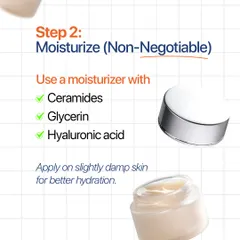

Skincare Basics: A Dermatologist’s Guide to Healthy Skin


Your Daily Skincare Playbook

My Science-Backed Skincare Philosophy
 9
9


Science-Backed Daily Skincare & Prevention Tips
More from Medical Dermatology by Malavika Kohli
More services by Malavika Kohli