Acne, Pore, and Scarring Treatment Protocols
Effective management of acne and scarring requires a diagnostic-led approach, not just symptom masking. I focus on identifying the root causes, from hormonal imbalances to inflammation, to restore your skin health.
Understanding the underlying cause of adult acne is the first step toward effective management. This condition is often multifactorial, involving hormonal fluctuations, stress, and other triggers that require a targeted dermatological plan.
The primary causes of adult acne include hormonal changes, stress, certain medications, diet, and improper skincare habits. A thorough diagnosis is essential to identify the specific triggers for each patient.
An effective skincare routine for managing adult acne is built on key principles. It includes double cleansing to remove impurities, proper moisturization to maintain the skin barrier, regular exfoliation, and the use of targeted treatments prescribed for your specific condition.
It is crucial to consult a dermatologist for adult acne, especially if it is severe, persistent, or has resulted in scarring. Professional guidance is also recommended if the condition is causing emotional distress, as a comprehensive treatment plan can significantly improve both skin health and quality of life.
Polycystic Ovary Syndrome (PCOS) manifests with distinct cutaneous symptoms due to hormonal imbalances. This educational video explains the connection between elevated androgens, insulin resistance, and resulting conditions like cystic acne and hirsutism. My 360-degree approach integrates medical dermatology with lifestyle and hormonal management for comprehensive care.
Acne is a complex inflammatory condition of the pilosebaceous unit. Its causes are multifactorial, including excess sebum production, bacterial proliferation, clogged pores (comedones), hormonal fluctuations, and inflammation. A successful treatment plan must address these root causes.
Salicylic Acid, a Beta Hydroxy Acid (BHA), is a cornerstone ingredient for treating oily and acne-prone skin. Its oil-soluble nature allows it to penetrate pores and exfoliate from within, effectively dissolving the debris that leads to comedones and inflammation.
Managing oily skin, which is often prone to acne, requires a consistent and targeted approach. Key strategies include cleansing twice daily with a foaming cleanser, regular exfoliation to remove dead skin cells, daily sunscreen use, and moisturizing with a non-comedogenic product.
Men's skin has distinct biological characteristics that influence acne presentation. It is approximately 25% thicker, has larger pores, and produces more sebum, all of which can contribute to a higher likelihood of breakouts. Treatment must be adapted to these factors.
It is important to understand the physiological differences in men's skin. Factors such as thicker skin, larger pores, higher collagen density, and irritation from shaving necessitate a tailored approach to skincare for optimal health and appearance.
About Acne, Pores, and Scarring
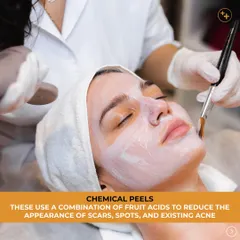
My approach is rooted in diagnosis, not just symptom management. During your initial consultation, we utilize digital dermoscopy to visualize subsurface skin layers, allowing us to identify the specific root causes—whether hormonal, inflammatory, or mechanical—before determining if a chemical peel, microneedling, or a personalized topical regimen is necessary for your recovery.
Acne is a complex inflammatory condition, and in my practice, I treat it as such. Whether it is adult hormonal acne, jawline breakouts, or the textural scarring that remains long after a flare-up, the first step is always identifying the underlying trigger. I see many patients who have tried numerous over-the-counter products without success; this is usually because the regimen did not address the root cause, such as insulin resistance or bacterial proliferation.
Clinical Treatment Philosophy
For active lesions, we focus on medical-grade actives and clinical chemical peels that safely exfoliate and control inflammation without damaging the skin barrier. When dealing with deep-set scarring, we utilize microneedling with Dermapen 4, a process that relies on controlled collagen induction to remodel the skin's structure from within. This is not about vanity; it is about restoring skin barrier function and long-term health.
Why a Diagnostic Approach Matters
Whether you visit my clinic at Peddar Road or Khar, you will receive a diagnostic-led plan. We integrate lifestyle management, particularly for PCOS-related acne, with advanced procedural interventions. You must understand that this is a process; there are no magic overnight results. My goal is to equip you with the knowledge to manage your skin properly—including knowing when to avoid picking at lesions—and to provide the professional interventions required for lasting clarity.
We prioritize safety and efficacy above trends. Every treatment, from laser toning to chemical exfoliation, is selected based on your specific skin type and the current state of your dermis.
Similar work from other experts
Browse through Curated picks from other experts on mytribe
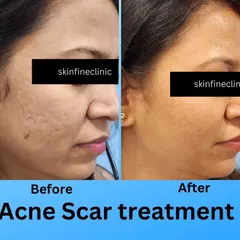
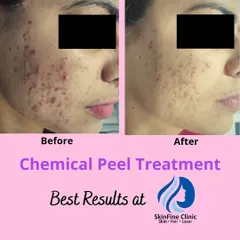
Effective Acne and Scar Treatment in Noida
Science-Backed Acne & Scar Solutions
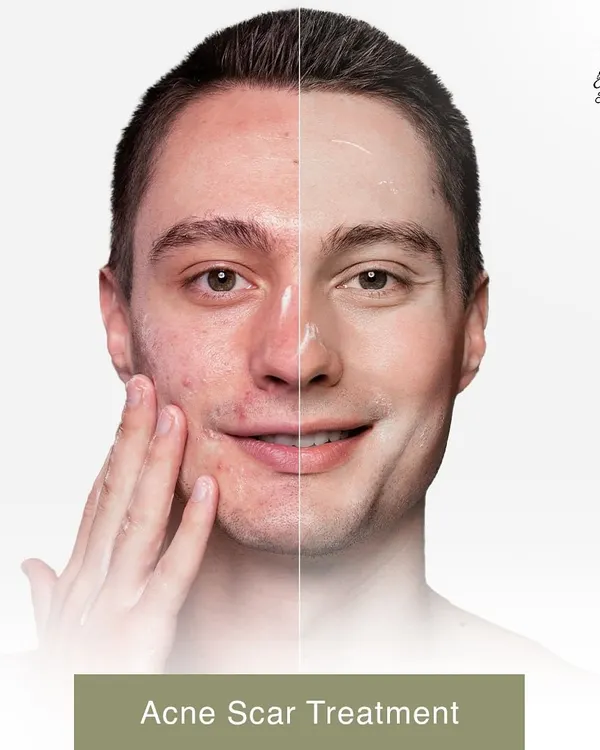 13
13
Acne, Pores, and Scar Treatments in Gurugram
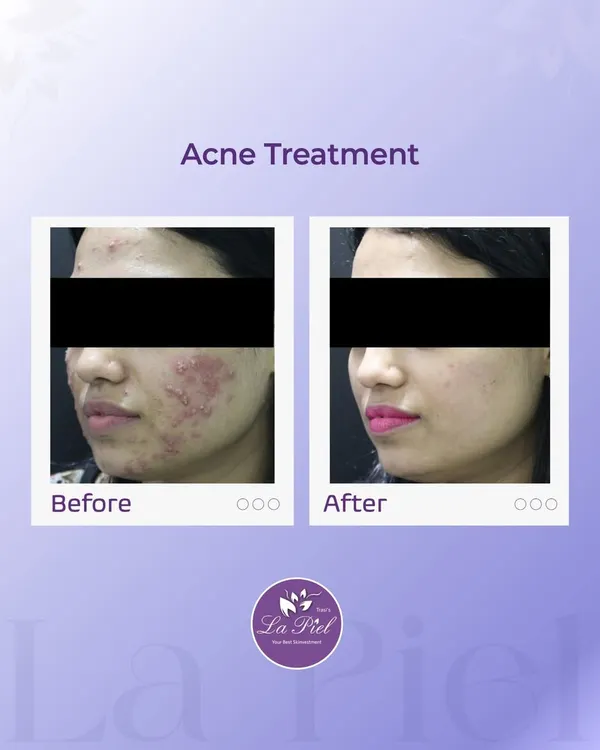 8
8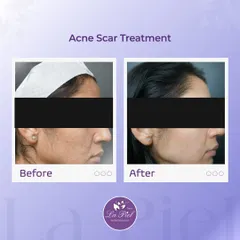
Acne and Scar Treatment Results
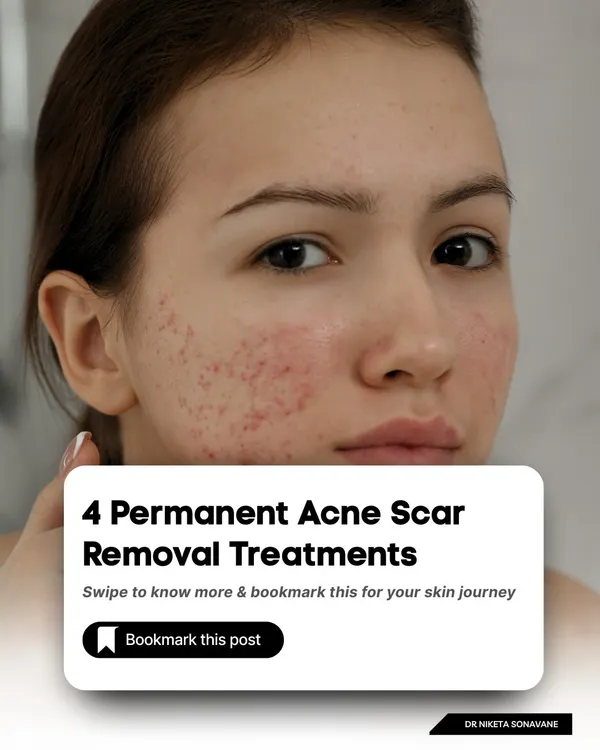 9
9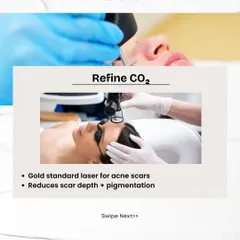
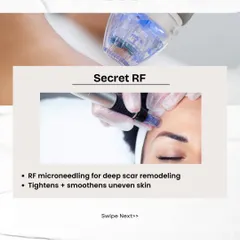

Advanced Solutions for Acne and Scars
Acne, Scar and Pigmentation Treatments
More from Medical Dermatology by Malavika Kohli
More services by Malavika Kohli