It's Never Too Late: Training for Adult Dogs
Forget the 'old dog, new tricks' myth. Whether your dog is a rescue or a senior, my balanced training approach helps you tackle behavioral issues and build a real connection.
This three-year-old poodle is proof that adult dogs can not only learn but excel. We took everyone by 'shik-shak-shok' with how quickly he picked up new commands and behaviors.
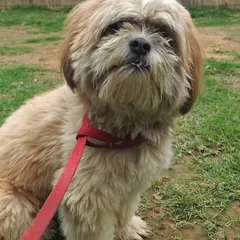
Poppy was a nervous and fearful 10-month-old Shih Tzu who was scared to even go on walks. After two months of behavior modification training, she's a completely new, confident dog who has mastered a whole list of commands.
Rainy days don't mean you have to deal with a hyper dog. Indoor obedience sessions are a great way to burn off mental and physical energy, just like we're doing here with Cinnamon, a two-year-old Cocker Spaniel who had no prior training.
About It's Never Too Late: Adult Dog Training
The biggest mistake I see? People thinking their adult dog is 'too set in their ways' to change. It’s rarely about the dog’s age and usually about the human-dog communication gap. When you work with me, I’m not just fixing your dog’s leash pulling or reactivity; I am teaching you how to read their body language and lead with confidence, so you don't need a trainer by your side for every walk.
Adult dog training requires a different approach than puppy foundation work. While a puppy is a blank slate, an adult dog comes with history, habits, and, sometimes, emotional baggage. My Adult Behavior Modification program is built on balanced training—using clear, fair boundaries rather than punishment. We don't just work in your living room. To get real results, we take sessions into the real world—elevators, crowded markets, and parks—where your dog actually needs to perform.
Why Adult Dogs Can Learn
It is a total myth that older dogs are harder to train. In fact, adult dogs often have better focus and impulse control than puppies. Whether we are dealing with separation anxiety, jumping on guests, or reactivity toward other dogs, my goal is to get to the root cause.
How We Work
- Assessment: Every program starts with an in-person consultation to identify if behaviors stem from fear, dominance, or just confusion.
- The 'Why': We address why your dog is barking or lunging, not just stopping the noise.
- Owner Coaching: This is the most critical part. You will learn to use markers, collar pressure, and your own body language to guide your dog. If you don't know how to follow through, your dog will only listen when I am standing right next to you.
From rescues finding their feet to dogs who just need better manners, I have seen it all. If you are tired of the 'trainer ke saath toh karta hai, hamare saath nahi karta' loop, it’s time to stop training and start communicating. Yeh life hai bhidu.
Similar work from other experts
Browse through Curated picks from other experts on mytribe
Aggressive and Reactive Dog Behavior Modification
Professional Dog Behavior Training & Breed Handling
Force-Free Dog Training: Partnership Over Performance
Positive Dog Training Approach & Results
My Training Philosophy: Building a Lasting Bond
My Training Philosophy: No Shortcuts
More from Dog Obedience Training by Priyanka T
More services by Priyanka T