Aggressive and Reactive Dog Behavior Modification
I don't sugarcoat behavior issues. Whether it is severe reactivity, bite history, or deep-seated anxiety, I work with you to rebuild trust and restore calm through structured, balanced rehabilitation.
This is Cheeku, a 4-year-old Lhasa Apso who joined my Board & Train program. Don't let his size fool you; he came with a history of biting due to fear and reactivity. My first goal is always to build confidence and manage triggers before moving to obedience.
Training a dog like Cheeko isn’t about commands, it’s about connection. When a dog arrives with fear and mistrust, my first job is to bond and become a safe space. Only when a dog trusts can they truly learn. This picture captures that moment of belief.
Here's a look at how I handle dog-to-dog reactivity. Theo, who has a bite history, is learning to stay calm around another dog. I start by building solid obedience and then gradually decrease the distance, ensuring the situation is always controlled and positive.
This is Cooper, a Golden Retriever, learning to ignore other dogs and focus on his handler. Through careful desensitization training, we are turning his reactivity into relaxation. It's a process of changing the dog's emotional response, not just suppressing behavior.
Bruno, a 4-year-old Goldendoodle, is making incredible progress with his dog-to-dog reactivity after just five sessions. We are working on building his confidence and teaching him that other dogs are not a threat.
This is 5-month-old puppy Nico, who came to me with genetic behavioral issues. My Board & Train program is designed to address these deep-rooted problems from a young age, setting him up for a more stable future.
An update on Nico's progress. After adjusting to the new environment, we started obedience and desensitization. Almost everything can be a trigger for a dog with genetic aggression, so we work in short, successful sessions to build his confidence.
This was Nico's first socialization session. As you can see, his instinct was to growl and snap. I brought in my stable dog, Solan, to help. Solan's calm presence showed Nico he wasn't a threat, and you can see the shift from fear to curiosity.
Meet Honey, a rescued Indie dog who joined my Board & Train program to work through her anxiety. My goal is to create a structured environment where she can learn to feel safe and build the confidence she needs to thrive.
Jade, a 3-year-old Pakistani Bully, was abandoned and rescued. He came to me for training to overcome the trauma from his past. He is learning to trust people again and is currently up for adoption.
About Behavior Modification: From Chaos to Calm
When a dog arrives at my facility in Gurugram with a bite history, the last thing I do is start drilling commands. I start with decompression and trust building, just like I did with Cheeku, a Lhasa Apso whose aggression stemmed from fear. We work on the environment first, managing triggers and building confidence, before we ever ask for obedience. If your dog is reactive, pulling on the leash, or guarding resources, the problem is often a lack of structure. I do not offer quick fixes, but I do offer a clear, professional path to a balanced life for your dog.
My Approach to Rehabilitation
I treat every case based on the individual dog, not a manual. Whether it is an Indie like Nico with genetic aggression or a Golden Retriever like Cooper suffering from reactivity, the methodology remains the same: I build a safe space, establish leadership, and then desensitize to triggers.
Why Board & Train?
My residential program at Sector 62, Gurugram, is immersive. Your dog lives in a structured environment with my balanced pack. This is crucial for dogs with severe issues because it removes them from the chaotic environment where they have practiced unwanted behaviors. Here, they get 3-4 high-intensity training sessions daily, focusing on impulse control, crate manners, and confidence.
It Is About You, Too
I train the dog, but my job is only half done if I don't train the owner. The mandatory handover sessions are where the real work happens. I teach you how to handle the leash, how to read your dog's body language, and how to maintain the boundaries we set. If you cannot maintain the rules at home, the behavior will return. My goal is to equip you with the skills to keep your dog stable for life.
We Manage, We Don't Cure Genetics
Some dogs have genetic behavioral issues, and I will be the first to tell you that these cannot be 'cured.' However, they can be managed. I have worked with cases like Tiger, who had deep-seated aggression. We did not change his genetics, but we built a framework of control so his owners could live without fear.
Common issues I handle:
- Dog-to-dog and human aggression
- Resource guarding
- Severe leash reactivity
- Separation anxiety and excessive barking
Similar work from other experts
Browse through Curated picks from other experts on mytribe
 20
20
Behavior Modification for Dogs With Serious Challenges
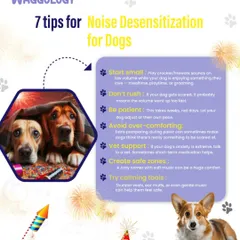

Overcoming Your Dog's Anxiety and Fearful Behavior
Aggressive Dog Behavior Rehabilitation & Control
Aggression & Anxiety: Handling the Tough Stuff
Help Your Reactive Dog Find Calm and Confidence
Board and Train for Reactive Dogs
More from Dog Training & Behavior Modification by Varun Anand
More services by Varun Anand