Using Props for Alignment and Yoga Precision
Props are essential tools for learning and deepening your practice, not just for beginners. We use chairs, blocks, and straps to help you maintain correct form and access poses safely.
Students using chairs to support them in a modified Virabhadrasana I (Warrior I). This allows them to focus on lifting the chest and arching the upper back without straining the legs.
Utthita Hasta Padangusthasana (Extended Hand-to-Big-Toe Pose) practiced with a chair. The chair provides stability, allowing students to work on hamstring flexibility and balance.
A class using straps in Supta Padangusthasana (Reclining Hand-to-Big-Toe Pose). The strap helps to extend the hamstring stretch without straining the lower back.
Students using chairs to practice a supported variation of Dwi Pada Viparita Dandasana. This makes the advanced backbend more accessible and helps open the thoracic spine.
The use of a bolster in Upavistha Konasana (Wide-Angled Seated Forward Bend). The bolster supports the torso, allowing for a more restorative and passive release of the hips and hamstrings.
An instructor assists students in a supported leg-stretching pose. Using blocks under the back provides stability and allows for a deeper, more controlled stretch.
Students practicing Sarvangasana (Shoulder Stand) with the support of blocks. This modification helps protect the neck and teaches the correct alignment of the shoulders and hips.
A class using chairs to practice a supported lunge variation. This is an excellent way to open the hip flexors and work on back extension with stability.
Students practicing a variation of Natarajasana (Dancer's Pose) with a chair. The chair provides balance support, so they can focus on the backbend and hip opening aspects of the pose.
About Props for Precision & Support
Many students view props as a crutch, but they are actually precision instruments. When you use a strap in a seated forward fold or a chair to support a backbend, you allow the muscles to release fully without straining your joints. This approach helps you learn the geometry of the pose, ensuring that you are working on alignment rather than just fighting for depth.
Why We Use Props
In traditional Hatha and Ashtanga, the goal is to stabilize the body so the mind can focus on the breath. Props are not a shortcut; they are an extension of your reach. They allow you to maintain the integrity of a posture even when your current flexibility limits your range of motion. By bridging this gap, props help you avoid compensatory patterns that lead to injury.
The Geometry of the Pose
In our Sector 45 studio, we use specific tools for specific outcomes:
- Chairs: Essential for stabilizing the hips in standing poses or supporting the thoracic spine in backbends like Dwi Pada Viparita Dandasana.
- Blocks: We use these to elevate the floor or stabilize the sacrum in inversions like Sarvangasana, which protects the cervical spine and improves posture.
- Straps: Used to extend the reach in hamstring stretches, ensuring the lower back remains neutral rather than rounding.
Building a Self-Practice
Training is about understanding your body's mechanics. When you learn to use these tools properly under guidance, you can replicate this safety and precision in your own practice. My teaching focuses on Abhyasa (consistent, disciplined practice). Whether you are a beginner or a teacher training student, the knowledge of how to modify a pose is the foundation of a long-term practice.
Similar work from other experts
Browse through Curated picks from other experts on mytribe
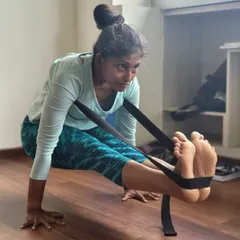
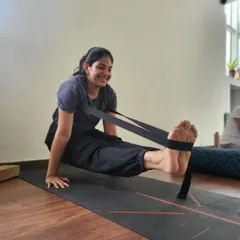
The Art of Alignment: Precision Yoga with Props
Precise Asana Practice with Props in Saket
Supported Yoga Alignment with Props in Delhi
Yoga with Props and Personalized Alignment
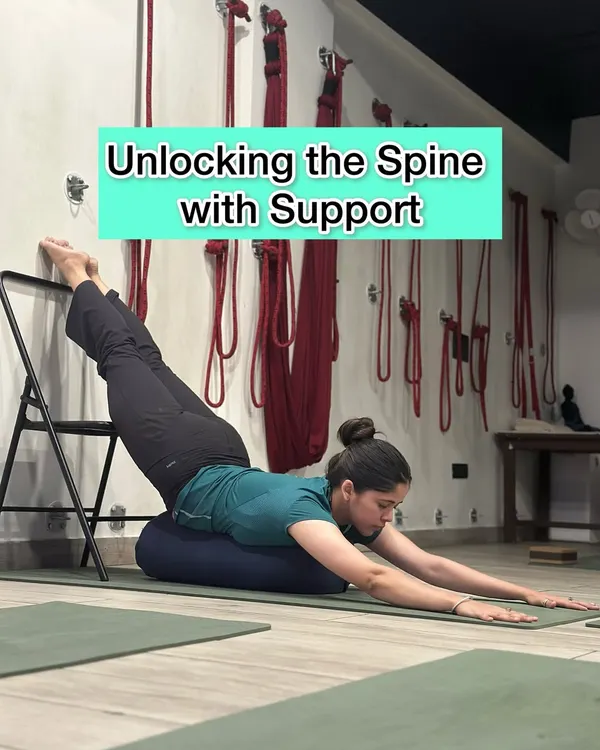 22
22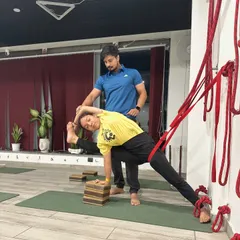
Iyengar Yoga with Props: Precision and Alignment
Yoga with Props: The Wall, Ropes & More
More from Yoga Teacher Training Course (YTTC) by Devender Bhardwaj
More services by Devender Bhardwaj