Understanding Chronic Pain and Mobility Issues
Pain is often a signal from your body that something is out of balance. We break down the science behind conditions like sciatica and trapezitis to help you identify the root cause and understand your path to recovery.
In this detailed video, our physiotherapist Dr. Malika explains Trapezitis, a common condition causing neck and shoulder pain. She discusses its causes, symptoms, and simple home remedies, demonstrating our commitment to patient education.
This guide gives you a complete overview of Sciatica, a condition causing pain that radiates down the leg. We specialize in holistic Ayurvedic treatments to relieve nerve compression and restore mobility without side effects.
In Ayurveda, Sciatica is known as "Gridhrasi" and is caused by an imbalance of Vata and Kapha Dosha. This imbalance leads to nerve compression and the characteristic pain that radiates from the lower back to the legs.
Recognizing the symptoms of Sciatica is key to getting the right treatment. These include pain radiating from the lower back to the toe, a tingling sensation, numbness, and muscle weakness in the affected leg.
According to Ayurveda, the causes of Sciatica include Vata aggravation from factors like cold exposure or injury, and the accumulation of toxins (Ama) from poor digestion. A sedentary lifestyle also contributes by weakening muscles and joints.
About Understanding Your Condition
When you feel chronic stiffness, the culprit is often a combination of muscle knots and nerve compression that simple rest cannot fix. Whether it is trapezitis from long hours at your desk or sciatica radiating from your lower back, we identify the root cause through a physical assessment and create a tailored exercise protocol that you can perform safely at home.
The Science Behind Your Pain
Many patients we treat for neck or lower back pain struggle because they view their discomfort as a surface-level issue. In reality, conditions like Trapezitis or Sciatica (known as Gridhrasi in Ayurveda) are often the result of prolonged postural stress or systemic imbalances.
Why Home Assessment Matters
When you book an assessment, our therapists do not just look at the site of the pain. They analyze how you move, breathe, and carry yourself during your daily activities. For example, if you are experiencing trapezitis, we examine your shoulder girdle mobility and cervical posture to see if trigger points have developed due to prolonged overhead work or computer use. By catching these knots early, we can prevent long-term damage.
The Dual Approach
We combine modern physiotherapy with Ayurvedic principles to provide relief.
- For Sciatica (Gridhrasi): We look for Vata aggravation, often caused by cold exposure or poor digestion, alongside physical nerve compression. Our treatment focuses on reducing inflammation and restoring mobility.
- For Trapezitis: We use manual mobilization and heat therapy to release metabolic waste trapped in the trapezius muscle fibers.
Our goal is to give you the tools to manage your own health. We provide digital or verbal instructions on the specific stretches and movements required to maintain your progress between our visits. You do not need to endure the inconvenience of a clinic commute to get expert care for these conditions; we bring the clinical expertise and the necessary portable equipment to your living room.
Similar work from other experts
Browse through Curated picks from other experts on mytribe
 14
14

Understanding Your Pain: Physiotherapy Insights & Guides
Relief for Neck, Back Pain and Sciatica in Delhi
 7
7

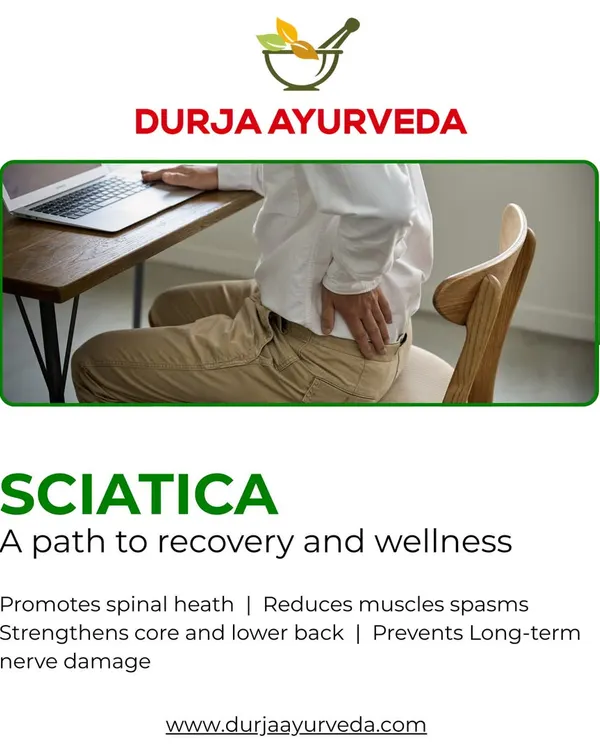
Understanding Pain and Our Healing Techniques
 6
6
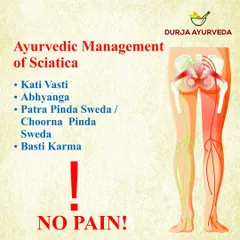

Ayurvedic Sciatica Pain Treatment
 13
13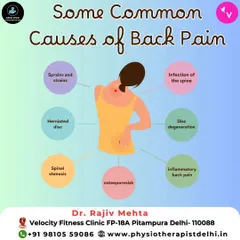

Understanding Your Pain: Identifying Root Causes
Yoga Therapy for Chronic Pain and Relief
More from Home Physiotherapy by Ayursh