Natural Skincare Education: Decoding Your Product Labels
I believe you deserve to know exactly what goes onto your skin. Let me guide you through understanding ingredient labels, avoiding synthetic preservatives, and making the switch to clean, farm-grown beauty.
How to spot parabens on an ingredient label. Look for prefixes like methyl-, ethyl-, and propyl-, and be wary of vague terms like "fragrance" or "preservative blend."
What are parabens? They are synthetic preservatives used since the 1920s to prevent mold and bacteria in cosmetics and processed foods.
This series answers the question: What are parabens and should you use them? Swipe to learn more about these common preservatives.
What is the world doing about parabens? The EU and Southeast Asia have banned them in personal care products, but they are still allowed in many places.
Let's talk about the truth about parabens. Are they harmful? How do you check for paraben-free products? We answer these questions and more.
How do parabens affect you? They can mimic estrogen, potentially causing hormonal imbalances and other health risks. This is why we choose to be paraben-free.
Our brand logo, representing our commitment to the earth and the balance that nature achieves through centuries of evolution.
A beautiful flat lay of some of our natural products, including our Honey Lemonade soap, Turmeric Milk soap, Rose Water toner, and Aloe Vera gel.
Don't be fooled by a low price tag. This image compares a cheap, chemical-filled product with our pure, natural, and multi-purpose rose water.
The results of using natural ingredients speak for themselves. Achieving happy, healthy skin is priceless.
About Additional Media
Reading an ingredient label often feels like trying to decipher a secret code. When you see names like methylparaben, ethylparaben, or vague terms like 'fragrance,' it is a sign to pause and rethink. I have compiled these guides to show you exactly how to compare a generic store-bought bottle with the pure, farm-grown alternatives I craft in our batches, so you can make informed decisions for your family.
Why I Focus on Education
When I left my IT career to start Arthlings, I wasn't just building a brand. I was on a mission to understand what we were putting on our skin. My research led me to study ancient Ayurvedic texts and modern chemical safety, and I realized that transparency is the biggest gap in the skincare industry. These resources are designed to bridge that gap for you.
The Paraben Reality
Many conventional skincare products use parabens as synthetic preservatives. They are cheap and effective at preventing mold, but they come with trade-offs. I explain in these guides how these chemicals can mimic estrogen and why many global markets have already moved to restrict them. You don't have to be a chemist to protect your health. I show you the simple 'prefix' trick on back-of-bottle labels so you can spot these additives in seconds.
Farm-to-Face vs. Mass Production
It is easy to be fooled by a low price tag, but true value is about what is inside the bottle. Whether it is our rose water, which is steam-distilled using the traditional Deg Bhapka method, or our cold-process soaps cured for weeks, our methods are slower by design. We prioritize nutrient retention over mass production. When you look at our ingredient lists, you will see singular, recognizable sources like 'Steam Distillate of Organic Rosa Damascena' rather than a long, unpronounceable chemical chain. My goal is to help you feel confident that you are choosing products that are safe, effective, and truly natural.
Similar work from other experts
Browse through Curated picks from other experts on mytribe
 13
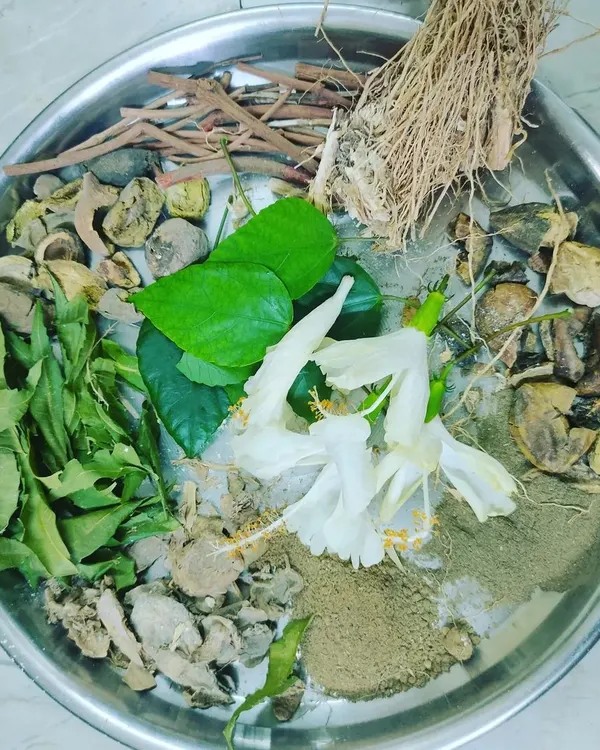
13Behind the Scenes: From My Kitchen to You
 19
19
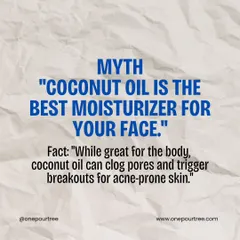
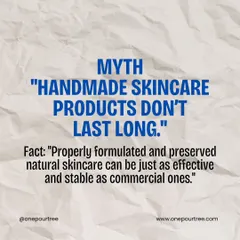
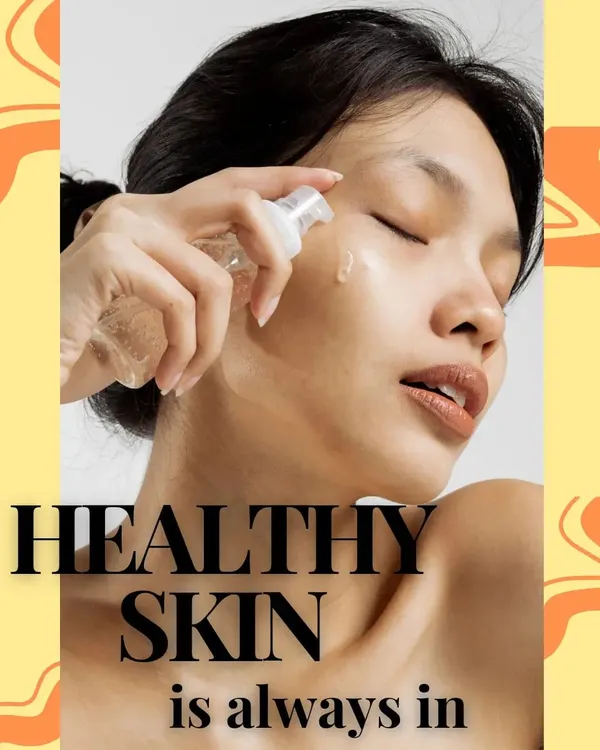
Skincare Simplified: Honest tips for healthy skin
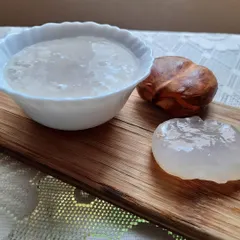
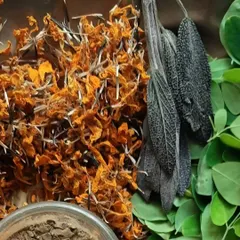
Nature’s Pantry: Real Ingredients for Your Skin
Behind the Scenes of My Handmade Skincare Process
 12
12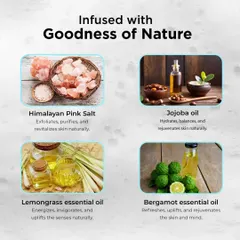
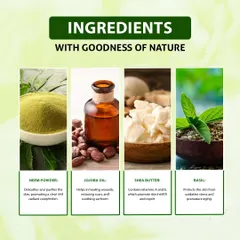
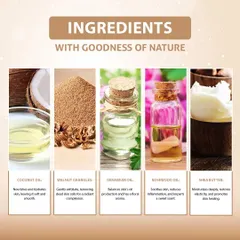
Handcrafted Skincare Rooted in Nature’s Goodness
 20
20
Behind the Scenes of My Handmade Skincare
More from Natural & Organic Skincare by Arthlings
More services by Arthlings