Effective Solutions for Pigmentation and Uneven Skin Tone
Pigmentation doesn't disappear overnight, but with the right, science-backed approach, you can manage it safely. Let’s look at how we can treat dark spots and uneven tone without the harsh side effects of viral trends.
Glutathione is often called a holy grail for pigmentation, but does it work? I explain the science, busting the myth about topical creams and detailing the correct way to use it as a supplement or injection for visible results.
Many "skin brightening" creams contain harmful steroids that can damage your skin. I show you which products to avoid and recommend safe, effective alternatives with ingredients that promote a healthy, long-lasting glow.
Tanning can happen even in winter due to sun exposure and dry, compromised skin barriers. I explain how to deal with winter tanning by using a high SPF sunscreen, repairing the skin barrier with the right ingredients, and locking in moisture.
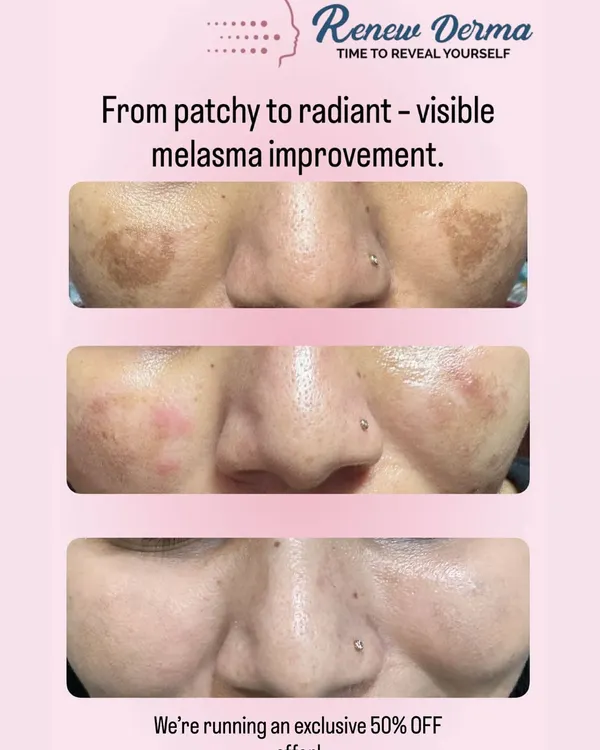
Treating melasma requires patience and avoiding common mistakes. I outline five things melasma patients should never do, like scrubbing the skin or using over the counter steroids, to prevent making the condition worse.
Darkness around the mouth is a frequent complaint with several causes, from toothpaste allergies to hormonal issues. I break down the reasons and suggest a gentle starting routine with AHA-based cleansers and arbutin.
Dark spots from acne or injury can be frustrating. I share a simple three-step process to reduce them: moisturize, use a de-tanning sunscreen, and apply a niacinamide serum. I also list the DIY remedies you should absolutely avoid.
A dark neck is not dirt and shouldn't be scrubbed. It can be a sign of a medical condition called Acanthosis Nigricans. I explain what to look for, the importance of consulting a doctor, and which topical treatments can help.
About Tackling Pigmentation & Uneven Tone
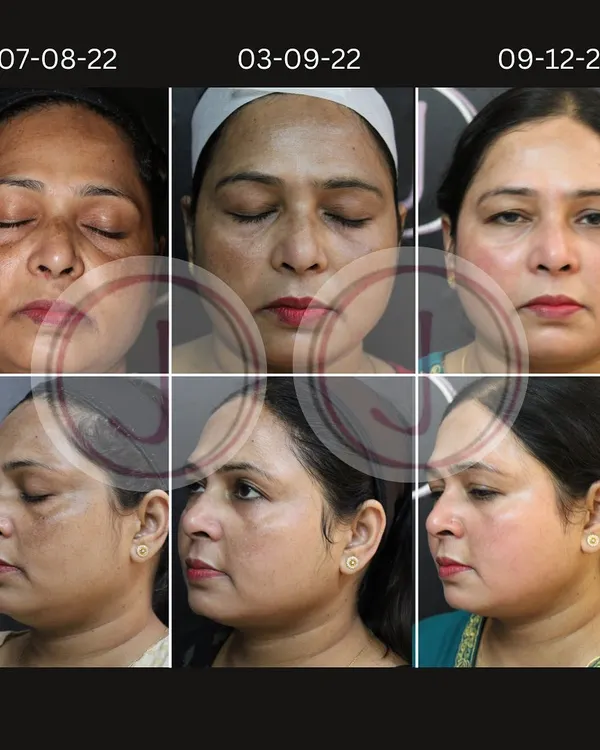
Stop treating pigmentation like it's just dirt on your face. Using scrubs, bleaching agents, or over-the-counter steroid creams to lighten dark spots is a common mistake that actually damages your skin barrier and makes the pigmentation worse in the long run. Real improvement for melasma and dark patches requires a shift to proven ingredients like arbutin, niacinamide, and dedicated sun protection, not harsh DIYs.
Why Your Current Treatment Might Be Failing
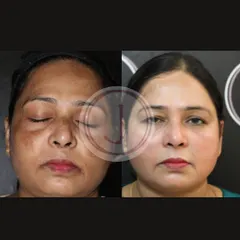
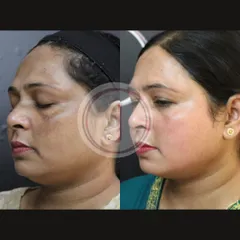
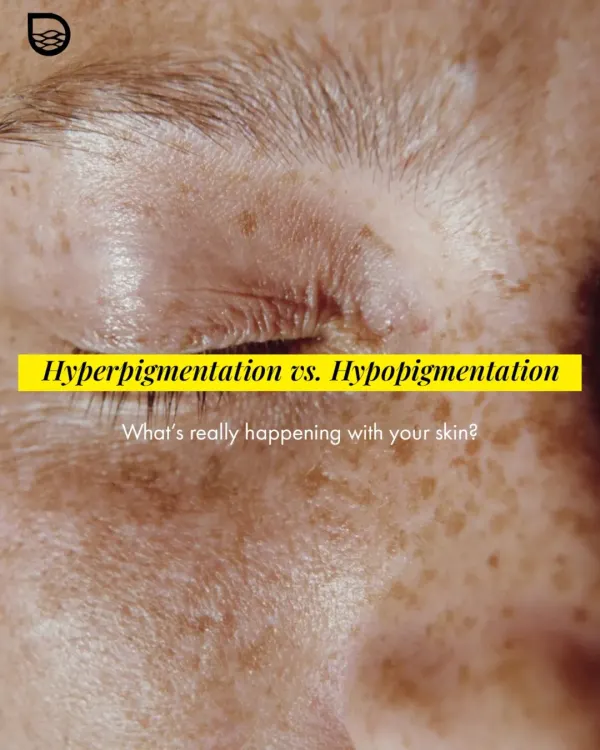
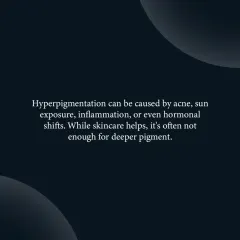
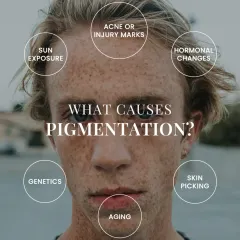
Many patients come to me feeling defeated because they've tried every product on their social media feed. If your skin isn't responding, it's often because the routine is fighting your skin's biology rather than supporting it. Melasma and post-acne marks are not just surface issues; they are deep-seated reactions often triggered by sun exposure, hormonal changes, and a compromised skin barrier.
The Science of Clearing Pigmentation
We need to focus on three core pillars to see real change:
- Barrier Protection: If your skin barrier is broken, nothing will work. We prioritize simple, gentle hydration using ceramides and sensitive-skin-friendly moisturizers.
- Targeted Actives: Instead of risky skin-lightening creams, we use evidence-based actives like arbutin, kojic acid, and niacinamide to regulate melanin production and increase turnover.
- Non-Negotiable Sunscreen: Sunlight is the primary enemy of fading pigmentation. A high-SPF, de-tan sunscreen is the foundation of any routine.
Realistic Expectations
Melasma ek din mein aaya nahi hai, ek din mein jaayega nahi (Melasma didn't appear in a day, it won't go away in a day). Be prepared for a journey of 8 to 12 weeks. Consistency is the only shortcut that actually works. We'll identify the root cause—whether it’s hormonal, inflammatory, or lifestyle-related—and build a regimen that clears your skin without the drama of fads and scams.
Similar work from other experts
Browse through Curated picks from other experts on mytribe
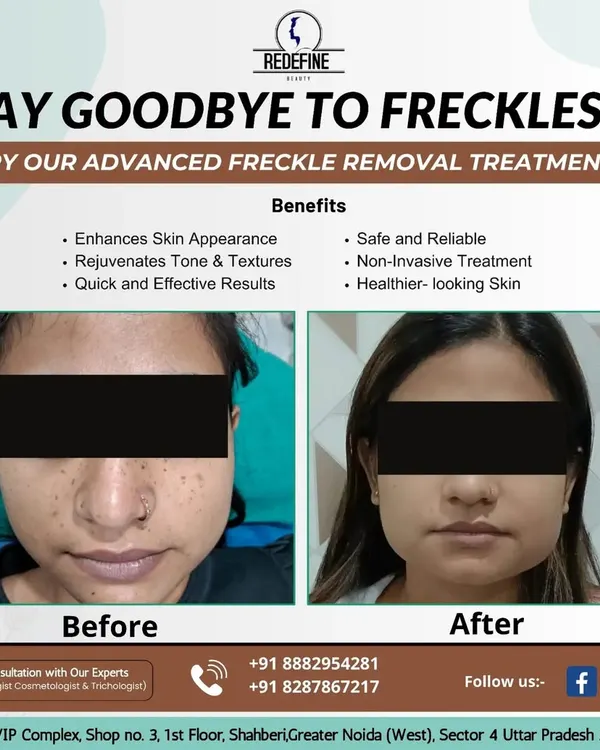 4
4
Effective Solutions for Pigmentation and Uneven Skin Tone



Advanced Pigmentation and Tan Removal Treatments
Pigmentation & Skin Brightening Treatments
 7
7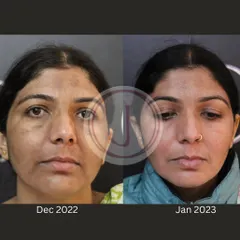
Treating Pigmentation and Dark Spots
 7
7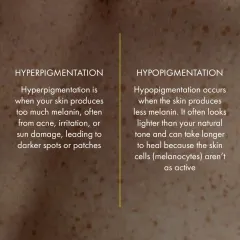
Pigmentation & Uneven Tone Treatment
 9
9Pigmentation & Brightening Treatments in Lajpat Nagar
More from Personalized Skin Health Consultation by Nidhi Gupta
More services by Nidhi Gupta