Science-Based Hair Loss and Scalp Treatments
Stop guessing with oils and home remedies. I use a diagnostic, scientific approach to identify the root cause of your hair loss and create a personalized plan to restore your scalp health.
Treating androgenetic alopecia, or patterned hair loss, requires a multi-faceted medical approach. I explain the mainstay treatments, including prescription medications like minoxidil and finasteride, procedural options like PRP and GFC, and hair transplants for later stages.
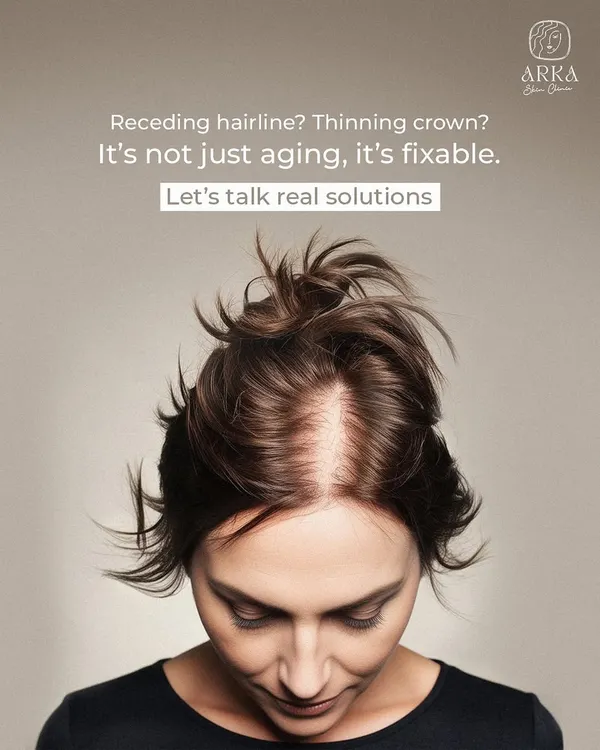
Androgenetic alopecia is a genetically determined condition that causes predictable, patterned hair loss in both men and women. I break down what it is, explaining how it leads to hairline recession and thinning due to hormonal factors.
For those dealing with hair fall, it's important to understand the science behind effective treatments. I discuss powerful ingredients like Capixyl and Procapil, which help strengthen hair and improve scalp circulation, as part of a holistic approach that includes diet and lifestyle.
As a dermatologist and a mother, I know the importance of hair health from a young age. While braids are a beautiful hairstyle, it's crucial to ensure they aren't too tight to prevent traction alopecia, a form of permanent hair loss caused by tension on the hairline.
While anti-dandruff shampoos are effective, they are medicated and not meant for daily use. Overusing them can strip your scalp of natural oils and lead to irritation or even resistance. I recommend using them two to three times a week for a healthy scalp balance.
Proper application is key to getting the best results from your prescribed scalp solutions. This quick demonstration shows the correct technique: apply directly to a clean, dry scalp, massage gently, and allow it to absorb for at least four hours.
Many people worry about hair fall, but do you know what a normal amount looks like? Losing up to 100 hairs a day is typical. This image shows a ball of approximately 100 medium-length hairs, helping to set a realistic baseline for daily shedding.
This is another visual representation of about 100 hairs, which is considered a normal amount of daily hair loss for a person with an average head of hair. Understanding this can help you differentiate between normal shedding and excessive hair fall that needs attention.
To give you a clear perspective, here are 100 hairs spread across my hand. If your daily hair loss is significantly more than this, it's time to consult a dermatologist to diagnose the underlying cause instead of relying on temporary, non-medical remedies.
This pile on the floor represents a normal day's worth of hair shedding, approximately 100 strands. It's important to normalize this natural process. However, consistent and excessive loss beyond this amount warrants a professional evaluation.
About Hair Loss & Scalp Treatments
If you are seeing more than 100 strands in your comb daily, stop wasting time on oils and homemade pastes. Hair loss is rarely solved by topical applications alone; it often requires a medical diagnosis to identify if the issue is hormonal, genetic, or related to lifestyle. I invite you to come in for a thorough evaluation, where we can determine if you need GFC therapy, targeted medication, or simply a correction in your current hair care routine.
Understanding Your Hair Cycle
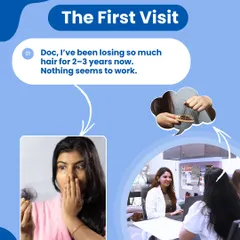
Many patients come to me panicked about shedding, not realizing that losing up to 100 hairs a day is biologically normal. However, if your hairline is receding or you notice persistent thinning, you are likely dealing with something more specific, such as Androgenetic Alopecia. My process begins by looking past the symptoms to the root cause, mapping your hormonal history, and analyzing follicle health with a dermoscope.
Why Common Fixes Often Fail
Too many people fall into the trap of daily anti-dandruff shampoos or heavy oiling. These often strip your scalp of natural oils, leading to irritation or even resistance. If you have a scalp condition, medicated shampoos should be used strategically—usually twice or thrice a week—not as a daily habit. If you have been using home remedies for months without change, it is time to switch to evidence-based interventions.
My Treatment Approach
When we identify that clinical intervention is necessary, I do not believe in one-size-fits-all. My focus is on safe, effective, and science-backed protocols:
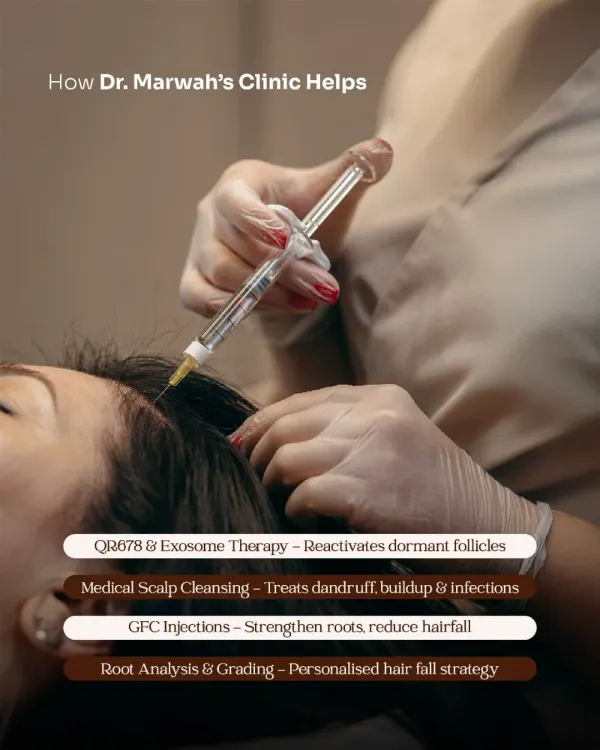
- GFC (Growth Factor Concentrate): We use a patient’s own blood to extract concentrated growth factors, which are then injected into thinning areas to stimulate hair roots.
- Mesotherapy: This technique delivers targeted nutrients directly into the scalp to improve circulation and follicle health.
- Prescription Management: For many, the mainstay of treatment involves regulated dosages of ingredients like minoxidil or finasteride, always monitored by me to ensure efficacy.
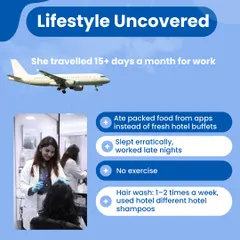
- Lifestyle & Nutrition: Because skin and hair health are interconnected, we also look at your protein intake, iron levels, and stress markers.
My clinic in Vikhroli is designed to be a place where you feel comfortable asking questions. Whether it is traction alopecia from tight braiding or a complex hormonal issue, we will map out a treatment roadmap that you can actually stick to.
Similar work from other experts
Browse through Curated picks from other experts on mytribe
The Science of Healthy Hair & Regrowth Treatments

Advanced Hair Regrowth Treatments and Scalp Care
 8
8

Advanced Non-Surgical Hair Restoration Treatments


My Evidence-Based Approach to Hair Loss Treatment
 5
5Hair Fall & Scalp Health Solutions
 16
16
Hair Loss & Scalp Health Solutions
More from Medical Dermatology by Radhika Kopikar
More services by Radhika Kopikar