Mastering the Art of Public Speaking: A Practical Toolkit
Great speaking is not about being perfect. It is about connection. These are the practical techniques I use to turn anxiety into confidence and ensure your message actually lands.
Shah Rukh Khan's famous speech in "Chak De India" is a masterclass in motivational speaking. In this analysis, I break down how he uses passion, pauses, and emotional connection to inspire his team. I teach you how to channel that same energy to turn your presentations into memorable stories that leave a lasting impact.
Humor is about more than just telling jokes; it is about delivery and timing. Using Hugh Grant as an example of masterful comic timing, this video explains how to use pauses to let a punchline land effectively. This simple trick can make your communication more engaging and help you build a stronger connection with your audience.
A common question I get is how I memorize my lines for a long event. This video breaks down my three-step process: repeated reading, breaking the script into bite-sized chunks, and using visualization to create a mental picture for each section. This structured approach helps you deliver your content smoothly without sounding robotic.
The Memory Palace is an ancient and powerful mnemonic technique for memorizing a speech without notes. I explain how to associate parts of your speech with specific locations in a familiar place, like your home. This method leverages your brain's strong spatial memory, allowing you to recall your points effortlessly and confidently.
My journey to becoming a better speaker began when I learned how to truly listen. In this video, I share how my early days in theater taught me the importance of active listening, a skill I had overlooked as an MC. This is part one of a series on how listening is the foundation of great communication.
This clip reveals the secret to improved communication: the superpower of active listening. I provide practical tips for one on one conversations, such as using eye contact and asking open ended questions to show you are engaged. Summarizing what you hear is another key technique for ensuring clarity and understanding.
To instantly build trust with your audience, you can practice a technique called mirroring. This video explains how to subtly reflect your audience's energy, posture, or tone to create a sense of familiarity and connection. It is a powerful non-verbal way of saying "I understand you" before you have even said a word.
Drawing on the timeless wisdom of Dale Carnegie, this video explores the most important rule of connection: thinking like your audience. I explain how to tailor your language, share relatable examples, and use rhetorical questions to speak to their perspective. This turns your speech from a monologue into a dialogue, which is the secret to captivating any audience.
A sharp, witty comeback, or repartee, can be an incredibly effective tool in communication. Using a famous story about Muhammad Ali, I explain how wit can demonstrate intelligence and the ability to think on your feet. Learning to use humor and quick thinking wisely is a skill that can turn a simple conversation into a legendary one.
About The Speaker's Toolkit: Practical Techniques
Most people think speaking is a talent you are born with, but it is actually a collection of habits you can build. Whether you are prepping for a corporate presentation or a personal toast, the goal is not to deliver a flawless performance, but to be authentic enough that your audience listens. I focus on specific mechanics. How to use pauses for humor, how to structure a speech using a mental palace, and how to use body language to mirror your audience. These are not abstract theories. They are the exact techniques I use on stage at global summits.
How We Build Your Voice
Public speaking is rarely about the words on the page. It is about how you inhabit those words. My approach breaks down communication into three core pillars:
- Mindset and Anxiety: We start by flipping the script on stage fright. Growing up with dyslexia, I learned that anxiety is just unspent energy. We use mindfulness and NLP to ground you before you even step up to the mic.
- Technical Mechanics: This is where we get practical. We look at:
- The Memory Palace: An ancient technique that turns your speech into a mental walk-through, removing the need for robotic memorization.
- Pause and Timing: Taking a cue from master communicators, we learn that the silence between your sentences is where the audience actually connects with your message.
- Active Listening: Great speakers are actually great listeners. I teach you how to read the room and mirror your audience's energy so you are not just broadcasting, but conversing.
Why This Approach Works
Whether you are a student or a corporate leader, the struggle is usually the same: Log kya kahenge? (What will people say?). We stop worrying about perfection and start focusing on impact.
My coaching is based on real-world experience, not textbooks. Having hosted G20 summits and worked with diverse brands, I understand that the same principles apply whether you are talking to a head of state or your own team. We will not work on making you a speaker. We will work on removing the barriers that are stopping your natural voice from coming through.
Similar work from other experts
Browse through Curated picks from other experts on mytribe
Actionable Public Speaking Tips to Command Any Room
Public Speaking and Stage Confidence Coaching
Mastering Presentation Skills: A Proven Step-by-Step Guide
Public Speaking and Confidence Coaching with Theatre Techniques

Mastering Executive Presence and Body Language
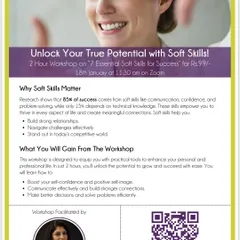
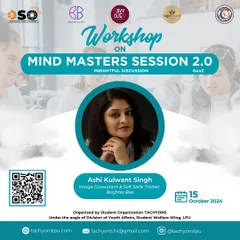
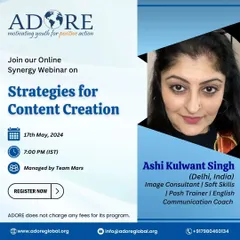
Workshops & Public Speaking: Soft Skills & Personal Branding
More from Public Speaking Coaching by Ashwarya Singh
More services by Ashwarya Singh