Handling Difficult Partners in Family Law
Personal disputes often complicate legal proceedings. Learn to identify toxic behavior, set clear boundaries, and protect your legal position in court.
Recognizing a narcissistic personality is the first step to protecting yourself. I discuss two key traits: they never admit their own mistakes and always shift the blame onto you, and they have an inflated ego, always believing they are right.
Dealing with a narcissistic person requires setting firm boundaries. I explain that you must establish a limit and be prepared to show your strength if they cross it. These individuals often hide their true nature from their own family and only reveal it to their life partner.
Dealing with a narcissistic person requires setting firm boundaries. I explain that you must establish a limit and be prepared to show your strength if they cross it. These individuals often hide their true nature from their own family and only reveal it to their life partner.
A narcissistic parent can be destructive to their own family, even their children. I warn that such individuals will not hesitate to ruin their child's future or career to satisfy their own ego. Do not expect them to act in your best interest.
About Understanding and Handling Difficult Partners
One common mistake is expecting a difficult or narcissistic partner to admit fault during mediation. They rarely do. Instead of arguing, focus on documenting their behavior—chats, recordings, and inconsistent statements. This evidence is critical when you need to demonstrate the reality of the situation to the court, rather than just relying on your word against theirs.
Identifying the Pattern
Legal battles involving a partner with narcissistic traits are rarely just about the law; they are often about manipulation. You need to realize that their behavior—blame-shifting, refusal to acknowledge mistakes, or creating emotional turmoil—is not random. It is a strategy to drain your energy and provoke an emotional reaction that can be used against you later.
The Legal Strategy
When you are in the middle of a divorce or a custody battle, do not treat your partner's behavior as a personal slight you need to fix. Treat it as a variable to be managed.
- Stop the Expectation: Do not expect them to act reasonably or show empathy. It will only frustrate you and lead to poor decisions.
- Set Firm Boundaries: Whether it is about meeting times, communication channels, or financial discussions, stick to the script. Do not let them draw you into circular arguments.
- Document Everything: If they cross a line, record the specific incident. Whether it is a threatening text or a sudden shift in behavior, keep a clear log. Courts look at facts, not intentions.
Why Evidence Wins
In Family Court, the person who presents a clearer, fact-based picture often holds the advantage. If your partner is prone to volatile behavior, let that be visible through your evidence. By maintaining your calm and keeping your defense grounded in hard evidence—like call detail records, financial documents, or email threads—you remove the power they try to exert over you. My goal is to ensure you do not just survive these disputes but defend yourself effectively using the law.
Similar work from other experts
Browse through Curated picks from other experts on mytribe
Love Shouldn't Cost You Your Peace: Navigating Relationship Red Flags
Navigating Family, Marriage & Divorce Laws
 27
27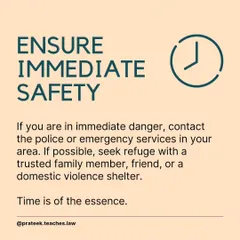
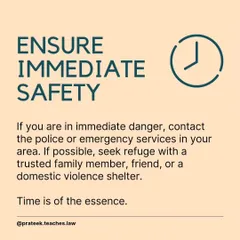

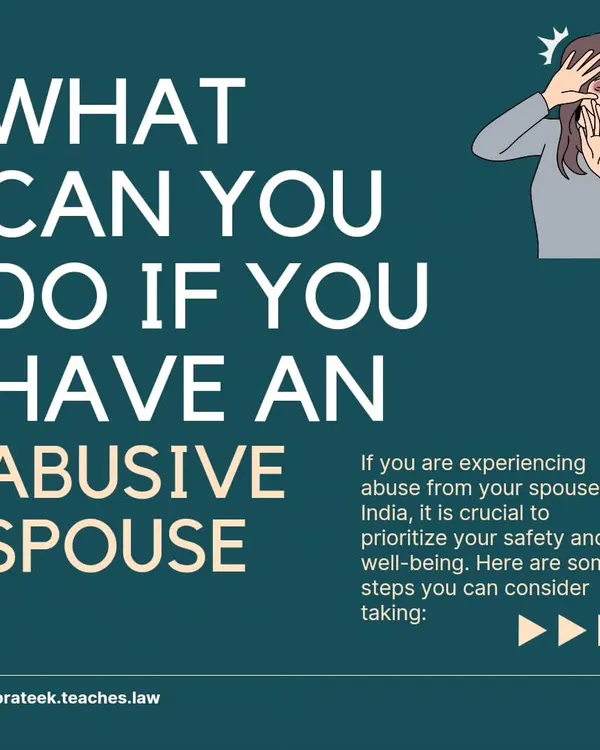
Navigating Domestic Disputes and Legal Rights in India
Navigating In-Law Challenges and Setting Boundaries
Navigating Family Dynamics in Your Relationship
Legal Defense for Family & Criminal Disputes
More from Divorce & Family Law by Dheeraj Kumar
More services by Dheeraj Kumar