Cyber Crime & Digital Law Legal Services
Digital laws are confusing, but your rights are clear. Whether it is identity theft, fake profiles, or online harassment, here is how you can protect yourself under the IT Act.
A recent controversy involving YouTubers on the show 'India's Got Latent' has led to a police inquiry for obscenity. I discuss the legal implications under Section 67 of the IT Act and Section 296 of the BNS, which deal with publishing obscene material and acts in public.
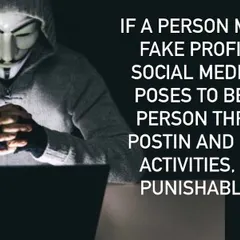
It's frighteningly easy for someone to create a fake social media profile using your photos and information. This is a crime called identity theft. I break down how Sections 66C and 66D of the IT Act provide punishment for this, and what you can do if you become a victim of online impersonation.
A viral video showed a man committing an obscene act in the Delhi Metro. I explain how Section 294 of the IPC makes such acts in public a punishable offense and discuss the legal actions being taken in response to this incident.
About Cyber Crime & Digital Law
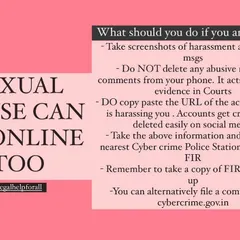
When you are dealing with fake profiles or online obscenity, the first step is always evidence preservation. Under Section 66C of the IT Act, identity theft is a serious offense, but without a preserved digital trail—like screenshots of the fake account, IP logs, or threatening messages—the police investigation often hits a dead end. Always document the URL, timestamps, and messages before taking any other action to ensure your complaint has teeth.
Dealing with Cyber Crime and the IT Act
Many people think that filing a complaint is enough, but cyber law requires specific technical documentation. Whether you are dealing with identity theft under Section 66C or impersonation under Section 66D, the way you frame your complaint determines how the police or the Cyber Crime Cell proceeds.
Why Evidence Matters
I often see clients rush to the police station without the right documents. This creates gaps in the investigation. When we handle IT Act cases, we focus on:
- Evidence Collection: Saving URLs, conversation threads, and digital headers that act as proof of the offense.
- Filing Strategy: Drafting complaints that clearly invoke the right sections of the IT Act and the BNS (Bhartiya Nyaya Sanhita) so the FIR or NCR is registered correctly.
- Platform Liaison: Sending legal notices to social media platforms for the preservation of data and takedown requests.
Handling False Accusations
If you have been wrongly accused of online misconduct or obscenity, the approach changes completely. We look at the technical evidence—or lack thereof—to rebut Section 41A notices and fight against arbitrary police action.
My Approach to Digital Disputes
I practice in the Supreme Court, Delhi High Court, and various District Courts, providing both offensive legal support for victims and defense for those facing false accusations. Law changes fast in the digital space, especially with new judgments on platform liability. My goal is to break down these complexities so you know exactly what is happening in your case, without the confusing jargon.
Similar work from other experts
Browse through Curated picks from other experts on mytribe
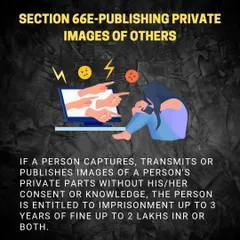
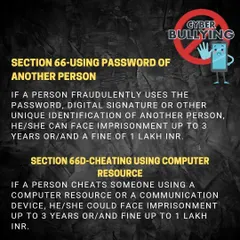
Protecting Your Digital Reputation and Identity
 7
7
Cyber Crime and Digital Offense Legal Defense
 11
11
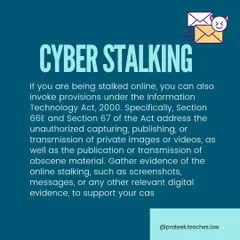
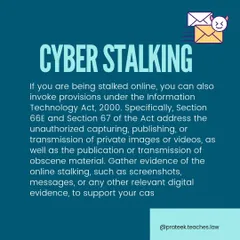
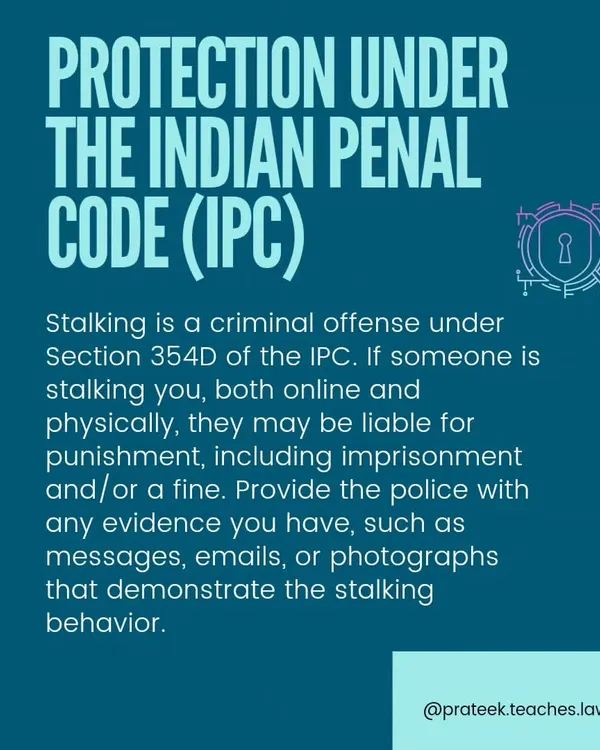
Legal Rights Against Online Stalking & Harassment
Legal Advice for Cybercrime and Digital Fraud
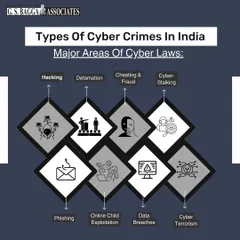
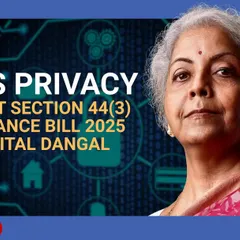
Cyber Law, Digital Fraud & Online Defamation Legal Help
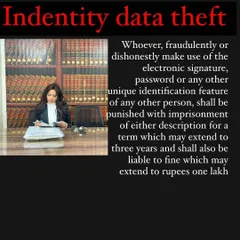
Legal Action Against Cybercrime, Fraud, and Defamation
More from Criminal Defense by Yash Yadav
More services by Yash Yadav