Internships & Career Guidance for Law Students
Finding your first internship is a real hustle. I share the practical, unfiltered steps to build your profile, apply effectively, and avoid the common traps in your law school journey.
In this live session, I answered key questions about internships. I advised first-year students to start with NGOs or legal journals to build skills and explained why fourth-year students must prioritize practical exposure.
Here is a great internship opportunity with FSSAI in New Delhi, offering a stipend of Rs. 10,000. I regularly share such openings to help students find valuable practical experience.
I found another excellent paid internship opportunity for law students. I believe in sharing these chances to help you gain experience and earn while you learn.
I share legal job vacancy alerts like this one in IRDAI. An important detail here is that you only need a law degree to apply, and enrollment with a state bar council is not mandatory.
To build a strong career, I recommend supplementing your LLB with specialized diplomas. This video covers valuable options like Taxation, IPR, and Merger & Acquisition that can make your CV stand out.
Before you take admission, it is crucial to verify the college's status. Here, I am sharing a BCI notification listing law colleges barred from taking admissions for the 2024-25 academic year.
This is the second part of my video series on law colleges prohibited by the Bar Council of India. My goal is to ensure you don't unknowingly take admission in an unapproved institution.
About Internships & Career Guidance
Don't just mass-email your CV and hope for the best. In my experience, especially for first or second-year students, the best way to get noticed is to target smaller NGOs or legal journals where your writing actually gets reviewed. Build that writing portfolio first; it is the strongest tool you have to land that first big-firm internship.
The Reality of Early Internships
Most students overthink the first year. You do not need to aim for a top-tier law firm immediately. Law firms often want people with existing skills. If you are in your first or second year, focus on building your foundation. Reach out to NGOs, local journals, or independent practitioners. These roles offer hands-on work—drafting, filing, and research—that will teach you more than a coffee-fetching role at a big office.
Master Your LinkedIn Outreach
LinkedIn is the single most powerful tool for a law student today. But do not send generic connection requests. Treat your outreach like a legal argument: be brief, specific, and respectful of their time. I teach students exactly how to craft cold DMs that actually get a reply. If you want a response, you need to show you have done your homework on their practice area.
The CV Roast
A cluttered resume is a rejected resume. Law firms look for specific keywords and experience, not a biography. If your CV is filled with 'fluff' or generic claims, it goes to the bottom of the pile.
What we focus on in our sessions:
- Skill Alignment: Matching your interests (e.g., IPR, Taxation, Media Law) with the right internships.
- Degree Validation: Checking your college status against the latest Bar Council of India (BCI) notifications so you do not waste years in an unaccredited institution.
- Financial Realities: Discussing what to expect in terms of stipends vs. learning opportunities.
Stop waiting for opportunities to fall into your lap. Whether you are prepping for the AIBE or looking to secure a seat at a chamber, the strategy is simple: stay consistent, be shameless in your outreach, and keep learning.
Similar work from other experts
Browse through Curated picks from other experts on mytribe
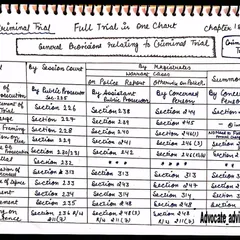
Career Guidance for Law Students and Junior Advocates

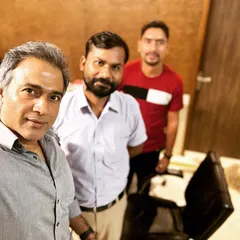
Mentoring the Next Generation of Legal Professionals

Career Guidance & Mentorship for Law Aspirants
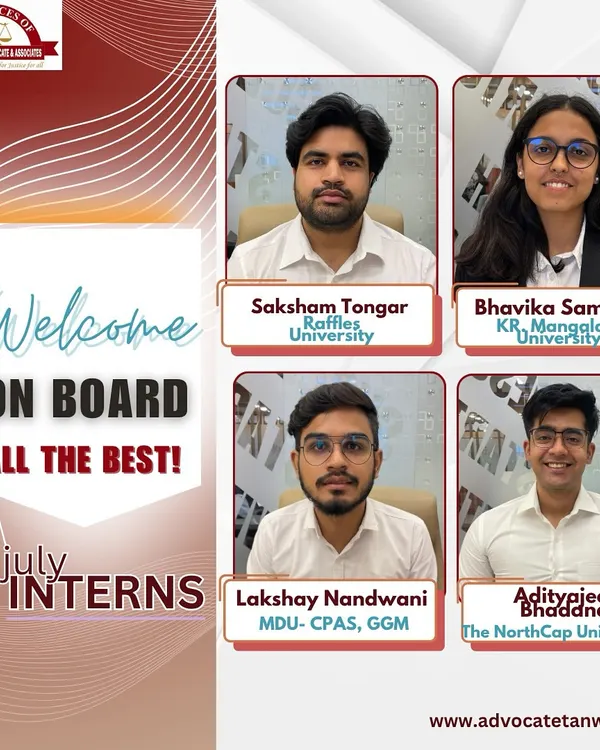 22
22
Mentoring Future Lawyers: Practical Legal Internships
Practical Guidance for Law Students & AIBE Aspirants
 6
6


Legal Mentorship and Internship Programs in Noida
More from Mentorship for Law Students & Aspiring Lawyers by Rohit Panchal
More services by Rohit Panchal