Property Due Diligence: Verify Your Investment Before You Buy
A dream home shouldn't become a legal nightmare. Before you sign an agreement or pay a booking amount, let's verify if the property is actually legally sound. I help you spot the red flags in builder contracts and site documents that most buyers miss.
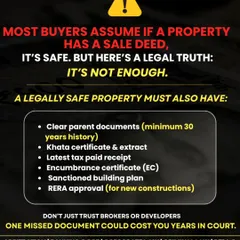
Before you buy a home from a builder, there is a list of essential documents you must verify to protect your investment. I provide a checklist, including the Title Deed, Approved Building Plan, Commencement Certificate, and Occupancy Certificate, to ensure your purchase is legally sound.
Can you own property based on a General Power of Attorney (GPA), Agreement to Sell, or Will? I explain the landmark Supreme Court judgment in the Suraj Lamp case, which clarifies that only a registered sale deed can legally transfer property title and ownership. Relying on other documents gives a false sense of security.
A builder's brochure won't tell you everything. I always advise clients to conduct a physical site visit to check for hidden risks like high-tension wires, nearby sewage plants, or waterlogging issues that can ruin your investment. If a builder conceals these facts, you can take legal action.
Moving into a building without a Fire NOC (No Objection Certificate) is a huge risk. I explain what a Fire NOC is, why it's essential for your safety, and how to check if your project has the necessary clearance on the RERA website. An offer of possession without a Fire NOC is illegal.
A structural survey is a critical step before buying, selling, or renovating a property. It is a detailed inspection that assesses the building's structural integrity and safety, helping you avoid future problems and comply with legal building codes.
A structural survey involves a detailed inspection of a property's physical condition. This includes checking the foundation for stability and assessing the integrity of load-bearing walls, columns, beams, and the roof to identify any potential risks.
The primary reason for a structural survey is to ensure the safety of occupants. It identifies potential hazards like weak foundations, damaged roofs, or other structural defects that could lead to accidents or collapses.
A structural survey is also crucial for identifying safety issues like dampness, mold, or poor construction quality. It ensures the property complies with all local building codes and safety standards, protecting both your health and your investment.
A structurally sound property has a higher market value because buyers and investors prioritize safety and longevity. Furthermore, many municipalities in India require structural stability certificates, especially for older or high-rise buildings.
In simple terms, a structural survey is an assessment to determine if a building's structure is sound, viable, and free from defects or risks. It is a professional evaluation of the building's health and safety.
About Property Due Diligence: Your First Line of Defense
The biggest mistake I see is people confusing an allotment letter with legal ownership. Just because a builder hands you a paper doesn't mean the property has an Occupancy Certificate or is legally yours. Without a proper Title Search Report, you aren't just buying a home—you might be inheriting someone else's mortgage, a long-standing court stay, or a project built on disputed forest land. I review your documents to ensure the seller actually has the right to sell the property to you.
Why You Cannot Skip Due Diligence
Most buyers rely solely on the builder’s brochure or a glossy presentation. In my experience, that is exactly where the trouble starts. Due diligence is not just about checking papers; it is about uncovering the risks that aren't printed on the brochure.
My Verification Process
- 30-Year Title Trace: I go back three decades into the property's history. We track the Mother Deed to the current Sale Deed to ensure there are no missing links or fraudulent transfers.
- Encumbrance Search: I check the Sub-Registrar's records to see if the property is pledged against a private loan, a court stay, or a pending litigation.
- Physical Site Intelligence: Documents can be forged, but the site tells the truth. I look for what the builder hides—high-tension power lines, illegal sewage plants, or waterlogging issues that crash the resale value of your home.
- Agreement Vetting: Builders use standardized contracts designed to protect them, not you. I review the Builder-Buyer Agreement clause by clause to fix one-sided penalty terms or hidden maintenance costs.
A Note on the 'Suraj Lamp' Judgment
Many buyers think a General Power of Attorney (GPA) or a Will is enough to transfer property. The Supreme Court, in the Suraj Lamp Industries case, made it clear: these documents do not convey legal title. If you are buying a property based on anything other than a registered Sale Deed, you are at risk. Do not let a false sense of security cost you your life savings.
Similar work from other experts
Browse through Curated picks from other experts on mytribe

Smart Property Transactions: Your Due Diligence Checklist
 5
5
Property Legal Due Diligence Services in Bengaluru
Buying, Selling & Property Ownership Advice
Legal Guidance for Property Transactions and Disputes
Navigating Real Estate Legal & Documentation in Gurugram
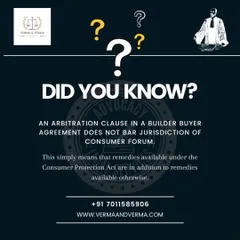
Property Agreements: Simple Advice for Builders and Tenants
More from Property & Real Estate Law by Abhishek Tiwari
More services by Abhishek Tiwari