Crate Training and Independence for Dogs in Delhi NCR
A crate should be a quiet sanctuary, not a cage. I help you teach your dog that the crate is their safe, happy place so you can manage their anxiety and find peace of mind when you need to step out.
This is a classic example of a puppy experiencing crate anxiety. Instead of rewarding the barking and pawing, I wait for him to settle down before offering a treat. This method, known as reinforcing calm behavior, is crucial for successful and stress-free crate training.
Does your dog bolt out of the crate the second the door opens? This video shows how I teach impulse control by having the dog wait for a release command. This simple exercise establishes boundaries and makes managing your dog much easier.
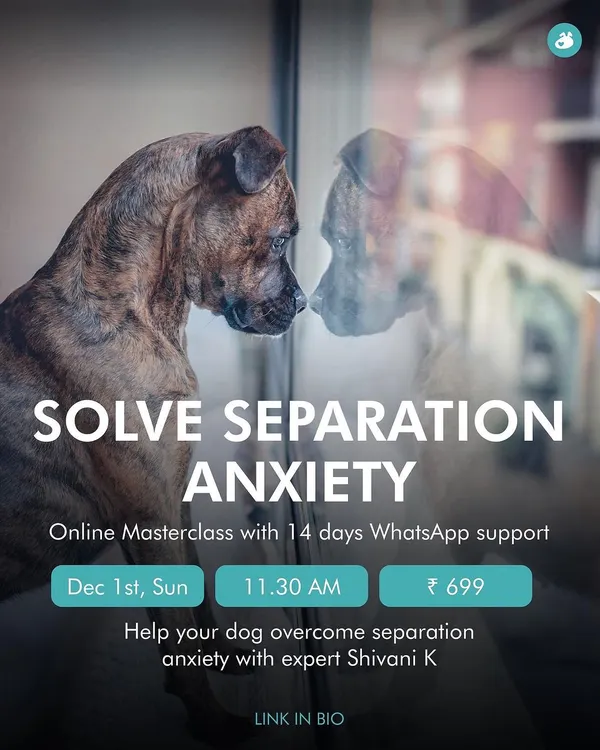
Separation anxiety is a common and stressful issue for both dogs and their owners. I offer online workshops that provide simple, actionable exercises to help your dog build confidence and learn to be independent. We work on creating a predictable routine that reduces their anxiety when you leave.
About Crate Training & Independence
Most crate issues happen because of timing. We often accidentally reinforce the wrong energy by opening the door when the dog is barking or pawing to get out, which teaches them that being frantic works. I work with you to catch that exact moment when they settle down, using a marker word to show them that calmness is the key to getting the door opened. This one change helps your dog learn self-control and stops the cycle of anxiety.
Building a Safe Haven
Many pet parents in Delhi struggle with crate training because it feels like 'locking the dog away.' I look at it differently. My method is about creating a space where your dog chooses to go because they feel secure there. Whether it is for managing separation anxiety or simply ensuring they don't chew up the furniture while you are at work, the goal is always the same: a relaxed, content dog.
The 'YES' Marker Method
I use a clear 'YES' marker word to bridge the gap between what you want and what the dog understands. When we are working on crate training, we don't just put them in and hope for the best. We use the marker to reward the behavior you want to see—the moment they stop pacing, the moment they lie down, or the moment they stay quiet. This gives your dog clear feedback without confusion.
Moving Past Separation Anxiety
Independence is a skill, just like sit or stay. If your dog gets distressed the moment you leave the room, we start with small, manageable steps. We work on duration and distance, ensuring your dog feels safe enough to be alone for a few minutes before we build up to hours. It is not about forcing them to cope; it is about building their confidence so they can be happy by themselves.
Real-World Advice
- Forget the guilt: A properly introduced crate is a tool for their safety and comfort, not a punishment.
- The 5-second rule: Always check if your dog actually wants to be handled or if they prefer their space.
- Consistency is key: If you are inconsistent with the rules today, the dog will keep testing those boundaries tomorrow.
Let’s work together to make your home a stress-free environment for both of you.
Similar work from other experts
Browse through Curated picks from other experts on mytribe
Crate & Muzzle Training for Dogs
Building Confidence and Independence: Expert Training for Anxious Dogs
A Calm & Confident Pup at Home
Household Management Training for Dogs
Puppy Training for a Calm & Confident Home
 9
9


Understanding and Managing Your Dog's Anxiety
More from Private Dog Training & Behavior Modification by Abhishek Gaur
More services by Abhishek Gaur