Understanding Your Pain: A Physiotherapy Guide
Not sure why your back or neck hurts? Let's break down the science behind your pain, from posture habits to specific spinal conditions, so you can find the right path to recovery.
This is a cervical spine X-ray showing the effects of "Tech Neck." The constant forward head tilt from phone use puts immense pressure on your vertebrae, leading to pain, stiffness, and long-term degeneration.
Back pain isn't one-size-fits-all. This guide explains the differences between Sciatica, Lower Back Pain, Upper Back Pain, and Middle Back Pain, helping you understand the specific location and nature of your discomfort.
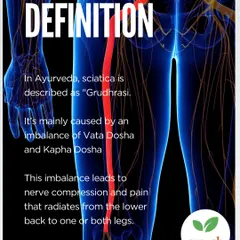
This diagram clearly illustrates how a herniated disc can compress the sciatic nerve, causing pain to radiate down the leg. My treatment focuses on relieving this pressure through targeted exercises and manual therapy.
Your posture is your foundation. This chart shows various common postural deviations, from a hollow back and rounded shoulders to scoliosis. I conduct a full assessment to identify your specific pattern and create a corrective plan.
This infographic breaks down the three main types of back pain: Axial (muscular), Referred (dull and achy), and Radicular (sharp, nerve-related pain like sciatica). Identifying the type of pain is the first step in effective treatment.
A video infographic detailing the common causes of low back pain, who is at risk, and the top prevention strategies. It highlights how physical therapy is a primary treatment for lasting relief.
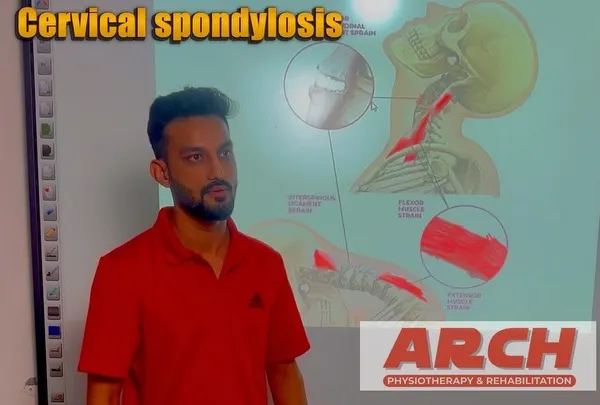
This chart explains Cervical Spondylosis, or arthritis of the neck. It shows the symptoms, from neck stiffness to headaches, and illustrates how proper sleeping posture is crucial for managing the condition.
This pain referral map shows how irritation in specific joints of your neck can cause pain in your head, shoulders, or upper back. I use this knowledge to find and treat the true source of your discomfort.
A common myth is that discs "slip." This video uses a spinal model to demonstrate what actually happens: a disc herniates or bulges, putting pressure on nerves. Understanding this is key to proper treatment.
Myofascial Pain Syndrome is a chronic pain disorder caused by trigger points in your muscles. This guide explains its causes, symptoms like deep aching pain, and the treatments I offer, including physical therapy and stretching.
About Understanding Your Pain: A Complete Guide
If you are reading this, you are likely dealing with discomfort that just won’t go away. Whether it is that nagging tech neck from long hours at a desk or the sharp pain of sciatica, the most important step is identifying the root cause. I do not just treat the sore spot; I conduct a full postural assessment to see how your spine and muscles are moving, because your pain is usually just a signal that something else is out of balance.
Pain is your body’s way of asking for help, but how you interpret that signal changes everything. Many people come to me after months of taking painkillers, hoping the ache will eventually fade. Dekho, medicines only mask the problem. My approach at the clinic is to look at the mechanics of how you move.
Why Your Pain Persists
Most of the cases I see—like neck stiffness, upper back tightness, or lower back aches—stem from repetitive strain. If you sit for 8 hours a day, your muscles adapt to that position, often leading to rounded shoulders or 'tech neck.' I use diagnostic tools to measure your posture and spinal curves, which helps me build a plan that actually fits your lifestyle instead of giving you a generic sheet of exercises.
Understanding Common Conditions
- Sciatica & Disc Issues: Often caused by nerve compression. It is not just about the pain in your leg; it is about relieving the pressure on the nerve.
- Cervical Spondylosis: Age-related wear and tear, but manageable with consistent posture correction and targeted strengthening.
- Myofascial Pain: This is the deep knot you feel in your muscles. I use techniques like IASTM (Instrument Assisted Soft Tissue Mobilization) and dry needling to release these trigger points faster than massage alone.
What Happens in a Session?
When you come to see me, we don't start with machines. We start with an audit. I check your head position, your pelvic tilt, and how you walk. We then use manual therapy to glide your vertebrae, release tight fascia, and give you movements you can realistically do at home. You do not have to live with the pain. Let us get to the bottom of it together.
Similar work from other experts
Browse through Curated picks from other experts on mytribe


Understanding Chronic Pain and Mobility Issues
 13
13

Understanding Your Pain: Identifying Root Causes
Relief for Neck, Back Pain and Sciatica in Delhi
Back & Neck Pain: Finding the Real Cause
 22
22
Back and Neck Pain Relief Treatments
 17
17

Spine, Neck & Posture Correction
More from Postural Correction & Ergonomic Therapy by AB Physiotherapy Clinic
More services by AB Physiotherapy Clinic