Back & Neck Pain: Finding the Real Cause
Pain isn't always where it hurts. I identify the root cause of your back and neck discomfort to create a plan that works—no quick fixes, just real, movement-based recovery.
This is why a proper exercise plan is crucial. For lower back pain from a disc bulge, exercises like the cobra pose can actually increase pressure and make it worse. I teach safer, more effective core exercises like the quadruped leg extension to build stability without causing harm.
This patient's lower back pain was actually caused by a tight hip. After identifying the restricted right hip rotation, I used dry needling and IASTM to release the tight muscles, followed by hip opening exercises. The pain is not always where the problem is.
For acute slip disc, I avoid extreme extension exercises and traction, which can worsen the condition. Instead, I focus on core strengthening with exercises like planks and glute activation with clamshells. This builds a strong foundation for recovery.
Your spine works as a whole. To fix neck pain, you can't just do neck exercises. I always train the mid-back, lower back, and core muscles. Strengthening the rhomboids and serratus anterior is key to controlling the scapula and improving overall spinal health.
This patient, a regular cyclist, came to me unable to walk straight due to a disc issue. Just doing one type of activity isn't enough for overall fitness. A physiotherapist can assess your lifestyle and prescribe the specific mobility and strength exercises you need to prevent such injuries.
This patient's back pain was a direct result of extremely tight hamstrings, which you can see from the shivering when he tries to lift his leg. We focused on exercise therapy to improve his flexibility and strength, and his pain is much better in just a few sessions.
This patient has a severe disc extrusion causing lumbar canal stenosis, leading to a burning sensation and muscle weakness in her leg. In such cases, we use classic physiotherapy, including electrical muscle stimulation (EMS) and resisted exercises, to rebuild muscle tone and strength.
This patient's back pain was caused by tight hip flexors. I'm using the Thomas test to demonstrate the tightness. The lifted leg and outward rotation of the foot are clear signs. We then work on releasing these muscles to relieve the strain on the lower back.
This video explains the concept of pain centralization. When radiating leg pain from a slip disc starts to move back and localize in the lower back, it's a positive sign of improvement. We then progress to strengthening the back extensors, glutes, and hamstrings.
This 22-year-old's spine curvature completely reversed due to bad posture and a gym injury. This is a serious case that developed over time. It's why I always say, get your posture assessed by a physio before starting a fitness journey to avoid long-term damage.
About Back & Neck Pain: Finding the Real Cause
When you come in for back pain, we don’t just look at your spine. We assess your whole biomechanics, like your hip mobility or hamstring length, because often the pain you feel is just a symptom of a deeper movement issue. I sit with you, explain your MRI or X-rays in plain terms, and build a rehab plan that addresses the root cause rather than just masking the symptoms with passive machines.
Many people come to me after months of 'treatment' that only focused on their back, completely missing the fact that their pain was actually stemming from tight hamstrings, weak glutes, or poor posture. Whether you are dealing with a slip disc, sciatica, or chronic neck stiffness from a work-from-home desk job, the solution is rarely just a belt and rest.
My approach at the clinic in Najafgarh starts with a deep-dive assessment. We look at how you move, walk, and sit. We rule out red flags, look at your imaging if you have it, and decide on the right path. Sometimes that means manual therapy to release deep muscle knots or joint mobilizations to restore movement. Sometimes it means dry needling or cupping for acute release.
But the real work happens in the exercise phase. Lasting recovery requires consistent, targeted exercises that stabilize your spine. I don’t believe in giving you generic stretches that might make a disc bulge worse. We build a roadmap:
- Assessment: Understanding the mechanics of your pain.
- Manual Release: Using my hands and tools to clear immediate stiffness.
- Exercise Prescription: Tailored movements to rebuild strength and prevent the pain from coming back.
Stop Googling exercises and stop hoping it goes away on its own. Let’s get to the root of the problem, together.
Similar work from other experts
Browse through Curated picks from other experts on mytribe
 22
22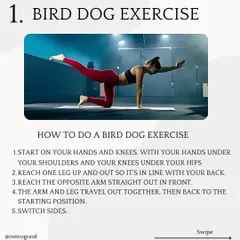
Back and Neck Pain Relief Treatments
Relief for Neck, Back Pain and Sciatica in Delhi
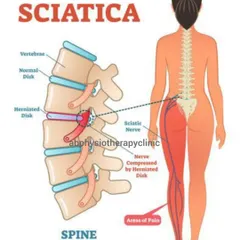
Back and Spine Care Physiotherapy
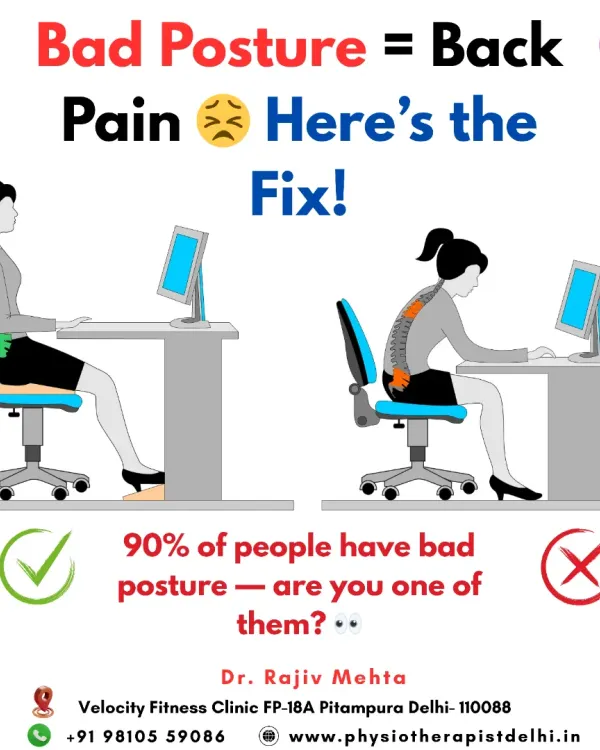 29
29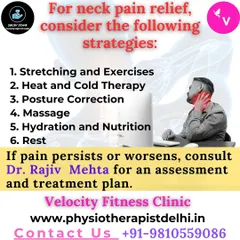
Pain Relief for Everyday Life
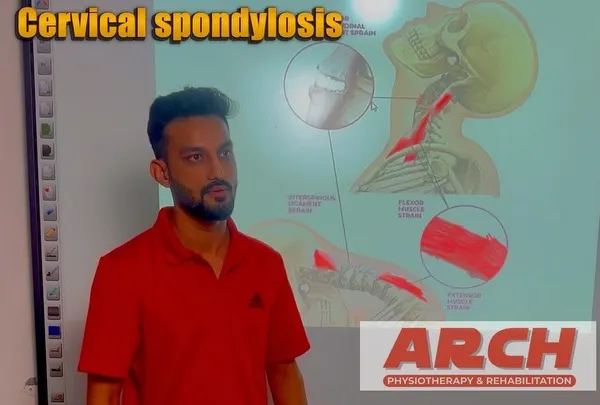 17
17

Spine, Neck & Posture Correction
Back and Spine Health: Root Cause Recovery in Bangalore
More from Orthopedic Physiotherapy & Pain Management by Shruti Raj
More services by Shruti Raj