Practical Music Theory Classes
Stop guessing notes and start understanding the language of your favorite songs. We make music theory simple and ready for you to use.
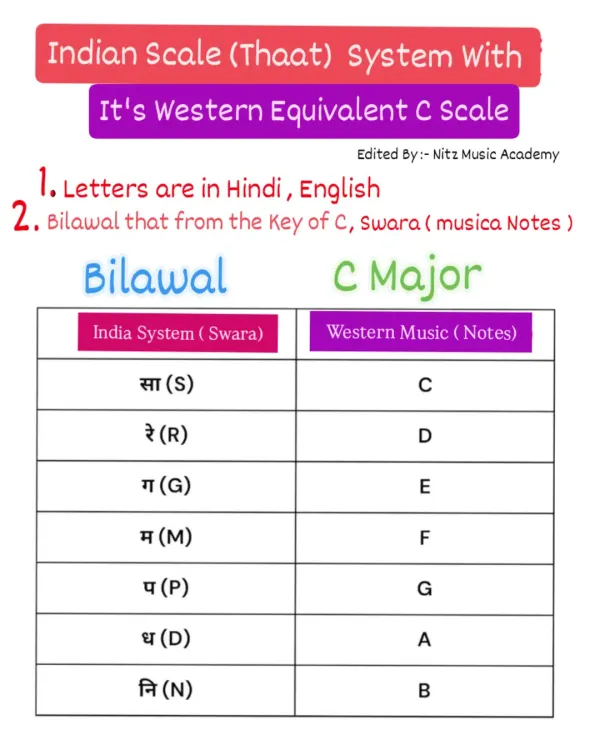
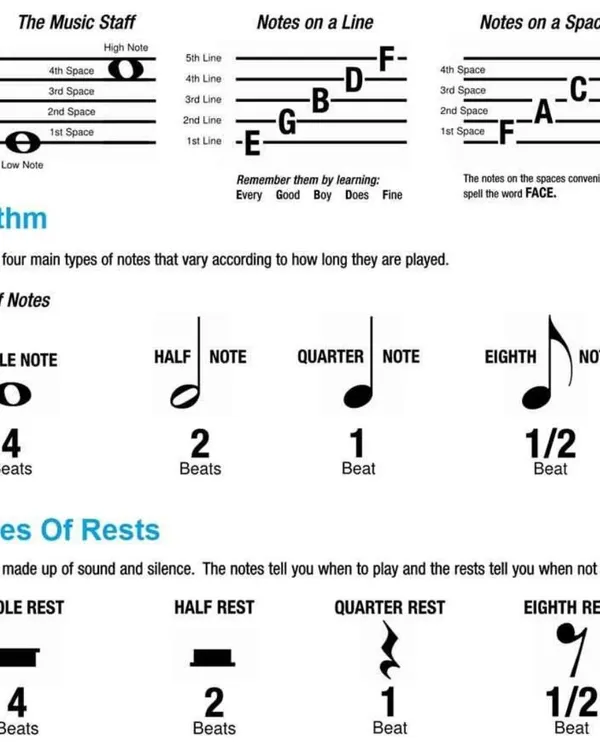
It all starts with the basics. Here, we break down the 12 fundamental notes in Western music and explain the concept of pitch. Understanding these building blocks is the first step to creating your own melodies and harmonies.
Scales are the foundation of every song. In our music theory classes, we demystify concepts like the major and minor scales, teaching you the formulas so you can create different moods and emotions in your tracks.
Understanding the difference between melody and harmony is key for any music producer. We teach you how to craft a memorable main musical line and support it with chords and notes that make your track sound full and professional.
About Music Theory, Made Simple
Music theory often feels like a dry academic subject, but I teach it as the language of your own creativity. Instead of rote memorization, we focus on how these twelve notes and scale formulas actually function in the songs you enjoy, giving you the practical tools to write your own melodies.
Theory is the secret to moving from guessing what sounds good to knowing why it works. When you understand the relationship between a melody and its harmony, your songwriting stops feeling like trial and error.
In our sessions at the New Panvel studio, we strip away the intimidation factor. Whether you are a producer using a DAW or a piano student preparing for Trinity exams, the core concepts remain the same:
- Understanding Pitch and Notes: We demystify the Western 12-note system so you can navigate any instrument with confidence.
- Mastering Scales and Modes: Learn the formulas behind major and minor keys, which are essential for creating specific emotional moods in your music.
- Harmony vs. Melody: Learn to support your main musical lines with chords that provide depth and professional polish.
This is not a lecture hall environment. We keep our groups small—typically three to five students—so we can apply these concepts directly to the music you want to create, whether it is jazz, Bollywood, or electronic tracks. If you are looking for a structured path to improve your musicianship or preparing for formal grade exams, we provide the practical framework to get you there.
Similar work from other experts
Browse through Curated picks from other experts on mytribe
 11
11
Music Theory and Essential Learning Resources
 11
11
Music Theory & Foundation Classes
 5
5
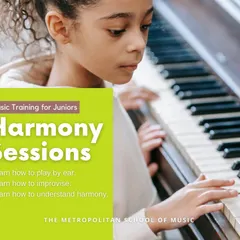
Music Theory and Harmony Training in Gurugram
Vocal Coaching & Music Theory Simplified
 13
13Artist & Song Deep Dives: Learn Music Theory
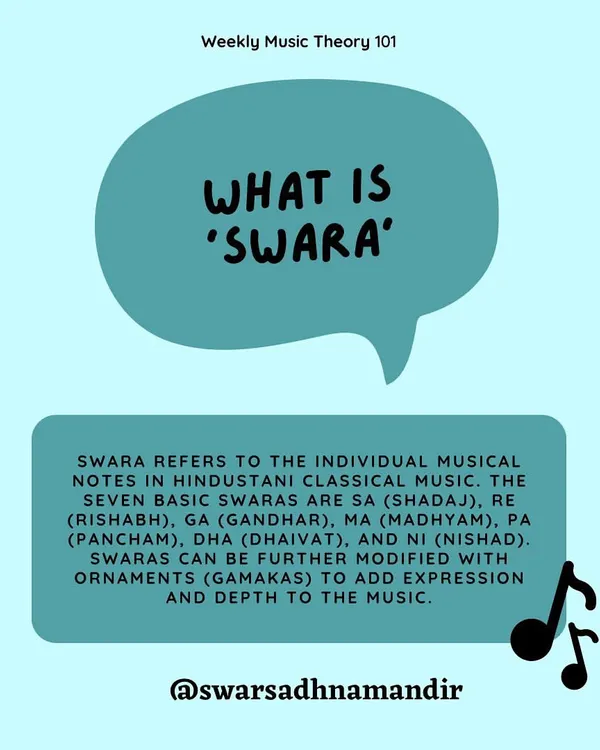 6
6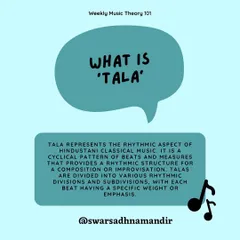
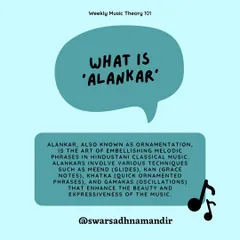
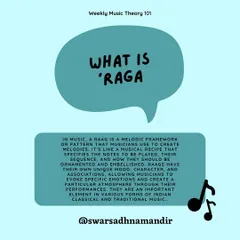
Music 101: Understanding the Basics
More from Music Production Courses by Vivek Music Academy
More services by Vivek Music Academy