Photography Pro Tips, Gear Reviews, and Lighting Techniques
I have spent 16 years behind the camera figuring out that basics beat fancy gear every time. Here are my raw, unfiltered lessons on lighting, lenses, and settings to help you improve your work.
Consistency is key in professional lighting. In this clip, I explain why consistent power output and stable white balance from your flash are critical for getting crisp, high-quality images and freezing action effectively throughout a shoot.
Understanding white balance gives you creative control. I demonstrate how to use the Kelvin settings on your camera to dial in a specific mood, whether you want a warm, inviting tone or a cool, dramatic feel for your videos.
Choosing the right lens can make or break your shoot. Here, I review the Tamron 35-150mm F2-2.8, explaining how its wide aperture and versatile zoom range make it a great all-in-one choice for everything from travel and street photography to professional portraits.
About Pro Tips & Gear Talk
You will notice I spend more time on lighting consistency and white balance than on expensive camera bodies. Take flash duration, for example. If you want crisp, high-quality images where motion is frozen, it is not just about the camera, it is about having lights that deliver consistent power without fluctuation. Getting your fundamentals right is what actually saves you money and makes your portfolio look professional.
Focus on the Fundamentals
Photography is not about buying the most expensive lens. It is about understanding light. In my career, I have seen beginners obsess over gear while their basics like white balance, focus, and exposure remain weak. Whether you are shooting in a studio or outdoors, the light you create or manipulate defines your image.
Mastering Lighting and White Balance
White balance is a perfect example of where you need to choose between accuracy and mood. If you want pure, accurate colors, you use a custom white balance. But if you want to tell a story through the mood of your video, you shift to Kelvin. Knowing when to make that switch is the difference between a flat image and one that feels professional.
Choosing the Right Gear
I often get asked about the best lenses. For travel, street, and portraits, I frequently recommend versatile zoom lenses like the Tamron 35-150mm. You get the wide angle for dynamic shots and the compression of an 85mm or 150mm for close-ups. Because the aperture stays fast, your low-light performance remains strong. Look for lenses with silent, accurate focusing motors to keep your workflow smooth.
Join the Conversation
I believe in teaching through practice. My videos here are meant to bridge the gap between owning a camera and actually knowing how to use it. If you are stuck on a specific lighting setup or trying to understand a complex piece of equipment, do not hesitate to ask. Let's get your basics strong so you can stop worrying about the tech and start focusing on the art.
Similar work from other experts
Browse through Curated picks from other experts on mytribe
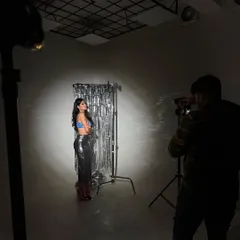
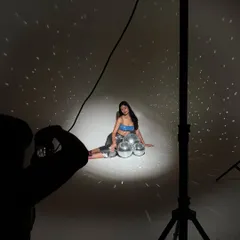
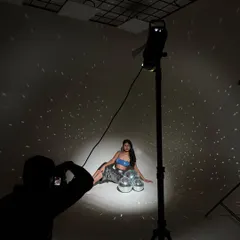
Behind the Scenes Photography Process
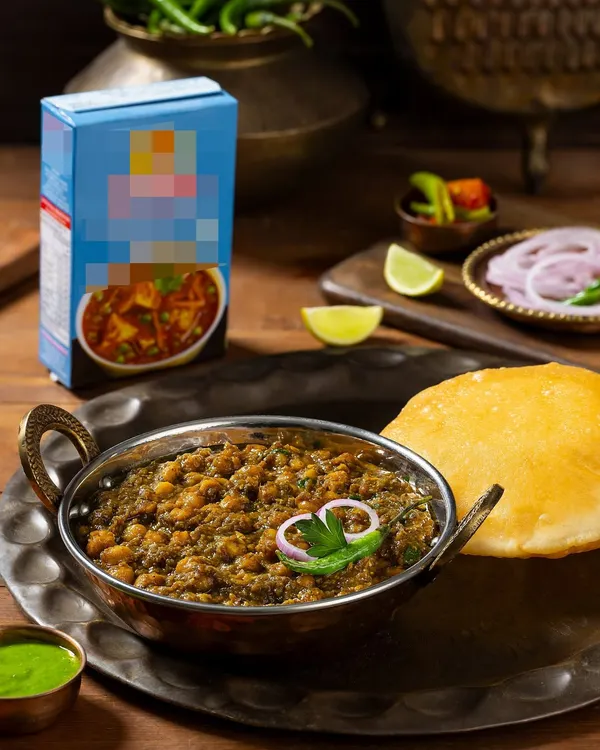
Product Photography Behind the Scenes and Setup
 10
10Behind the Lens: My Process and Technique
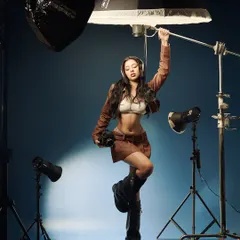
Behind The Lens: My Fashion Photography Workflow
 6
6


Mastering Light in Photography
Behind the Scenes: My Studio Process & Styling
More from Cinematography & Video Production by Vipin Gaur
More services by Vipin Gaur