Mastering Real Tools and DIY Skills for Young Makers
We believe in ditching plastic toys for real-world equipment. Here is a look at how we teach kids to safely handle screwdrivers, soldering irons, and multimeters to build genuine confidence and practical skills.
In this episode of "Tools & Techniques," I explain the basics of using a hot glue gun safely. I cover how to heat it up, choose the right glue stick, and proper placement when not in use.
Let's talk about the screwdriver. I walk through a standard screwdriver kit, explaining the different bits like Phillips and Torx, and how to use extensions to reach difficult spots.
"Measure twice, cut once." This video covers various measurement tools, from a simple steel ruler and tape measure to more advanced vernier calipers and a laser range finder.
In part one of our multimeter series, I show you how to test the voltage of a battery. This is a fundamental skill for anyone working with electronics, and it's easier than it looks.
Part two of our multimeter guide focuses on the continuity test. I demonstrate how to use this feature to quickly check if a wire is damaged or in good condition.
Choosing the right tool for the job is critical. Here, I compare a regular screwdriver to a socket wrench with a flexible bit, showing how the latter can help you work in tight spaces.
Ever wondered how a 3D printer works? I break down the fundamental process: a plastic filament is melted and then extruded in a precise pattern to build an object layer by layer.
A close-up of hands feeding filament into a 3D printer's extruder. This is the first step in bringing a digital design into the physical world.
A spool of green PLA filament, the biodegradable and eco-friendly material we use for our 3D printing projects. We are committed to sustainable making.
A student interacts with the touchscreen of a 3D printer, adjusting settings for their print job. We teach them the entire process, from design to final output.
About Tools & Techniques Explained
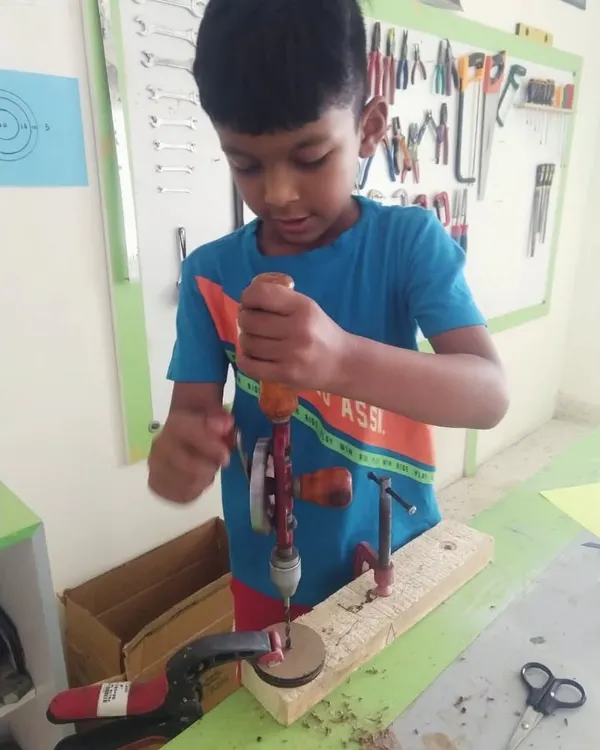
When a student picks up a power drill or a multimeter, they aren't just handling a device; they are learning to trust their own judgment. We focus on these real tools because they teach patience and precision. For instance, our soldering station isn't just about joining wires—it is about understanding heat management and safety, turning a daunting, technical task into a manageable, rewarding skill that makes engineering feel tangible.
Why Real Tools Matter
At Tinkernauts, we do not believe in imitation plastic kits. When children use the same tools as the adults around them, it changes their perspective entirely. A screwdriver is no longer just a household item; it is a mechanism for discovery. By bringing real tools into our workshops in Bengaluru, we shift the focus from merely following instructions to actual problem-solving and understanding the mechanics behind everyday objects.
Our Approach to Safety and Mastery
We handle 'messy middles' by prioritizing safety without wrapping kids in bubble wrap. Every tool usage starts with a clear demonstration: we explain the 'how' and the 'why,' whether it is how a glue gun heats up or how to read a multimeter for voltage.
- Precision Measurement: We teach kids that 'measure twice, cut once' is more than a cliché—it is the foundation of accuracy, whether you are using a basic steel ruler or a laser range finder.
- Hardware Mechanics: From Phillips to Torx bits, our students learn that every screw head requires a specific tool, teaching them to pause and assess before acting.
- Digital Fabrication: We demystify 3D printing by teaching students the entire workflow, from how an extruder pushes filament to how to navigate the software interfaces that bring their designs to life.
Join Us in Bengaluru
Whether you are looking for after-school STEM clubs or a one-off weekend workshop, our Tinker Den is a safe space for your child to learn these skills. We take pride in seeing students move from being passive consumers of technology to becoming active makers. If you want your child to understand how their world works and gain the confidence to fix it, let’s get started.
Similar work from other experts
Browse through Curated picks from other experts on mytribe
 26
26
Safe Tool Handling Workshops for Kids

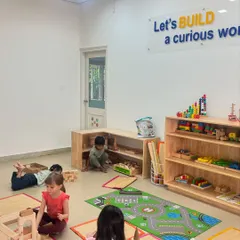
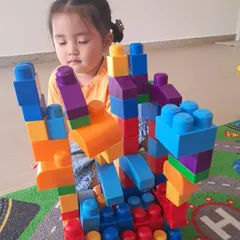
STEM & Building Adventures for Kids
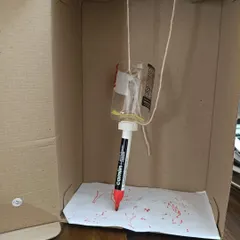

Hands-on Science & STEM Projects
See Robotics and STEM Learning in Action
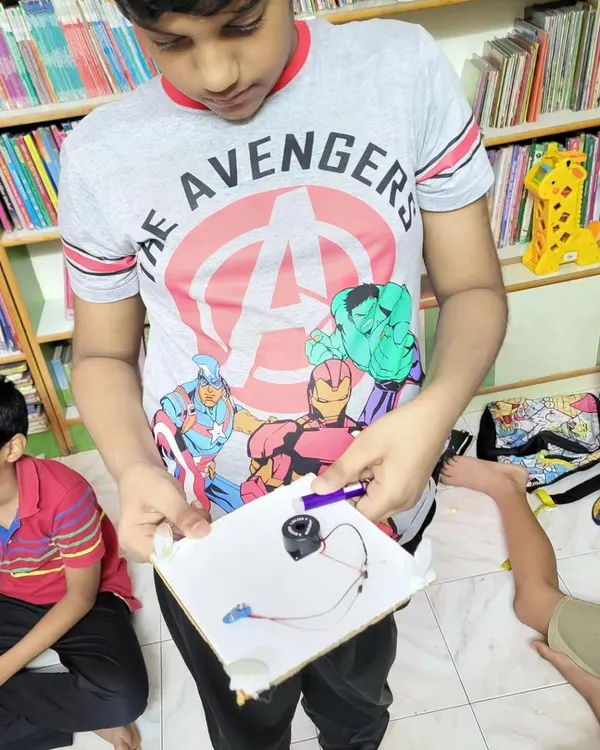 10
10
Electronics & Robotics Projects for Kids
Hands-on Robotics Workshops and STEM Camps in Bengaluru
More from STEM Programs for Schools by Tinkernauts
More services by Tinkernauts