Puppy Parenting: A Guide to Training Your New Dog
Welcoming a new puppy brings so much joy, but it also comes with real challenges like biting and potty accidents. I help you navigate these early months with positive, science-based methods that build a lifetime of trust.
When should you start exercising your puppy? Proper, intense exercise should wait until 5-6 months when their bones are developed. Before that, gentle play is great, but avoid too much jumping on hard surfaces to protect their growing joints.
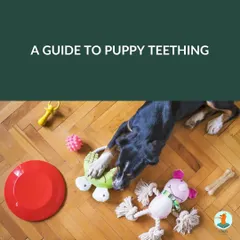
Play is crucial for puppies, especially because they have a natural need to chew. Giving them an appropriate toy to chew on while you pet and play with them helps redirect their biting onto the right things.
When using treats to lure a puppy into a position, don't hold the food between your fingers where they can nibble you. Instead, place it on your flat palm. This way, they can lick and get the reward without accidentally hurting you with their sharp puppy teeth.
This soft, stretchable rope toy is perfect for playing tug of war with a puppy. It's gentle on their developing teeth and gums while satisfying their natural urge to pull and play.
This pom-pom toy is another great option for puppies. It's a plush toy with no filling, so it can't be destroyed by tearing it apart. The multiple squeakers inside keep them engaged and entertained for longer.
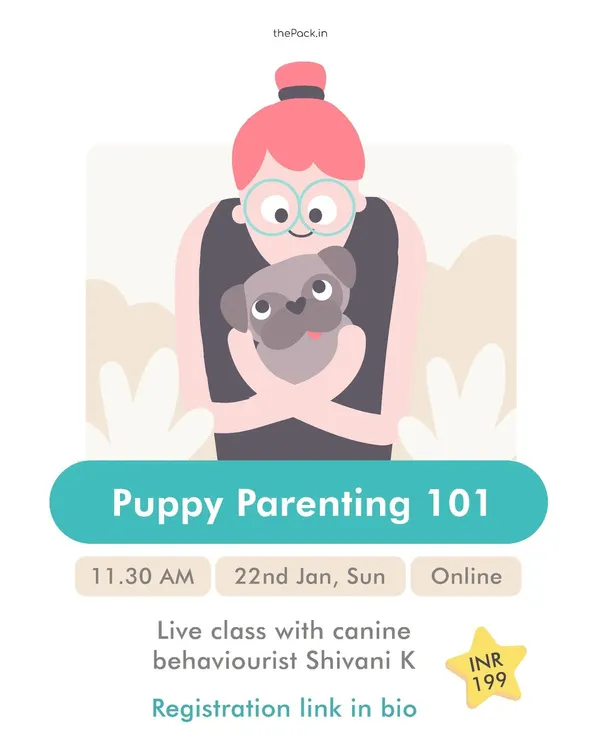
In this free webinar, I cover the most common puppy problems, from puppy biting and house soiling to preventing separation anxiety. I give you the tools you need to navigate these early challenges successfully.
This promotional video highlights the key topics of my puppy parenting webinar. We cover creating a safe space, managing puppy messes, setting boundaries for biting, and making crate training a positive experience.
About Puppy Parenting Essentials
When you are trying to teach a puppy basic commands, avoid holding treats between your fingers where they can easily nibble. Instead, place the treat on your flat palm. This forces the puppy to lick the reward, which prevents accidental biting and keeps your hands safe while they learn to be gentle.
Building a Foundation with Patience
Puppy parenting is rarely the seamless experience social media makes it look like. From the teething phase where everything is a chew toy, to the frustration of house-breaking, it is easy to feel overwhelmed. My approach is built on three simple, non-negotiable pillars: patience, perseverance, and consistency. You have to be more determined than your puppy, and you have to be consistent in how you react to their behaviors.
The 'Salary' Concept
I focus on positive reinforcement. Think of treats as a salary, not a bribe. You would not work a day without pay, and your dog should not be expected to perform without motivation. When we focus on what motivates your puppy, training becomes a game rather than a chore. Whether we are tackling crate training to help with separation anxiety or setting up a potty schedule, the goal is always clear communication.
Why Virtual Consultations?
I often hear, 'My dog is fine, but they won't listen to me.' Most of the time, the issue is not the dog; it is the signals we are sending. My 1-on-1 behavioral consultations are virtual, allowing me to observe you and your puppy in your own home environment. We will look at your daily routine, identify triggers for jumping or barking, and create a custom plan that works for your specific home setup in Noida or anywhere else you are based.
Common Hurdles We Can Solve Together
- Puppy Biting: Understanding that this is a developmental phase, not aggression.
- Potty Training: Creating a foolproof schedule rather than just hoping for the best.
- Crate Training: Turning a crate into a safe sanctuary, not a cage.
- Leash Reactivity: Teaching calm greetings from day one.
Your puppy is constantly learning from your reactions. Let us make sure you are teaching them the right things.
Similar work from other experts
Browse through Curated picks from other experts on mytribe
 6
6Puppy Training and Home Essentials



Puppy Foundations: How to Start Training Your Puppy Right
Puppy Foundations: Start Your Dog's Training Right
Starting Strong: Essential Puppy Socialization & Care Tips
Puppy Training Essentials
Puppy Essentials: Build a Bond, Not Just Obedience
More from Dog Parent Coaching & Workshops by The Canine Coach
More services by The Canine Coach