Intricate Mehendi Design & Fine Line Henna Art
Creating intricate mehendi starts with the right flow. Here is a look at my process for achieving clean lines and consistent detail using my handmade organic henna cones.
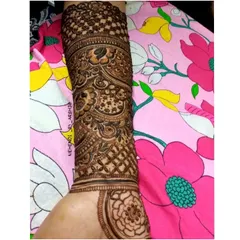
Practicing henna grids helps me perfect my line work and consistency. The smooth flow of my paste from the cone is key to creating these clean and uniform patterns.
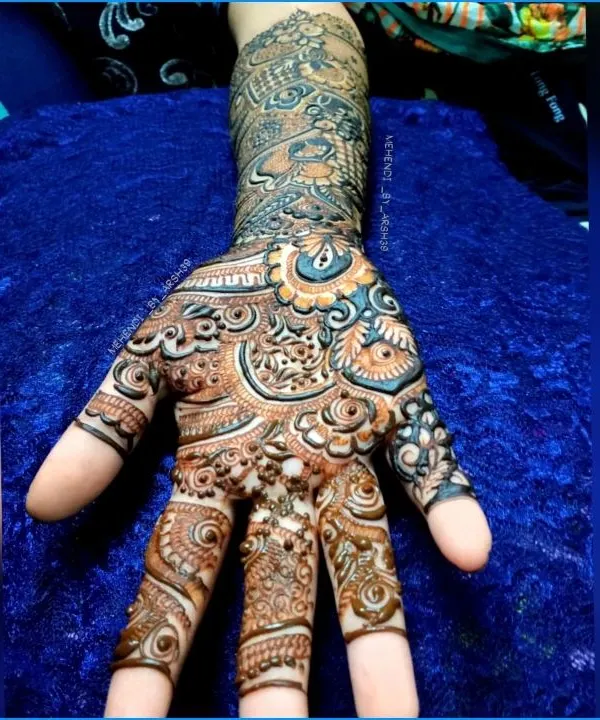
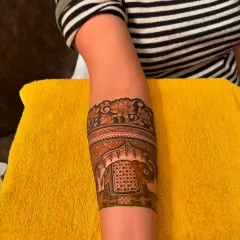
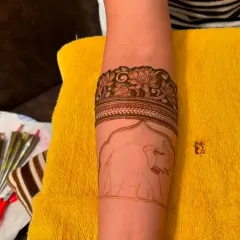
This is a practice piece of an intricate bridal peacock design. I use these sessions to refine complex elements like the delicate feathers, lotus flowers, and checkered patterns.
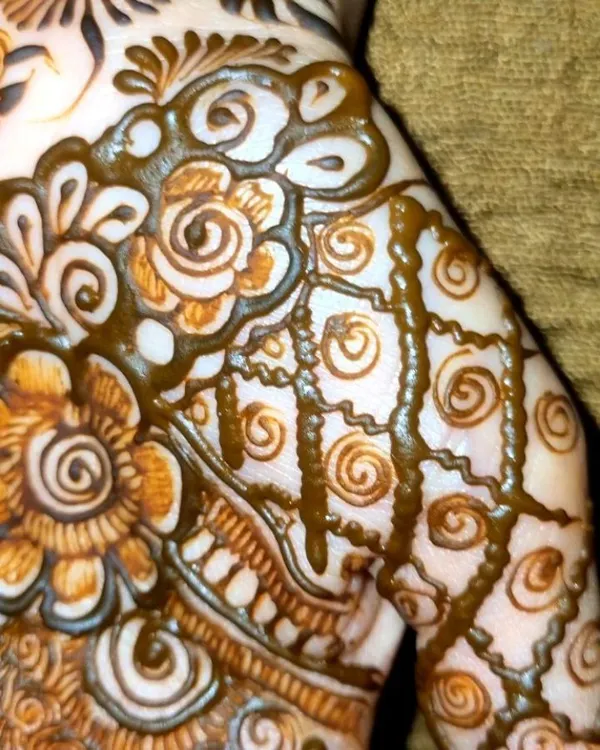
Practice is a huge part of my process. Here you can see the consistency of my henna paste as I work on a detailed corner design, building up layers of swirls, leaves, and borders.
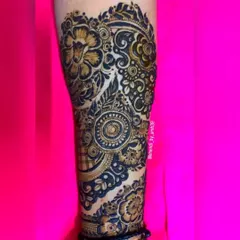
To achieve intricate details in my designs, I use a cone with a very fine 0.38mm pin. This allows me to create delicate lines and shading within a larger mandala pattern.
My henna is truly handmade, from mixing the paste to filling the cones and creating the art. This video shows a glimpse of the entire process, ending with practice work.
Even a simple leaf element requires practice to get the shape and pressure just right. This is a basic building block for many larger, more complex henna designs.
About Artistry in Action: Design & Detail Work
The secret to those fine, uniform lines you see in my work is a combination of consistency and tool selection. I use a 0.38mm pin-tip cone to ensure the paste flows smoothly without clumping, which is essential when creating tight mandala patterns or detailed bridal grid work. It is a delicate balance of pressure and steady hands, something I practice daily to ensure the final stain is as precise as the initial design.
My Approach to Detail
Whether I am working on a bridal peacock motif or a simple party mandala, the quality of the henna paste determines the outcome. My process is entirely handmade. I mix my organic henna batches from scratch, straining them through nylon to ensure zero grit. This is vital because even a tiny lump in the paste can ruin a delicate line or clog the fine 0.38mm applicator tip I prefer for intricate work.
Why Consistency Matters
When you see the grids and leaf patterns in my designs, those are the result of hours of practice. I often doodle on paper or my own skin to keep my hand steady and my flow consistent. A smooth, stringy paste means I can lift the cone slightly to create loops and swirls without the henna breaking, which gives the design that professional, sharp finish.
Getting the Best Stain
Many clients ask how to get that deep maroon stain. It is not just about the design; it is about the care after application.
- Keep it on: Leave the dried paste for at least 8 hours. Overnight is best.
- Scrape, do not wash: When it is time to remove the dry henna, scrape it off gently.
- Water-free: Try to avoid water on the area for 48 hours. This is when the henna oxidizes from a bright orange to that rich, deep maroon.
I am based in Bangalore and handle all my cone-rolling and mixing personally. If you are looking for fresh, organic cones for your own practice or a professional artist for your next event, feel free to reach out.
Similar work from other experts
Browse through Curated picks from other experts on mytribe
The Art of Precision Mehendi
 10
10
My Mehendi Art & Creative Process
 7
7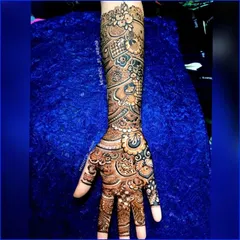
Intricate Mehendi Designs: A Closer Look at My Art
Bridal Mehndi Process: My Design & Application Techniques
 4
4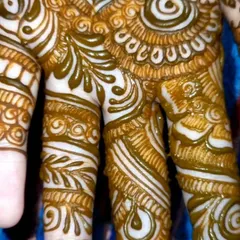
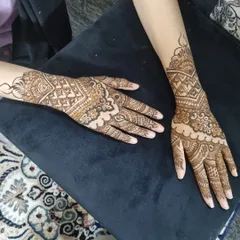
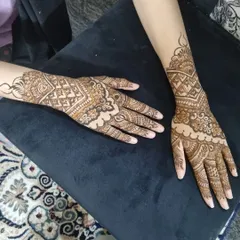
Close-up Mehndi Designs & Intricate Henna Art
Behind the Scenes of Professional Bridal Mehendi Artistry
More from Organic Henna Products by Krithika G
More services by Krithika G