Understanding Symbolism in Tanjore Painting
Tanjore art is more than just gold and color—it is a visual language. Discover the sacred stories hidden within mudras, symbols like the Shanku and Chakra, and the spiritual process behind every stroke.
Why is this art so precious? For 400 years, artists have used gold to tell the stories of our culture. Come be a part of this rich heritage.
This video explains the symbolism of the Shanku (conch), Chakra (discus), and Namam (sacred mark) of Lord Vishnu.
Every hand tells a story. This video shows the painting of hands of various gods and goddesses, each with its own symbolic gesture or mudra.
A short guide on how to preserve your Tanjore and Mysore paintings so they can last for generations.
We have this beautiful Lakshmi Narasimha course starting in July. This is going to be an advanced course. They will be teaching you the entire embossing techniques, double embossing, gold, painting techniques, and how to give a lot of shading. So it's going to be a lot of fun. And we also have Goddess Gajalakshmi. Goddess Gajalakshmi is for beginners. This is also going to start in July. We have a studio course in Bangalore as well as an online course. So please DM us for details or just leave a comment and we'll send all the details to you.
Sharing the behind-the-scenes of our shoots. It takes a big team with lights, camera, and action to create a beautiful video course.
Teaching this art is an absolute blessing. It’s so nice to see so many of you here to continue our Indian art and traditions.
About Beyond the Canvas: Art, Symbolism & More
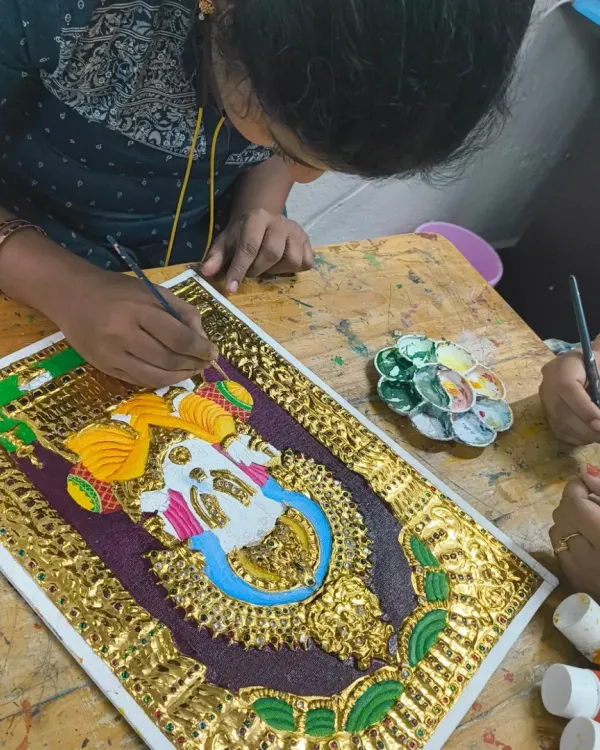
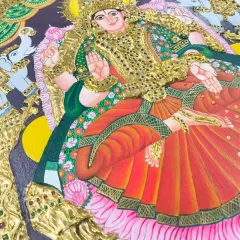
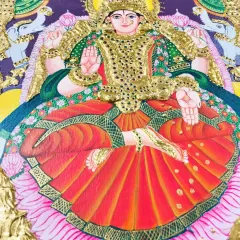
When you look closely at these pieces, you will notice the 3D relief work—we call it 'muck work.' It is not just about decoration. In traditional Thanjavur art, this raised surface is crafted to hold the 24k gold foil, catching the light in a way that gives the deity a lifelike, luminous quality. It is the precise difference between a flat painting and a piece that feels alive on your wall, serving as a focal point for your pooja room or home sanctuary.
The Language of Symbols
Every element in a Tanjore painting is intentional. When we paint a deity, we are not just creating an image; we are telling a story. For instance, the Shanku (conch) represents the Panchajanya, symbolizing the sound 'Om'—the very sound of the cosmos. Similarly, the Sudarshana Chakra is more than a weapon; it is a symbol of protection and the destruction of negativity. Each mudra (hand gesture) you see in our collection serves as a silent guide to the deity's nature and blessings.
More Than Just a Craft
For our family, and for our students at the studio in Basavanagudi, this is a Sadhana (spiritual practice). You will find that the process of layering the board, applying the muck paste, setting the stones, and finally laying the 24k gold foil requires a level of patience that settles the mind. It is why so many of our students, who initially come just to learn a technique, find themselves staying because of the meditative calm they experience during class.
Preserving the Legacy
These paintings are designed to last for generations, but they do require care. Because we use organic materials like Arabic gum and real gold foil, we teach our students the proper way to preserve the work—keeping it away from direct moisture and using specific framing techniques to protect the relief work. Whether you are learning through our online modules or joining us for a live session, we pass down these same preservation secrets so your masterpiece remains a vibrant part of your home for decades to come.
Similar work from other experts
Browse through Curated picks from other experts on mytribe
A Guide to Indian Art: Decoding Traditional Styles
Traditional Tanjore Paintings
 12
12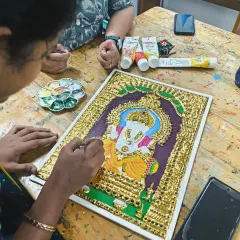
Master Traditional Indian Art Forms in Bengaluru
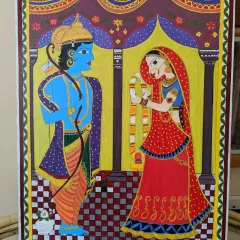
Traditional Indian Arts: Tanjore, Madhubani & More
 23
23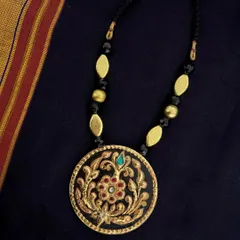
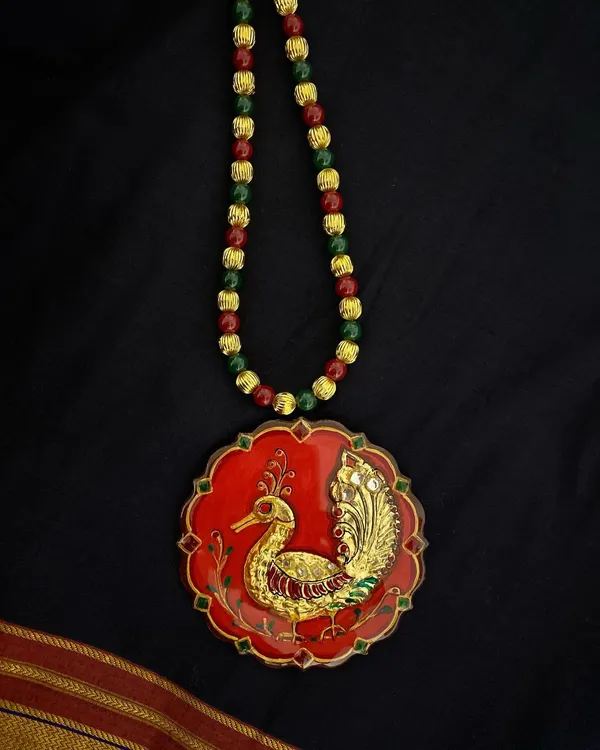
Tanjore Art: Wearable Royalty
 4
4
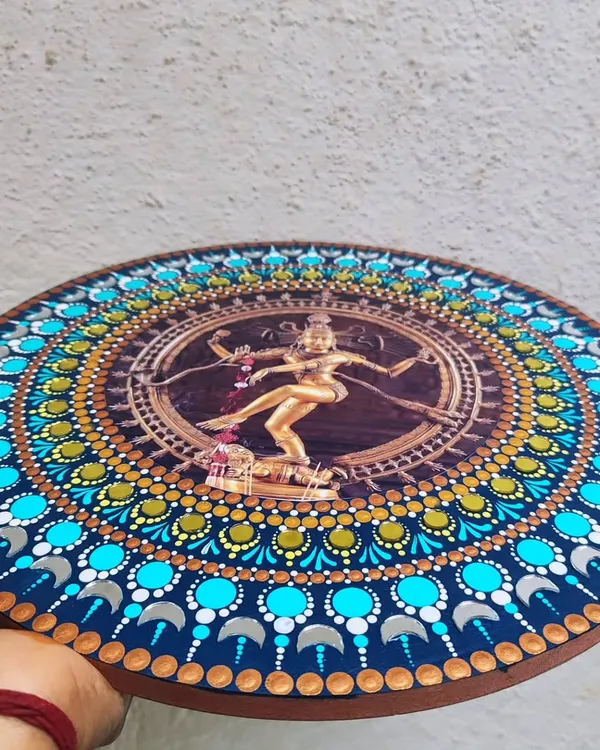
Traditional Hand-Painted Indian Canvas Art
More from Tanjore Painting Classes & Workshops by Tanjore Collective
More services by Tanjore Collective