Urban Infrastructure & Public Space Design
We approach public infrastructure not as a cold utility, but as an opportunity to shape human movement and restore the rhythm of the city through deliberate, context-sensitive design.
This render captures the sculptural quality of our pedestrian footbridge design. The structure is conceived as a gentle deformation of a simple rectangular tube, creating a dynamic form against the sky.
An aerial view showing how the footbridge spans a major highway. The design provides a safe and accessible pedestrian connection while creating a distinct visual marker in the urban landscape.
The interior of the footbridge reveals its complex geometric structure. The play of light and shadow through the triangulated frame creates a memorable experience for pedestrians.
The entrance to the footbridge is designed to be an inviting public space. The structure's form creates dramatic shadows on the paved ground, enhancing the sense of arrival.
The bridge's form is a direct result of a strategy to unify various performance requirements, including structural stability, accessibility, and visual impact.
The design incorporates escalators for accessibility and uses a combination of solid and perforated panels to provide shelter, views, and ventilation.
The bridge is more than just a crossing; it is an urban intervention designed to improve the pedestrian experience and contribute to the identity of the streetscape.
The design strategy involves the gentle deformation of a simple tube form, resulting in a structure that is both abstract and highly functional.
About Urban Interventions & Infrastructure
The pedestrian footbridge featured here demonstrates our belief that technical infrastructure can function as a sculptural landmark rather than just a crossing. By deforming a standard rectangular tube, we balanced the necessary structural stability and accessibility requirements while creating a spatial experience that invites pedestrians to pause instead of simply rushing through the city.
Our work in urban intervention starts by rejecting the notion that infrastructure is separate from the city fabric. We see cities as living, breathing entities, and any new intervention must acknowledge the existing layers of history, climate, and community usage.
The Thinking Hand Process
Before a single line is drawn, we engage in deep contextual study. This involves analyzing wind paths, sun angles, and the organic movement patterns of the neighborhood. The bridge design shown here is a direct result of this process. We utilized performative parameters to dictate form, ensuring that the structure serves its primary purpose of movement while also establishing a distinct visual identity within the urban landscape.
Integrating Function and Form
We specialize in master planning and urban renewal where the challenge is often balancing high-density requirements with the need for public open space. Whether we are designing township master plans or smaller public interventions like footbridges and plazas, our focus remains on human-scale design. We look for ways to weave private and public realms together, ensuring that our projects contribute to the community rather than standing as isolated objects. Our practice in Pune and Belagavi is rooted in this belief that good architecture creates better interactions between people and the built environment.
Similar work from other experts
Browse through Curated picks from other experts on mytribe
 37
37
Public and Community Spaces Design
 4
4
People-First Urban Design and Community Spaces
 17
17
Activating Public Spaces Through Design
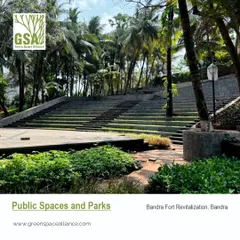
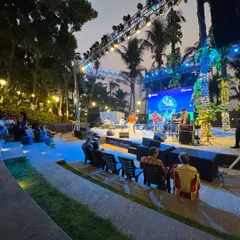
Public & Community Spaces: Design and Urban Revitalization
Spaces for People: Democratic Public Hubs and Social Architecture
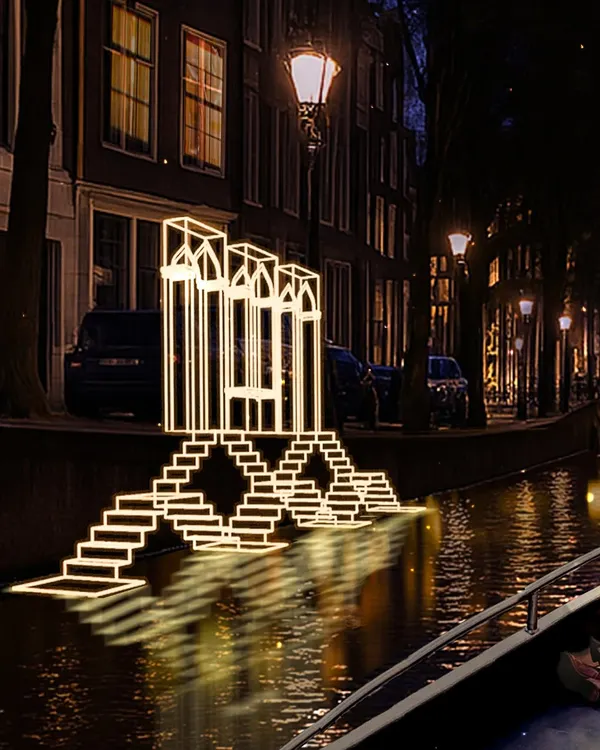 7
7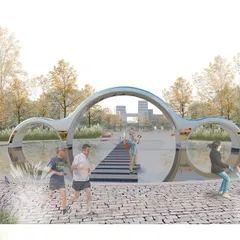
Reimagining Public Spaces: Community-Centric Urban Design
More from Urban Design & Master Planning by Thirdspace
More services by Thirdspace