Expert Academic Writing Tips: From Draft to Publication
Writing a research paper doesn't have to be a lonely struggle. Here are the practical, no-fluff strategies I use to help researchers sharpen their focus, fix their flow, and get their work published.
Tense usage in a manuscript can be tricky. In this clip, I explain the thumb rule: use present tense for established facts and past tense for your own methods and results. The discussion section is often a mix, and my advice is to keep it simple and use active voice whenever the journal allows.
Conciseness is key in scientific writing. This post gives practical tips on how to achieve it, like removing unnecessary words and using an active voice. For example, instead of "The report was written by John," simply say "John wrote the report." It's more direct and powerful.
Good writing does not need fancy words or complicated sentences. Using simple, clear language is a necessity in scientific manuscripts because it improves readability and reduces the risk of misinterpretation, making your work accessible to a wider audience.
Writing an abstract is about more than just summarizing. In this video, I explain the key points: it should follow a mini IMRaD structure, contain no new information or citations, and adhere strictly to the journal's word limits. Your abstract is the first impression, so make it count.
A question I get asked a lot: which section of a research article should you write first? My answer is always the Results. Your results are the hero of your paper's story, and writing them first helps you focus your analysis and ensures the rest of the manuscript is built around your core findings.
Here's an underrated tip for proofreading your own work: the "reverse reading trick." By reading your manuscript from the last paragraph to the first, you force your brain to see the text differently, making it easier to catch spelling, grammar, and logical errors you might otherwise miss.
This is my mantra: "Write without fear and edit without mercy." The first draft is for getting your ideas down on paper without judgment. The editing phase is where you become a ruthless editor, cutting and refining to make your work shine.
Becoming a better writer isn't a mystery. It's a skill acquired through consistent practice. This graphic outlines the key habits: read constantly, write every day, learn to proof your work, rewrite multiple times, and use the right tools to help you.
This checklist is your roadmap to becoming a better writer. It's not an inborn talent but a skill you build over time. From reading everything you can to rewriting your drafts several times, each step is crucial for mastering the art of formal manuscript writing and science communication.
To improve your writing, you need to play with different creative forms. If sentences feel restrictive, try using mind maps or vision boards to create a framework first. Your writing process doesn't have to be linear as long as you get the work done.
About Your Guide to Better Academic Writing
Proofreading your own work is usually tedious because your brain is wired to skip over your own mistakes. A simple trick that works every time? Read your manuscript in reverse, starting from the last paragraph and moving to the first. It forces your brain to process each sentence independently, making it much easier to spot typos, logical gaps, and awkward phrasing that you have been blind to until now.
Write Without Fear, Edit Without Mercy
Most researchers get stuck because they try to edit while they write. My advice is simple: the first draft is for getting ideas onto paper, not for perfection. Keep your inner critic quiet until you have the full structure in place.
The Anatomy of a Strong Manuscript
- Start with the Results: The results are the hero of your paper's story. If you are struggling with writer's block, start here. It anchors your narrative and tells you exactly what needs to go into the introduction and discussion sections.
- Kill the Fluff: Scientific writing demands precision. If a sentence doesn't contribute to the core meaning, cut it. I often reduce word counts by 30-40% for clients by simply removing filler words like 'basically' or 'really' and shifting from passive to active voice.
- Abstracts are Miniatures: Your abstract is the first impression a reader gets. It should follow a mini IMRaD (Introduction, Methods, Results, and Discussion) structure, contain zero citations, and never introduce information that isn't in the main text.
Why Professional Support Matters
Sometimes, you are too close to your own research to see where it breaks. I use my background in the life sciences to do more than just check grammar. I look at the logic flow, suggest journal options based on your field, and help you draft response letters for reviewers. Whether you need a standard language check or a deep dive into plagiarism reduction and structure, I am here to help you get your work ready for submission without the usual stress.
Similar work from other experts
Browse through Curated picks from other experts on mytribe
Practical Writing and Editing Tips for Aspiring Authors
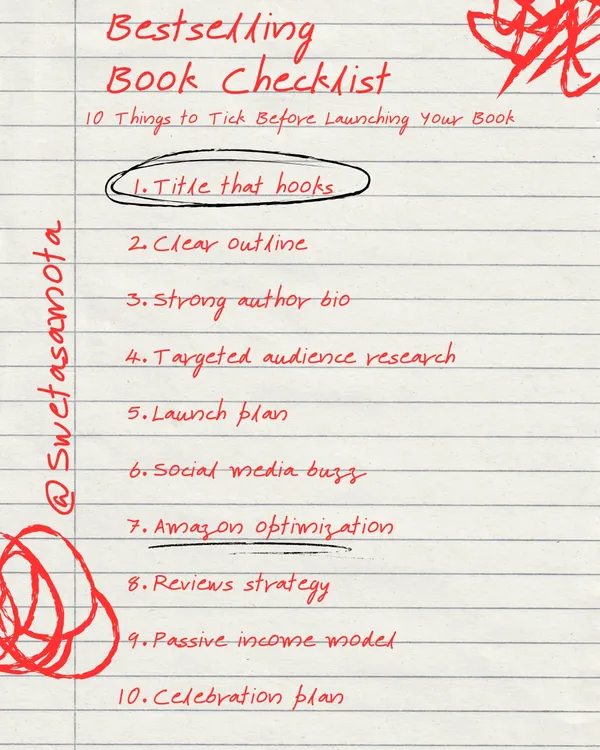 31
31The Author's Toolkit: From Blank Page to Published Book
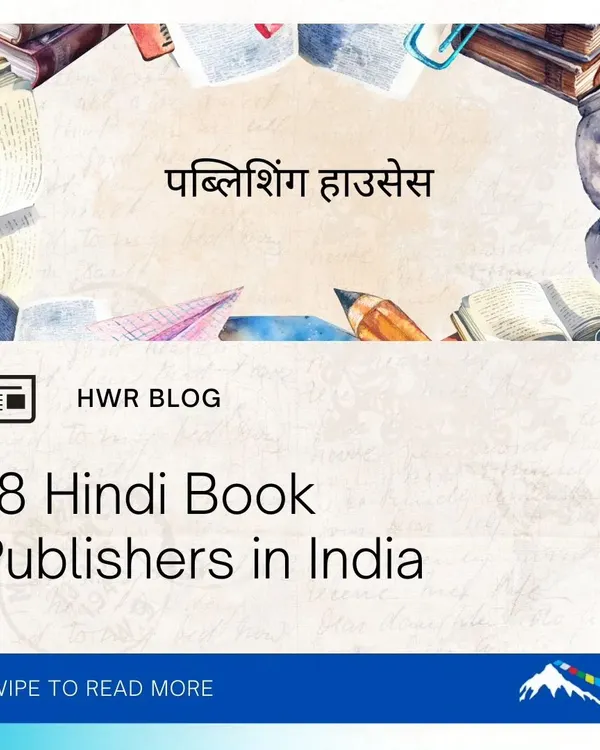 55
55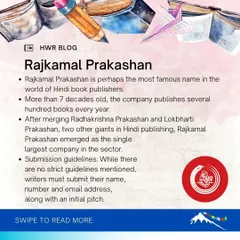
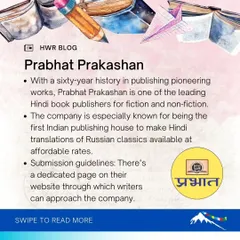
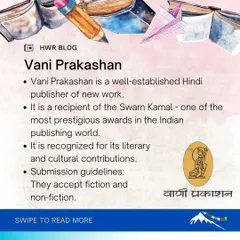
Writing Resources: Opportunities, Publishing Guides, and Contests
 32
32
Quick Creative Writing Tips & Prompts

Free English Lessons and Practical Tips
Practical Law Student Guidance: Exam Tips & Career Advice
More from Academic Manuscript Editing by Sowmiya Rani
More services by Sowmiya Rani