Cultural and Exhibition Architecture in Bangalore
Designing for culture is about shaping how people encounter art. We focus on lighting, spatial narrative, and visitor flow to ensure the architecture serves the exhibition.
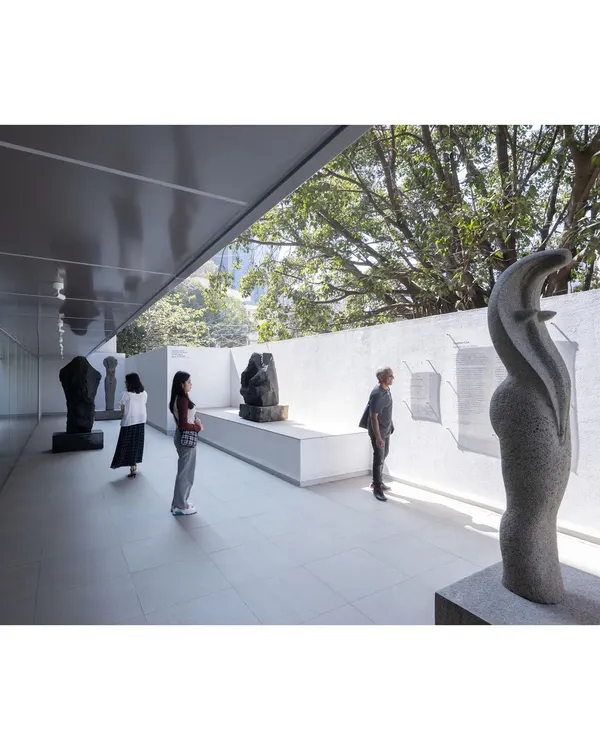
The entrance gallery at the Museum of Art & Photography (MAP) in Bangalore, featuring sculptures by Stephen Cox. The space is designed as a transitional zone, preparing the visitor for the experience within and showcasing the powerful dialogue between art and architecture.
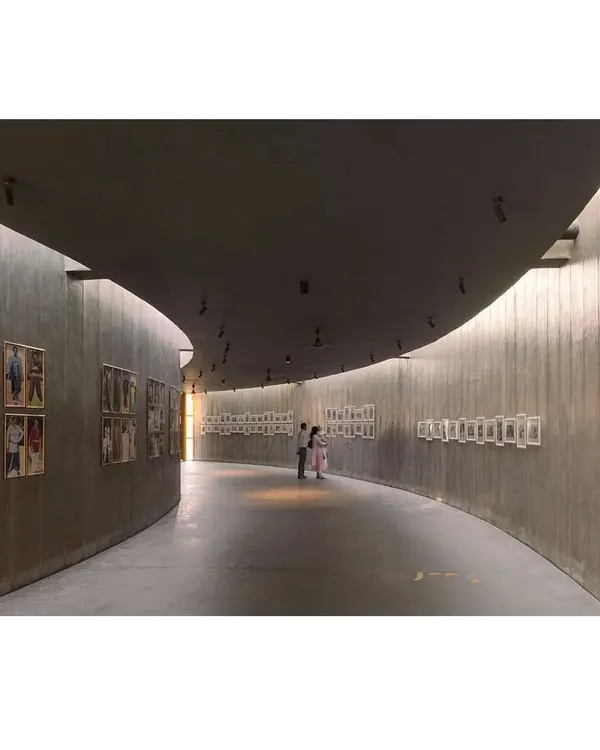
A walkthrough of various gallery spaces, showing how different lighting, scales, and layouts are used to display a wide range of art forms. The design includes custom display furniture and carefully planned sightlines to enhance the viewing experience.
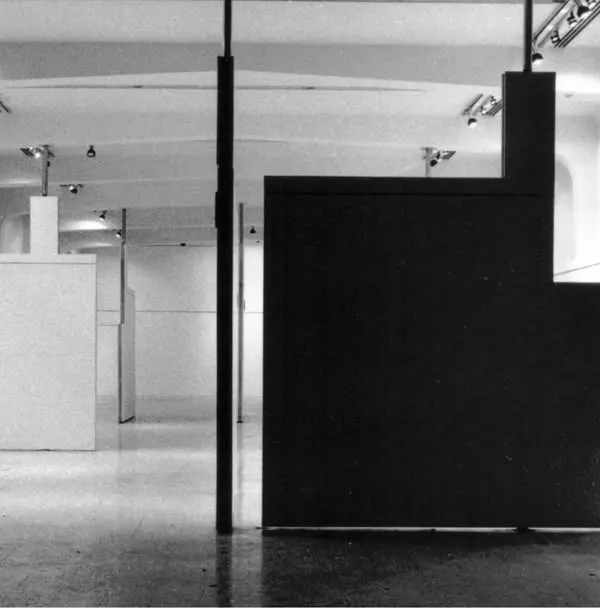
The "Small is beautiful - a billion stories" exhibition, designed for the London Design Biennale and later shown in India. The design uses modular display panels and focused lighting to present complex ideas in an accessible and engaging format.
A sculpture by Stephen Cox is given a place of honor at the MAP preview, set against a bed of marigolds. This installation highlights the integration of cultural traditions and contemporary art within the museum's architectural framework.
Another view of the Stephen Cox sculptures in the semi-outdoor gallery at MAP. The design uses the building's transparent facade to connect the art inside with the city outside, making the museum a porous and inviting public space.
The artist Stephen Cox himself tending to his sculpture at the museum preview. This moment captures the collaborative spirit of the project, where the architect, artist, and institution work together to bring the space to life.
A monumental wooden sculpture by artist L.N. Tallur, displayed within a gallery at MAP. The high ceilings and neutral palette of the interior architecture provide a powerful backdrop for large-scale contemporary art.
A towering sculpture by artist Arik Levy commands the atrium space at MAP. The architecture was designed to accommodate such large, impactful pieces, creating dramatic vertical views through the different levels of the museum.
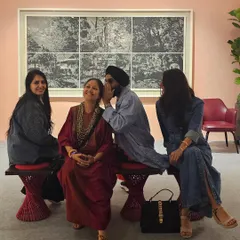
An overview of the "Small is beautiful" exhibition layout. The open plan, punctuated by custom stools and large-format digital screens, creates a flexible environment for learning and interaction, reflecting the exhibition's theme of sustainable innovation.
Leading an architect's walk through the Museum of Art & Photography. Sharing the design narrative and the thinking behind the building's architecture and its relationship with the art it houses is a key part of my practice.
About Cultural & Exhibition Spaces
When we design for art, we prioritize sightlines and the psychological transition from the street to the gallery. We do not build static rooms for display; instead, we construct a deliberate narrative flow, using material shifts and lighting to dictate how a visitor moves through and interacts with each piece.
Designing a cultural space requires an understanding that the architecture must recede to allow the art to breathe. In our work, such as the Museum of Art and Photography, we treat the building as a porous, inviting structure where the city interacts with the interior. We focus on how a visitor walks through a gallery, ensuring that lighting is calculated to reveal the character of the object, whether it is a small sculpture or a massive installation.
Our approach is highly collaborative. We work closely with artists like Stephen Cox and L.N. Tallur, treating the placement and framing of their work as part of the initial architectural sketch. This requires technical rigor: managing circulation paths, planning for heavy loads in atrium spaces, and ensuring that display furniture supports, rather than distracts from, the exhibition theme.
We also apply these principles to smaller, temporary exhibition designs. Whether presenting at the London Design Biennale or setting up local pop-ups, we use modular systems and honest materials to make complex stories accessible. Architecture, in this context, becomes a framework for memory and community, ensuring that each space remains grounded in the cultural fabric of Bangalore while functioning as a modern institution.
Similar work from other experts
Browse through Curated picks from other experts on mytribe
 35
35
Museum & Art Gallery Architectural Design
 74
74
Public and Cultural Architecture that Shapes Community
 8
8
Public & Cultural Architecture
Cultural and Civic Architecture for Public Spaces
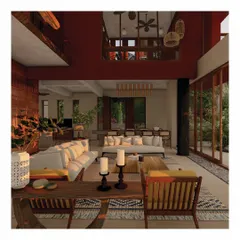
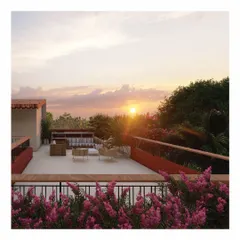
Design Concepts & Architectural Storytelling
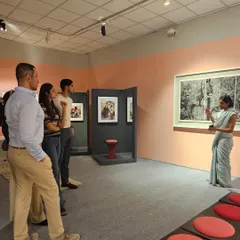
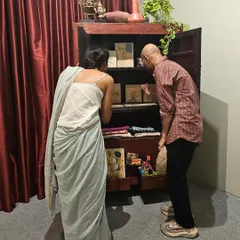
Narrative-Driven Exhibition and Event Design
More from Interior & Product Design by Soumitro Ghosh
More services by Soumitro Ghosh