Yoga and Mobility for Cricketers
A long cricket career relies on a durable body. My training integrates essential mobility, recovery, and yoga to keep players performing at their peak.
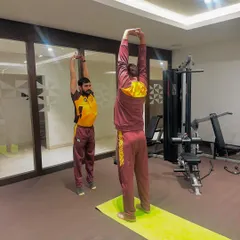
We begin many mornings with the traditional Surya Namaskar. The twelve poses in this sequence help improve flexibility, strength, and mental focus, preparing the body and mind for the day's training.
A closer look at our players performing the Surya Namaskar. This practice is a full-body workout that also instills a sense of discipline and mindfulness.
Celebrating International Yoga Day at the academy. Yoga is an integral part of our training, helping players with balance, flexibility, and mental calmness.
Players performing thoracic mobility exercises during our F2 Camp. A mobile upper back is crucial for bowlers to generate pace and for batsmen to play powerful shots, all while reducing the risk of shoulder injury.
A single-leg balance activity using a foam roller. This challenging drill from our F2 Camp builds ankle stability, core strength, and balance, which are vital for every cricketer.
Players performing a single-leg hip raise on a foam roller. This exercise strengthens the glutes and hamstrings, key muscles for generating power in running, batting, and bowling.
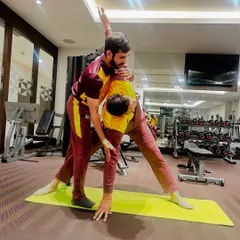
A core and flexibility session from our F2 Camp. These exercises are designed to build a strong, stable core, which is the center of all athletic movements in cricket.
A cool-down is not optional; it's essential. This poster and video show our post-training cool-down routine, which helps reduce muscle soreness and aids in faster recovery.
Assisted foam rolling session during our F2 Camp. This recovery technique helps release muscle tightness, improve blood flow, and prevent injuries.
Players using foam rollers to target their quadriceps and IT bands. Proper recovery is a key part of our professional training approach.
About Yoga, Mobility & Injury Prevention
You can have the best batting technique, but a stiff body will break under match pressure. I do not just teach yoga for the sake of it, I use specific thoracic mobility drills and foam rolling to help you generate bowling pace and prevent the common shoulder and hamstring injuries that end seasons early.
At Smart Cricketers Academy, we treat recovery as a discipline, not an afterthought. A cricketer's career depends on their body's ability to withstand repetitive stress. If you ignore your recovery, you are waiting for an injury to happen.
My sessions focus on proactive care through three main pillars:
-
Mobility and Flexibility: We use Surya Namaskar during our 6 AM Club sessions to build the spinal flexibility required for agile fielding and fluid strokes. We focus on thoracic mobility, which is the secret to bowling pace and avoiding rotator cuff issues.
-
Injury Prevention: We integrate sport-specific routines, such as single-leg balance drills using foam rollers. This builds the ankle stability and core strength needed for a balanced bowling run-up and stable batting stance.
-
Structured Recovery: Foam rolling is mandatory here. By releasing muscle tightness and improving blood flow, we ensure you can show up for practice the next day ready to perform. We also teach you post-training cool-down protocols to reduce muscle soreness.
Whether you are training for the local leagues or looking to go pro, these routines are non-negotiable. I want you to be an athlete, not just a player who relies on talent alone. If you are ready to put in the work off the pitch to get better results on it, I am here to guide you.
Similar work from other experts
Browse through Curated picks from other experts on mytribe
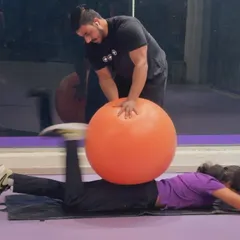
Injury Prevention & Recovery Training for Cricketers
Flexibility and Mobility Training
Injury Prevention and Movement Efficiency for Cricketers
Active Recovery & Injury Prevention Strategies
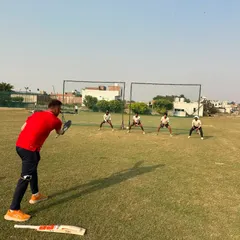
Athlete Conditioning & Injury Prevention for Cricketers
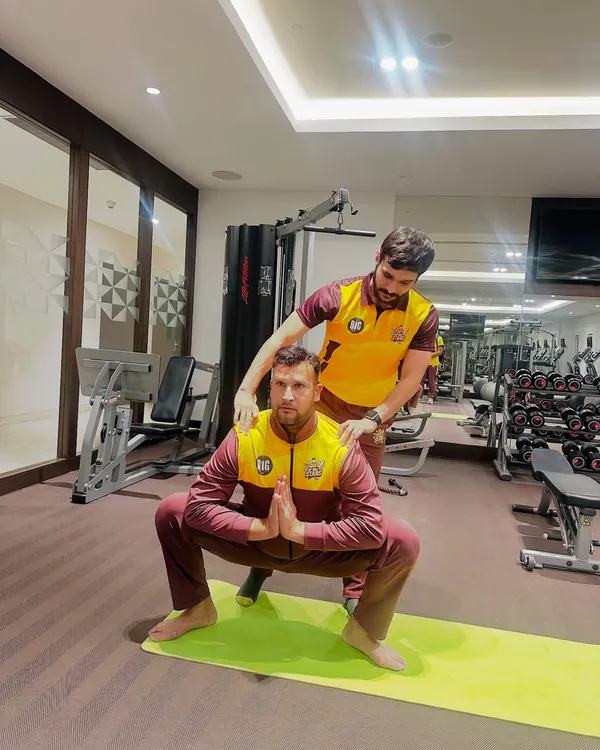 20
20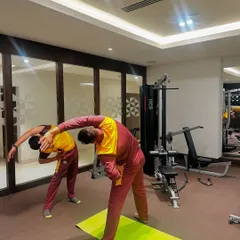
Professional Sports Therapy and Injury Rehab in Delhi NCR
More from Comprehensive Cricket Coaching Program by Smart Cricketers Academy
More services by Smart Cricketers Academy