Expert Hair Loss Diagnosis and Scalp Analysis
We do not guess with your hair. Before recommending any treatment, we look at the clinical evidence, including your hormones, scalp health, and nutrient levels, to find out exactly why you are losing hair.
Many patients come to us after trying countless topical remedies like onion oil or rice water with no success. The truth is, hair fall often starts from within. In this video, I explain why a proper diagnosis, including checking vitamin and iron levels through blood tests, is the critical first step before any treatment can be effective.
The first step in our clinic is always a thorough consultation. Here, you can see me performing a detailed scalp analysis for a patient concerned about hair fall. This allows us to understand the specific pattern and condition of your hair loss, which is essential for creating a personalized and effective treatment plan for male pattern baldness or other conditions.
About The First Step: Diagnosing Your Hair Fall
Most people walk in asking for a specific procedure like PRP, but we rarely start there. Before we touch a needle, we use digital trichoscopy to magnify your scalp and check your follicular density. It is a 30-minute diagnostic session where we map out your hair history and check for underlying triggers like thyroid fluctuations or iron deficiency. Think of this as a roadmap, we need to know where we are before we decide how to get to full, healthy hair.
Hair loss is rarely just a local issue on your scalp. In our experience, it is often a sign of an internal imbalance that requires a clinical look. When you come in for a consultation, we move beyond the symptoms to find the trigger.
Why a Proper Diagnosis Matters
Many patients attempt home remedies like onion oil or random supplements for months, only to see the thinning progress. By the time they reach us, the follicles may be dormant. Our approach is to reverse this. We use digital trichoscopy to identify miniaturization—the process where hair shafts become thinner over time—which is often the first sign of male pattern baldness or hormonal hair loss in women.
What We Evaluate
During your session, we look at three main areas:
- Scalp Health: We check for inflammation, dandruff, or fungal issues that might be choking hair growth.
- Nutritional Markers: We often review blood work to check for iron, Vitamin D, and Vitamin B12 deficiencies that are common in urban lifestyles.
- Hormonal Patterns: Especially for PCOS or thyroid-related hair fall, understanding the hormonal landscape dictates whether we suggest medical management or procedural intervention.
Your Treatment Path
Once we have the data, we build your plan. This might mean starting with FDA-approved topical solutions to stabilize hair fall, or it could lead to advanced options like GFC or PRP hair regrowth therapy if we determine your follicles need an extra push. If the loss is advanced, we discuss FUE hair transplant options. The goal is always to provide a clear, honest expectation of what can be achieved, ensuring you do not waste time or money on solutions that do not fit your specific biology.
Similar work from other experts
Browse through Curated picks from other experts on mytribe
Finding the Root Cause of Hair Loss


Understanding Your Hair and Scalp Health

Identifying the Root Cause of Hair Loss
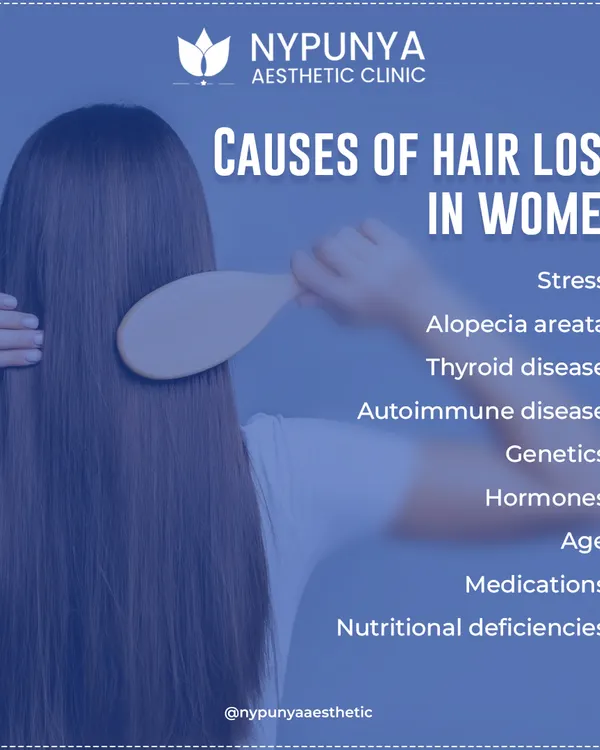 7
7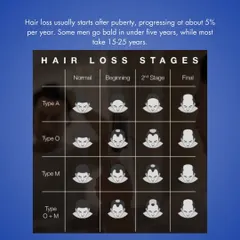
Understanding & Managing Hair Loss: A Science-Backed Approach
 4
4
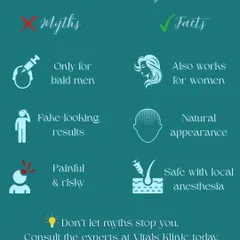
Understanding Hair Loss: Causes, Myths, and Solutions
Understanding and Treating Hair Fall
More from Hair Restoration by Skinspire Clinic