Understanding and Treating Hair Fall
Hair fall is a symptom, not a diagnosis. I look beyond the surface to identify root causes like hormonal shifts, nutritional gaps, or lifestyle factors to build a treatment plan that actually works.
Are you experiencing hair fall? The cause might surprise you. Simple things like hot showers, not washing your hair often enough, hormonal imbalances like thyroid issues, nutritional deficiencies, and stress can all contribute to hair loss.
Healthy hair requires a balance of oil, water, and protein. Protein provides structure, while oils help seal in the water to keep hair hydrated. If your hair is rough and frizzy, it might be a sign that the protein is compromised, often from heat or chemical treatments.
Many people buy expensive shampoos for hair fall, but a shampoo's main job is to cleanse the scalp. If your hair fall is due to internal issues like hormonal or nutritional imbalances, no shampoo will solve the problem. It's about setting the right expectations and finding the real cause.
The hairline is a delicate area. To protect it, I advise avoiding tight ponytails, applying hair serums directly to the area, and using a shower cap to keep it from getting wet and needing restyling. Small daily habits make a big difference in preventing breakage.
Hair fall is often most noticeable along the hairline for several reasons. This area is sensitive to hormones, accumulates more sweat, and is subjected to repeated heat styling and pulling from tight hairstyles, which leads to breakage and thinning.
Whether you're covering greys or getting fashion colors, it's important to protect your hair and scalp. I always apply a barrier cream along the hairline, color from back to front to protect the delicate front hairs, and use a heavy conditioner afterward.
Just like skin, hair also ages. The hair root becomes thinner, the growth cycle shortens, and the scalp loses collagen, reducing its ability to nourish the hair. Hormonal shifts, especially during menopause, can accelerate this process, leading to thinner, weaker hair.
Three big mistakes are damaging your hairline: tying your hair too tight causing traction alopecia, repeatedly ironing damp hair, and using hair attachment clips in the same spot. These habits cause breakage and hair loss in an already sensitive area.
If you have an oily scalp and frizzy hair, especially in humid weather, it's important to manage the oil. An oily scalp can feed dandruff and cause inflammation, leading to hair fall. Using a salicylic acid-based shampoo or treatment can help clarify the scalp.
Have you noticed your skin and hair changing when you travel? Hard water, which is high in minerals, can be the culprit. It causes buildup, leading to dry skin, irritated scalp, and frizzy, brittle hair. A water softener or using drinking water for washing can help.
About Understanding & Treating Hair Fall
The most common mistake? Treating hair fall with a shampoo. A shampoo's job is to cleanse your scalp, not stimulate growth. When you come to me, we don't guess. We look at your blood markers, scalp health, and lifestyle to identify if it is hormonal, nutritional, or stress-driven. Only after we understand the 'why' do we consider targeted treatments like GFC, PRP, or laser therapies.
Hair fall is complex, and the solution is rarely one-size-fits-all. It can be triggered by thyroid issues, iron deficiency, extreme stress, or even mechanical damage like traction alopecia from tight hairstyles. My approach centers on getting the diagnosis right before starting any procedure.
My Diagnostic Approach
We start with a thorough audit. We look for inflammation around the hair follicles, checking if your scalp is oily or suffering from buildup. We analyze your hair cycle—are your roots weakening, or is the falling phase simply accelerated? If the issue is internal, we address it with lifestyle changes and necessary supplements. If the issue requires medical intervention, I use methods that show real, measurable results:
- Growth Factor Concentrate (GFC) & PRP: Using your body’s own growth factors to arrest hair fall and stimulate dormant follicles.
- 1540 Fractional Laser: An FDA-approved, non-invasive way to improve scalp circulation and boost follicle health.
- Needle-free Options: For those who prefer avoiding injections, we have specific light-based protocols that are equally effective.
Daily Rituals Matter
Medical treatment is only half the battle. Your daily habits determine the long-term success. I will guide you on:
- Scalp Hygiene: How to manage oily scalps without causing inflammation.
- Chemical/Heat Safety: Protecting your hairline during coloring or blow-drying.
- Water Quality: Managing the impact of hard water if you live in or travel to areas with mineral-heavy water.
Let’s cut through the noise and figure out what your hair actually needs.
Similar work from other experts
Browse through Curated picks from other experts on mytribe
Understanding Hair Loss & Effective Regrowth Solutions
 6
6
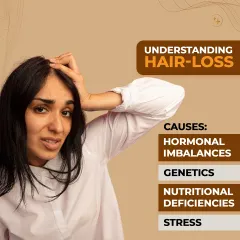
Understanding Hair Loss: Causes and Solutions for Indian Hair
My Evidence-Based Approach to Hair Loss Treatment
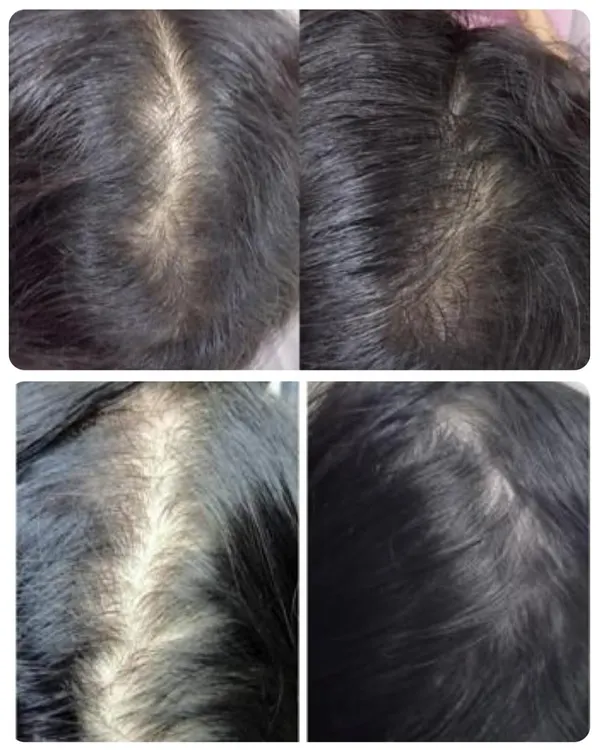 5
5Hair Fall & Scalp Health Solutions
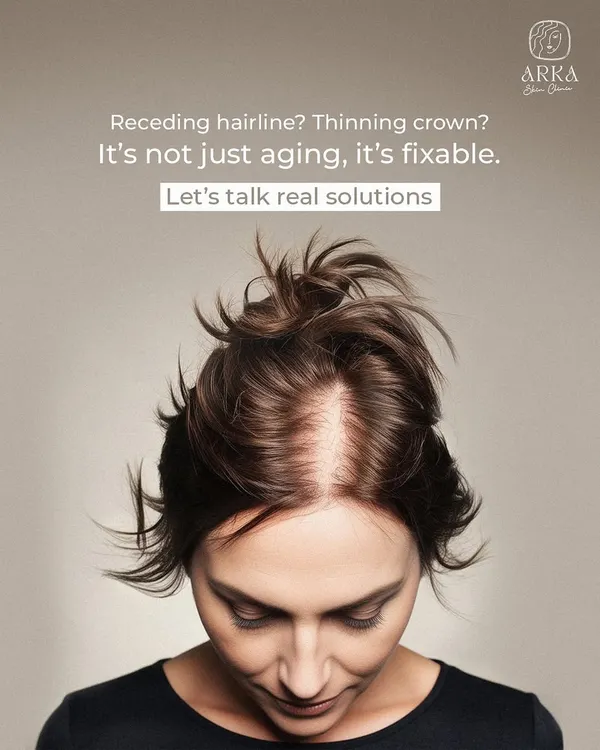 16
16
Hair Loss & Scalp Health Solutions
Advanced Hair Regrowth Treatments and Scalp Care
More from Medical Dermatology for Skin & Hair by Rashmi Shetty
More services by Rashmi Shetty