Hair Care Myths Busted: Get Scientific Advice
Stop following viral trends that damage your scalp. Let's separate the facts from the noise with science-backed hair care.
There are so many myths and fear-mongering narratives online. This video highlights some common pieces of misinformation I am working to correct, from sunscreen causing vitamin D deficiency to shampoo increasing hair fall.
This or that? I make some quick, science-backed choices between common skincare and haircare options, like choosing chemical exfoliation over physical scrubs and preferring in-clinic procedures for acne scars over collagen powders.
Here are six common skincare and haircare mistakes to avoid. One of the biggest is applying oil on a flaky scalp, which is usually dandruff and will only get worse with more oil.
It can be a challenge to convince patients that a dermatologist's prescription is more reliable than an influencer's recommendation. I will always provide advice that is backed by years of medical training and clinical experience.
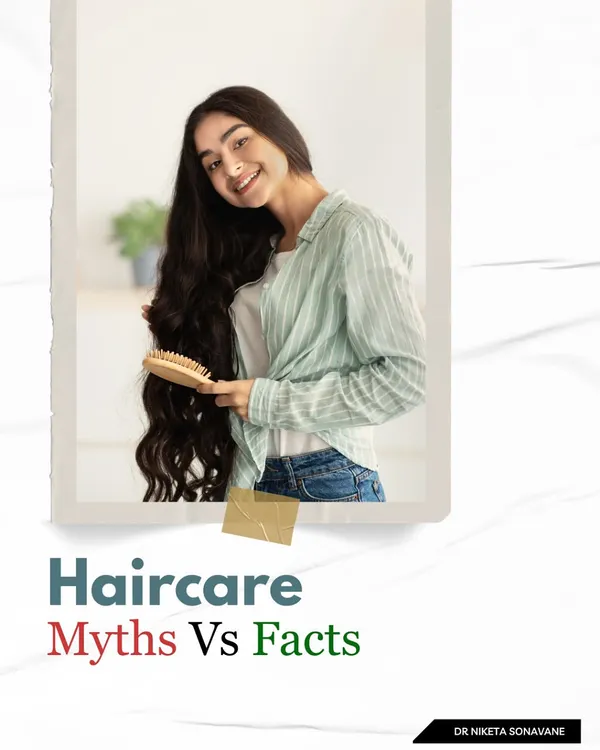
About Hair Care Myths vs. Facts
One thing I see constantly: patients oiling their scalps to 'fix' dryness. If you have flakes, that’s usually dandruff—a fungal issue—not simple dryness. Oiling a fungal infection is like pouring fuel on a fire. We need to stop the oiling, switch to the right anti-dandruff shampoo, and let the scalp breathe. Before you try another 'viral' hack, let’s look at your scalp under a dermoscope to see what is really happening.
The internet is full of hair care advice, but much of it is just marketing or, worse, harmful folklore. As a dermatologist, my goal is to help you stop the guesswork.
Why Your 'Dry' Scalp Might Not Be Dry
Many of my patients come in with a flaky scalp and assume they need heavy oiling. If you are seeing white flakes, it is often Seborrheic Dermatitis (dandruff). This is caused by an overgrowth of yeast on the scalp, which thrives on oil. If you apply coconut or almond oil on top of this, you are effectively feeding the fungus.
The Shampoo Paradox
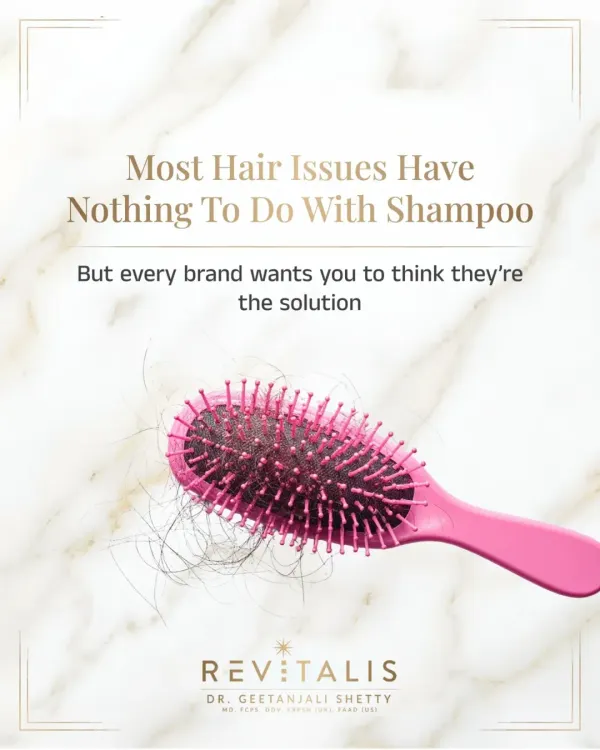
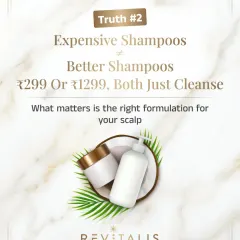
Another myth I constantly bust is that 'shampoo causes hair fall.' Shampoos are formulated to clean the scalp, not pull out hair. What you see in the drain is hair that had already shed and was just sitting there until you washed it. Using a clarifying shampoo, especially if you live in a hard-water area like Bengaluru, can actually improve your scalp health and reduce breakage.
When to See a Professional
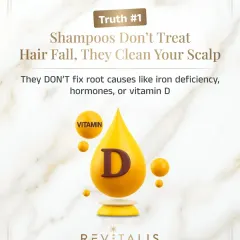
If you have been struggling with shedding or thinning for months, please don't wait for a 'magic' serum to work.
- Trichoscopy: We use a high-powered magnifying lens (dermoscope) to look at follicle health. This helps us distinguish between temporary stress-shedding and early-stage pattern baldness.
- Science-Backed Options: Whether it is topical finasteride, minoxidil, or non-surgical GFC therapy, we focus on treatments that have clinical evidence behind them.
I practice at Aiconic Skin Clinic in HSR Layout and Rainbow Children's Hospital in Sarjapura. My approach is simple: we identify the root cause first, then build a minimal, effective routine that actually fits your life. No 10-step routines, no DIY garlic or lemon experiments—just facts that work for your hair.
Similar work from other experts
Browse through Curated picks from other experts on mytribe
Hair Care Myths Debunked: Real Science for Your Scalp
 5
5
Hair Care Myths vs. Facts: What Really Works for Your Hair
Haircare Myths vs. Science: Get Real Medical Advice
 9
9
Hair Care Myths vs. Facts: What Really Works for Your Hair
Hair Care Myth-Busting: Science-Backed Facts for You
Hair Care Myths & Facts: Expert Advice
More from Hair Transplant & Hair Loss Treatment by Namrata Singh
More services by Namrata Singh