Pro DJ Tips and Techniques for Beginners
Stop guessing how to mix and start playing sets that actually work. Here are my raw, unfiltered tips from years behind the console—no fluff, just the techniques that get crowds moving.
Technical issues can happen to anyone, but being prepared is what separates a beginner from a pro. In this video, I share my top five practical tips for handling tech disasters, from doing a proper sound check to why I always carry backup USB drives.
We have all made mistakes when starting out. This is the intro to my series on the most common errors beginner DJs make, like overusing effects or ignoring song structure. I break down what not to do so you can build your skills faster.
Mistake number one is using low quality tracks. A poorly ripped MP3 or a 128 kbps file will make your bass sound muddy and the highs harsh on a professional sound system, instantly weakening the crowd's energy.
Understanding song structure is key to a smooth mix. If you ignore phrasing, intros, and breakdowns, you risk clashing vocals and mismatched sections, which makes your set sound messy and off beat.
Redlining, or letting your audio levels hit the red, causes clipping and distortion. This not only sounds terrible but can permanently damage the club's speakers and your hearing, so always watch your meters.
Effects are like seasoning, not the main course. It is tempting to overuse filters and reverbs, but it can quickly make your mix sound chaotic and overwhelm the listener. I teach you how to use them to enhance, not distract.
DJing is about creating a shared experience, not just playing your favorite songs. Learning to read the room and adapt your track selection in real time is what separates beginners from pros and keeps the party going.
About Pro DJ Tips & Tricks
Most beginners think louder means better, but constantly redlining your channels only introduces distortion that kills your sound quality on a big club system. I always tell my students to focus on gain staging instead. Keep your levels consistently in the green and yellow zones, save the true impact for the drop, and you will notice your mixes sound punchier and cleaner without wrecking the speaker system.
Building a Solid Foundation
Transitioning from your bedroom setup to a professional club environment is the biggest hurdle every DJ faces. It is not just about beatmatching; it is about preparation. My approach to DJing is rooted in disaster management and technical discipline. Whether you are prepping for a sundowner or a club night in Mumbai, your USB drive is your most important tool. I teach my students why the 'Link' function on CDJs can fail you and why carrying dedicated, backup USBs is non-negotiable.
Common Pitfalls I Cover
- Song Structure: Many DJs clash vocals because they ignore phrasing. I break down how to read a waveform so you know exactly when to mix out.
- Effect Overload: Using reverb and echo on every transition gets old fast. Learn when to let the track breathe and when to use effects as seasoning, not the main course.
- Crowd Reading: A track that kills it in Andheri might fall flat in Bandra. Understanding the vibe of the room and adjusting your track selection in real time is the difference between a playlist and a performance.
How I Can Help You
I offer two distinct ways to level up your skills. If you are stuck on technical issues, we can jump on a 60-minute virtual consultation where I audit your mix, check your Rekordbox settings, and give you a roadmap for your branding strategy. If you need hands-on practice, we can do a 3-hour private masterclass at a professional Mumbai studio using Pioneer CDJ gear. We will simulate real-world problems like gear heat issues or emergency mix switching, so you never freeze up behind the console.
Similar work from other experts
Browse through Curated picks from other experts on mytribe
Practical DJ Tutorials and Professional Gear Insights
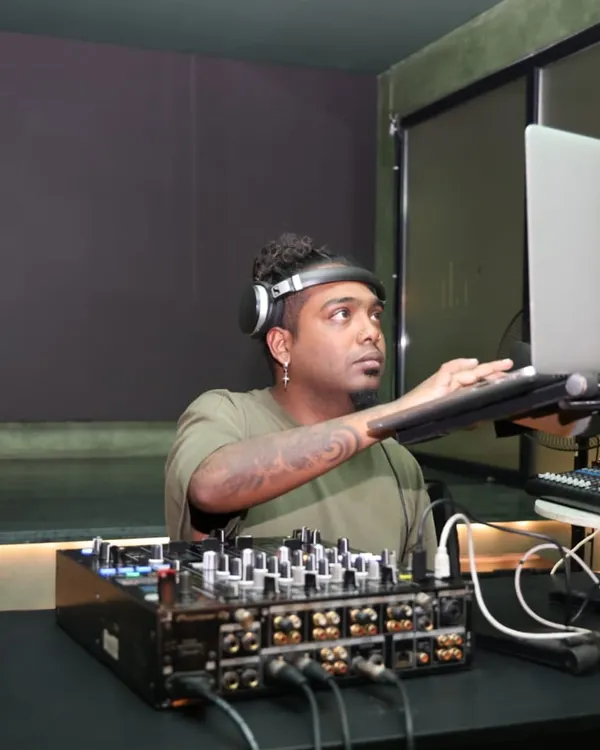
Master the Decks: Professional DJ Tips & Tricks
 4
4
Behind the Decks: DJ Training and Studio Sessions
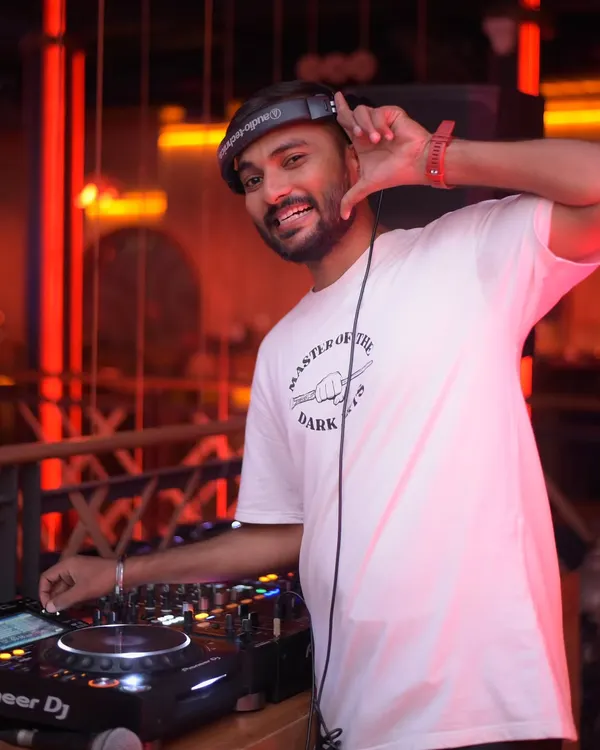
Behind the Decks: My Setup and Process
 32
32
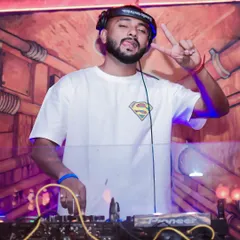
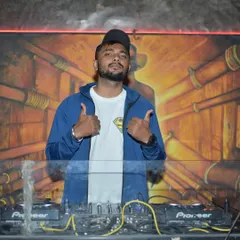
Behind the Decks: Professional DJ Setup and Technical Flow
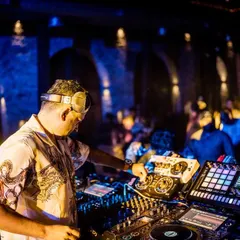
Live DJ Performances & Advanced Mixing Techniques
More from DJ Education by Shanaya S
More services by Shanaya S