Our Hands-On Robotics and Coding Classrooms
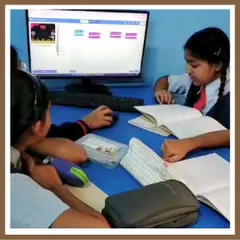
Step into our HSR Layout lab where screens become tools for creation. We keep our batches limited to 2-5 students so every child gets the dedicated space and attention they need to build, code, and solve problems.
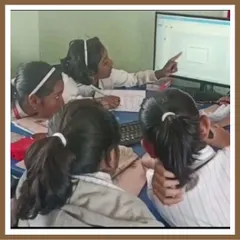
A glimpse into our interactive classroom where students are actively engaged in a lesson. We focus on building key skills like critical thinking, creativity, and collaboration through hands-on robotics projects.
An instructor leads a small group of students, demonstrating concepts in a dynamic and engaging way. Our focus on STEM skills like robotics helps prepare kids for future career success.
Young students collaborate around a table, working together on a robotics project. This hands-on experience is why children in our programs are more likely to choose future careers in STEM fields.
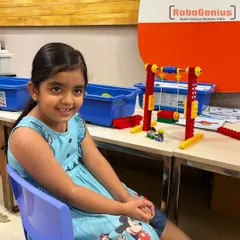
A group of young learners focused on their first robot. Our programs are designed to enhance creativity, innovation, and resilience from an early age, building a strong foundation for future learning.
An instructor at the whiteboard explains a concept to a classroom of engaged students working on their laptops. We equip students for the future with hands-on learning in our Robotics and AI labs.
This video debunks the myth that robotics is only for engineers. We show how kids can start learning at an early age with fun, hands-on activities that spark curiosity and build confidence.
This video simulates a chat with a parent, answering common questions about our robotics workshop. It highlights how our hands-on skills, coding exercises, and problem-solving focus benefit a child's future career path.
Learning should be joyful. This video shares three essential tips for parents: encourage hands-on exploration, integrate arts, and make learning a family activity, all of which are core to our teaching philosophy.
A young student confidently takes the microphone to ask a question during a competition. We foster an environment where curiosity is encouraged, helping kids build the confidence to lead conversations and think critically.
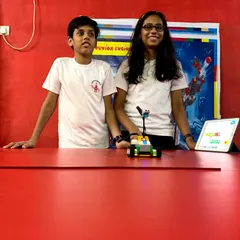
Two students work together to assemble and wire a complex project. This image captures the essence of our hands-on approach, where teamwork and practical application are key to learning.
About Our Hands-On Classroom
We do not just watch videos or read theory here. Your child sits down with a laptop and physical components from the first session. Because our batches are strictly limited to five students, I personally ensure each child understands the logic behind the code rather than just copying syntax. Whether it is debugging a Python script or wiring a circuit, they are doing the work, not just watching me do it.
When students walk into our center in HSR Layout, the first thing they notice is the lack of rows of desks. Our space is designed for collaboration. We believe learning technology requires active participation, not passive observation.
The Small Batch Advantage
By limiting our batches to 2-5 students, we solve a major challenge in standard coding education: the student who falls behind or the fast learner who gets bored. Every student gets individual code reviews. If your child is stuck on a logic loop in Python or a wiring issue with a sensor, they receive immediate, tailored feedback. It is about understanding the 'why' behind the technology.
Practical Curriculum
Our approach moves quickly from basics to application. We use Python as our foundational language because it teaches structured thinking and clean logic. Within a few sessions, students are building functional projects—whether that is a text adventure game or a basic web tool. We treat our students like young innovators, not just pupils.
Infrastructure for Growth
Whether they are using our in-center i3 or i5 laptops or connecting via our live online sessions, the environment is consistent. We provide printed curriculum sheets and whiteboard access to help visualize complex algorithms. The goal is to build a portfolio—whether that is a GitHub profile for future university applications or a physical robot that can navigate a maze. When they finish a level, they leave with a certificate and, more importantly, the ability to approach a blank screen and say, 'I know how to start.' That is the confidence that sticks.
Similar work from other experts
Browse through Curated picks from other experts on mytribe
Inside the Robomations Classroom
Robotics & Coding Classes for Kids in Bangalore
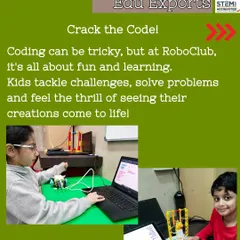
Where Kids Build, Code, and Grow Together
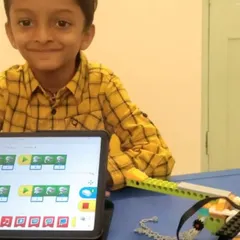
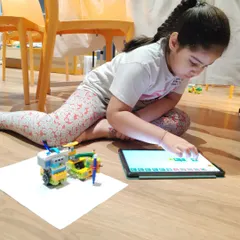
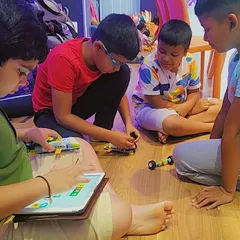
Robotics and Coding Classes for Kids
Robotics & Coding Classes for Kids
Robotics and Coding Classes for Kids
More from Python Programming for Kids by Roboprenr
More services by Roboprenr