Core and Spine Conditioning for Dancers
A strong core and a resilient spine are the foundation of every dancer's technique. My conditioning routines help you build stability and prevent injury, ensuring your movements remain fluid and powerful.
This is a sample of a complete core and spine routine. It includes movements that articulate the spine, engage the deep core muscles, and build the endurance needed for long rehearsals.
A healthy spine requires a balance of strength and flexibility. This sequence focuses on spinal mobility, hamstring stretches, and balance drills to create a supportive and supple back.
Adding light weights to movements like squats and side bends helps to strengthen the muscles supporting the spine. This exercise focuses on maintaining correct form while building core and back strength.
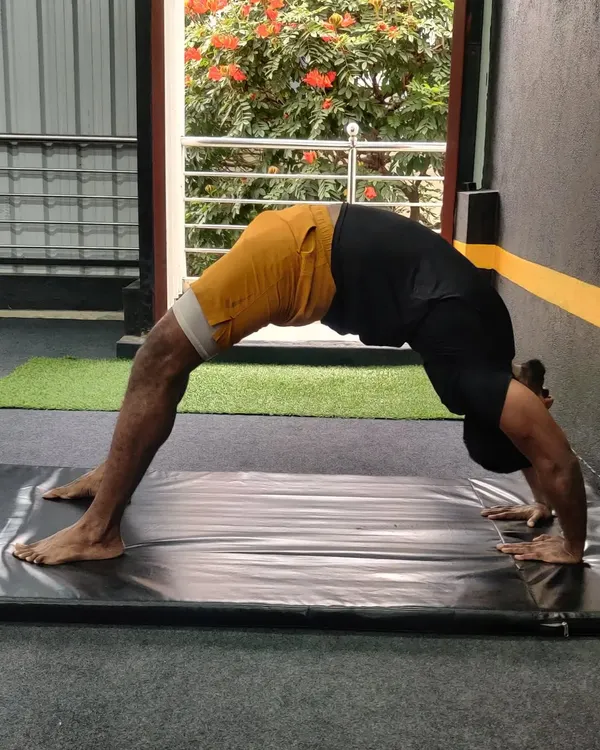
This slow, mindful sequence demonstrates spinal articulation through bridges and backbends. Moving with control is key to building awareness and strength, helping to release tension and improve flexibility.
A simple hang can do wonders for decompressing the spine and improving shoulder health. I am still working on my pull-ups, but this is an excellent exercise for any dancer to incorporate for spinal health.
Here, I combine dumbbell exercises with dynamic walking and core work. This makes the workout more engaging and challenges the core to stabilize the body through different movements.
About Core & Spine Foundation
You don't need a high-end gym to build the stability required for Kathak or Bharatanatyam. My routine uses everyday objects like wooden sticks for spinal alignment and bodyweight movements, which means you can practice these drills anywhere, even in the corner of your living room. It is about building a core that supports your art, not one that just looks good in a mirror.
Why Dancers Need This
As a practitioner of Bharatanatyam and Kathak, I know the toll repetitive footwork and complex spins take on the spine. If your core is not engaged, your lower back bears the brunt, leading to the stiffness many of us accept as part of the job. It should not be that way. My core and spine conditioning is designed to decompress the vertebrae and strengthen the deep abdominal muscles that hold you upright during long rehearsals.
My Approach
We move away from generic gym-bro fitness. Instead, we look at:
- Spinal Articulation: Using slow, mindful flows to mobilize the spine and release built-up tension from hours of posture-heavy training.
- Active Recovery: Incorporating Pilates-based floor work to engage the transverse abdominis without stressing the joints.
- Alignment Drills: Using props like resistance bands or even a simple broomstick to learn where your body should be in space, ensuring you do not lock your knees or pelvic tilt during your adavus.
Is This For You?
Whether you are a professional preparing for an annual showcase like Chalana or a beginner just starting to understand anga-shuddhi, these sessions are adaptable. You will not find mindless repetition here. You will find a method to connect with your center, allowing your nritta to become more effortless and your abhinaya to be more grounded.
Similar work from other experts
Browse through Curated picks from other experts on mytribe
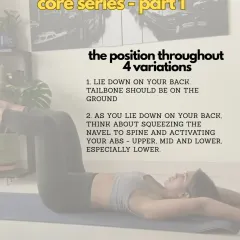
Core Strengthening for Dancers
Core Powerhouse Training for Functional Strength
Core and Stability Training in Bangalore
Classical Pilates for Real Core Strength
The Science of Core Strength and Spinal Health
 13
13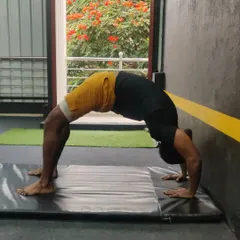
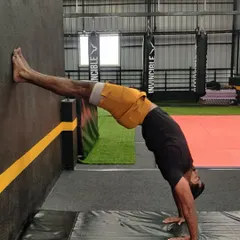
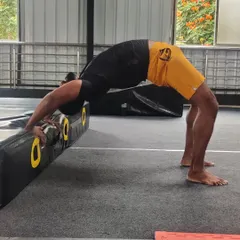
Flexibility and Core Conditioning Drills
More from Body Conditioning for Dancers by Rhythmotion
More services by Rhythmotion