Tarot Philosophy: Beyond Keywords
Stop memorizing card meanings and start understanding the psychology behind them. Shweta takes you into the history, archetypes, and logic of Tarot, where we don't just read cards, we interpret the human condition.
The Fool and the Magician both represent the 'trickster' archetype, but in different ways. One plays a trick on us, the other arranges a demonstration for us. Understanding these psychological archetypes is crucial for a deeper reading.
The Ten of Swords isn't just about betrayal; it's about the martyrdom of Hiram, Solomon's architect, who died to protect a secret. The card speaks to the cost of withholding precious knowledge and the strength of mind required to do so.
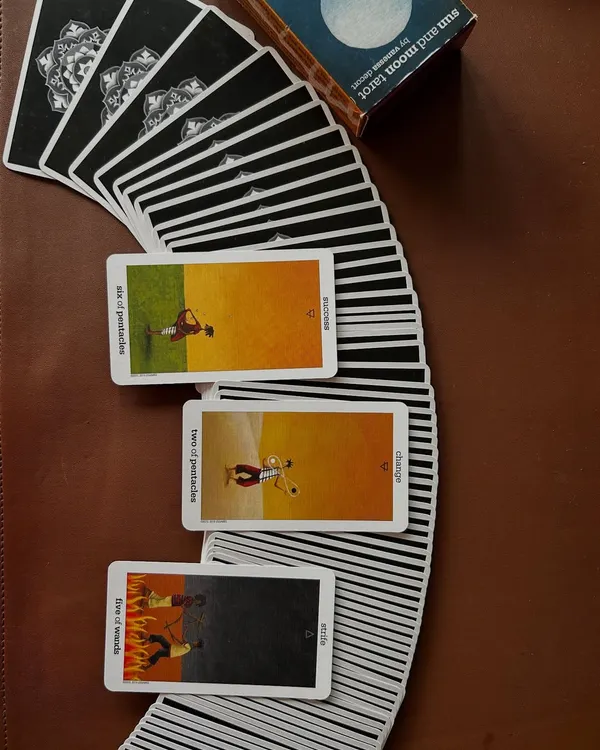
Look closely at the Six of Pentacles. Is it truly about charity, or is it a calculated move? This card is a commentary on materialism and power dynamics, forcing us to question our own motives when we give.
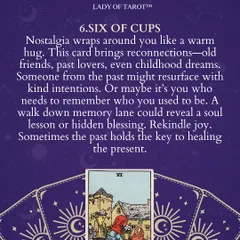
The Six of Cups speaks of nostalgia, but it also warns against getting stuck in the past. The flowers growing in cups, not the earth, suggest an unnatural containment of memories. It teaches us to honor the past without being trapped by it.
The Emperor card is deeply connected to the number four, a symbol of wholeness and stability. He represents the grounding force of human consciousness, helping us examine the reality of our condition in a creative way.
The Three of Wands, like the Fool, stands on a cliff edge, but his courage is more informed. This card teaches us to step back and gain perspective before taking action, a key lesson we explore in my Tarot & Psychology workshop.
"In the silence of the heart, God speaks." The Hermit embodies this journey of self-discovery. He is linked to the Jungian archetype of the Wise Old Man and teaches that to find answers, you must first find inner stillness.
"Art is the memory of feeling alive." The Empress is the creative force, a metaphor for how art reflects our inner world. She reminds us to let our passions flow freely, as the act of creation is a celebration of life itself.
The Nine of Pentacles teaches us to seek wealth, not just money. True wealth is the richness of life itself: freedom, a healthy body, a stimulated mind. Money is just the tool to achieve a life of fulfillment.
The Lovers card in the Renaissance Tarot is a beautiful depiction of Yin and Yang. It's not about choice, but about complementarity. The Sun-man and Moon-woman show that opposites complete each other, creating wholeness and harmony.
About Tarot Philosophy: Beyond Keywords
If you’re looking for a weekend fix or quick keyword lists, you won’t find them here. My approach is rooted in academic history and Jungian psychology, which means we spend 45 days dismantling your surface-level assumptions so you can actually interpret the cards, not just recite them. It’s intense, honest, and designed to turn you into a real Tarot scholar, not just someone who has memorized a deck.
The goal here isn't to make you a fortune teller; it is to make you a thinker. Too many people treat Tarot like a magic trick or a shortcut to life answers. When we look at cards like the Ten of Swords or the Six of Pentacles, we are not looking at static predictions. We are looking at architectural, psychological, and historical narratives.
In my 45-day Foundational Tarot Certification, we treat the deck as a library. You will learn the Renaissance origins of the cards and how Jungian archetypes function within your own psyche. We talk about the 'shadow work' that most readers ignore because, quite frankly, it is uncomfortable. You will feel that withdrawal energy toh hai, but that is the point.
My workshops, like the 2-Day Live Intensive, are built for those who want to use Tarot as a psychological projection tool. We break down card imagery and trigger points so you stop viewing the cards as a separate external force and start seeing them as a mirror. If you are ready to put in the work, challenge your ego, and stop relying on surface-level meanings, you are in the right place. We are going to dig deep, look at the messy parts, and build a practice that actually has weight.
Similar work from other experts
Browse through Curated picks from other experts on mytribe
 37
37
Tarot as a Soul Strategy: A Guide to the Cards
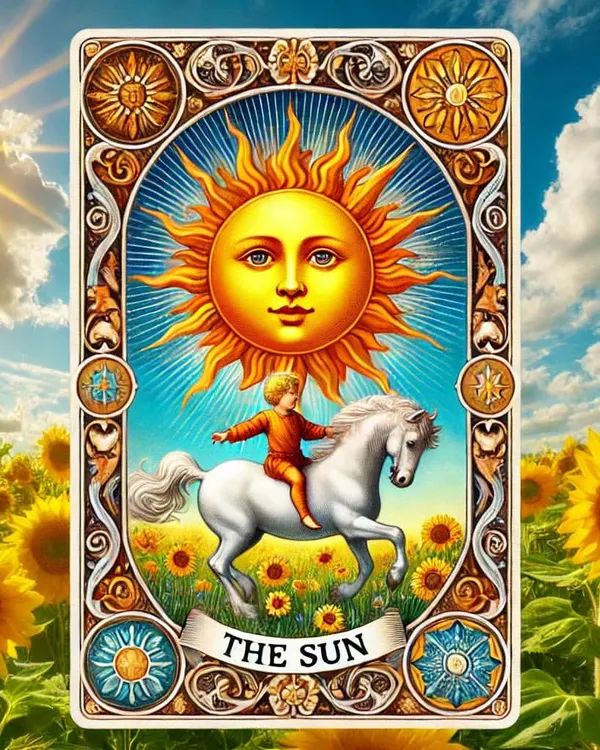 6
6
The Wisdom of the Cards: Learning Tarot with Indian Insight
Learn Tarot From Scratch
Understanding the Tarot: Moving Beyond Prediction to Soul Strategy
My Approach to Tarot & Spiritual Guidance
 5
5
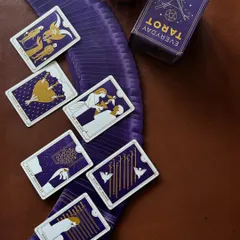
Finding Clarity with Reflective Tarot Lessons
More from Tarot Courses & Workshops by Shweta
More services by Shweta