The Science of Performance: Evidence-Based Training Insights
Real progress isn't about guesswork. We break down the biomechanics and recovery protocols behind our training so you can move with purpose, avoid injury, and actually reach your goals.
Training hard but not seeing results? You might be overtraining without enough recovery. This video explains the four most common mistakes people make, covering the importance of deload weeks, sleep, nutrition, and having a structured plan.
Forefoot, midfoot, or rearfoot strike? Our physiotherapist breaks down the science behind different running foot strike patterns, their biomechanical implications, and why there's no single "best" style for everyone. The key is to find what's natural for you and strengthen it.
Too busy to stay fit? This video shares three powerful habits that the busiest people use to stay in top shape: meal prepping, efficient high-intensity workouts, and habit stacking. Make your fitness routine work for your schedule.
Your glutes are your powerhouse, but most people only train one of the three muscles. This video breaks down the gluteus maximus, medius, and minimus, and explains why you need to train all three for true strength, stability, and control.
To target your glute maximus, the largest of the three glute muscles, we recommend exercises like the barbell Romanian Deadlift (RDL). This video demonstrates the proper form for this powerful posterior chain movement.
To hit the glute medius and minimus, which are crucial for hip stability, we use exercises like banded lateral walks and side-lying hip abductions. This video shows you how to perform these movements correctly for maximum benefit.
The single-leg squat is a fantastic exercise that works all three glute muscles together, building strength and control under load. This video demonstrates the movement and its importance for overall gluteal power.
The key takeaway for glute training: control is more important than weight, and tempo is more important than ego. This video summarizes our philosophy of training the muscle, not just the movement, for better posture and fewer injuries.
This graphic introduces the key strength methods we use to train athletes. Understanding the science behind different training protocols is the first step to building a well-rounded, high-performing athlete.
The Submaximal Effort Method, using moderate weights for 5-10 reps, is excellent for building muscle endurance and size (hypertrophy). It's perfect for team sport athletes who need a balance of strength and stamina.
About The Science of Performance: Our Educational Content
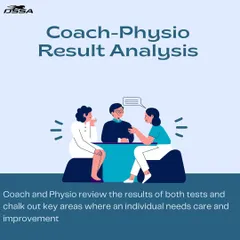
If you are consistently sore but not seeing performance gains, stop increasing your intensity. You likely need a deload phase, not more reps. At RSF, we use data—like handheld dynamometers—to identify exactly where your strength imbalances are, so you train for your specific body, not just a generic gym program.
Why We Don't Use Cookie-Cutter Programs
Most training failures happen because the program doesn't match the individual's physiology. We see people come in from generic gyms having hit a plateau because they are training the movement, not the muscle.
Our philosophy is rooted in sports science. We assess, test, and then build. When you land on this page, you are seeing the same principles we apply to our pro athletes:
- Data-Driven Assessment: We use isometric battery tests and force testing to baseline your strength, mobility, and injury risk.
- Muscle-Specific Focus: We don't just focus on the 'big' lifts. If you want true stability, you have to train the smaller stabilizers—the glute medius and minimus, the rotators, and the deep core.
- Recovery as Training: Rest isn't downtime; it is an active part of your performance plan. We help you manage your sleep, nutrition, and load to ensure you are ready for the next session.
Injury Prevention and Functional Strength
Pain is often a sign of dysfunction, not just fatigue. We bridge the gap between physiotherapy and strength training. If you have nagging aches—whether it is knee valgus during squats or shoulder pain during overhead presses—we treat the root cause rather than just masking the symptoms with braces or rest.
Our goal is to help you build functional strength that carries over into real life. Whether you are prepping for a competitive season in Koramangala or just want to carry your kids without back pain, we use evidence-based methods to get you there safely.
Similar work from other experts
Browse through Curated picks from other experts on mytribe
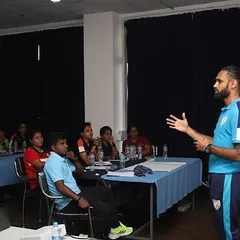
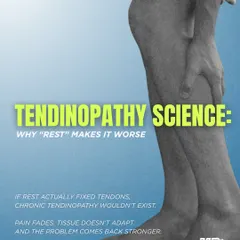
Science-Based Athletic Performance and Coach Education
Strength and Conditioning for Peak Athletic Performance
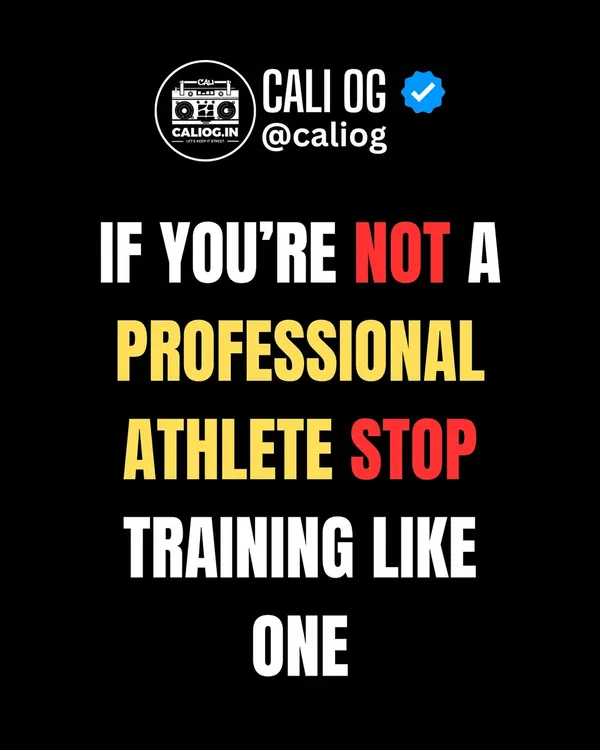 17
17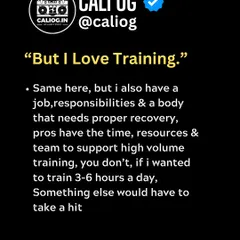

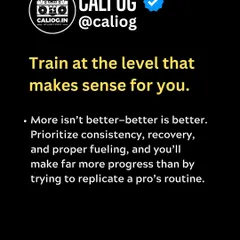
Train Smart: Our Fitness Philosophy
Expert Training Advice & Injury Prevention Strategies

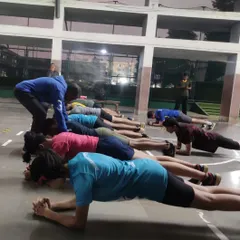
Our Scientific Approach to Athletic Training
 13
13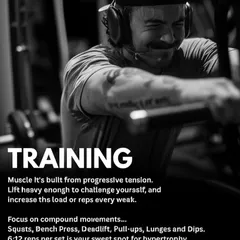
The Science of Real Results: Evidence-Based Training
More from Personal Training for Health & Wellness by Rapid Sport Fitness