PRP and GFC Therapy for Natural Hair Regrowth
If you are seeing early signs of thinning, you don't always need surgery. I use PRP and GFC therapy to use your body's own healing power to strengthen your roots and stimulate regrowth. It is a process that requires patience and science, not magic.
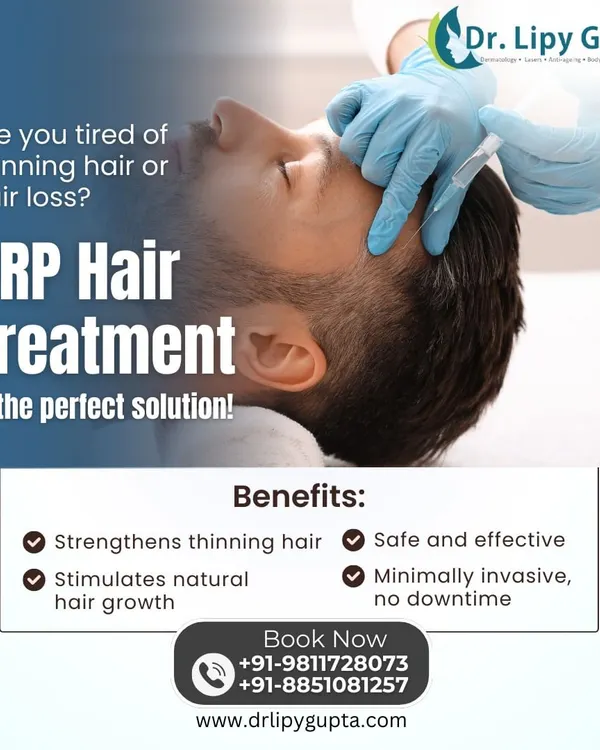
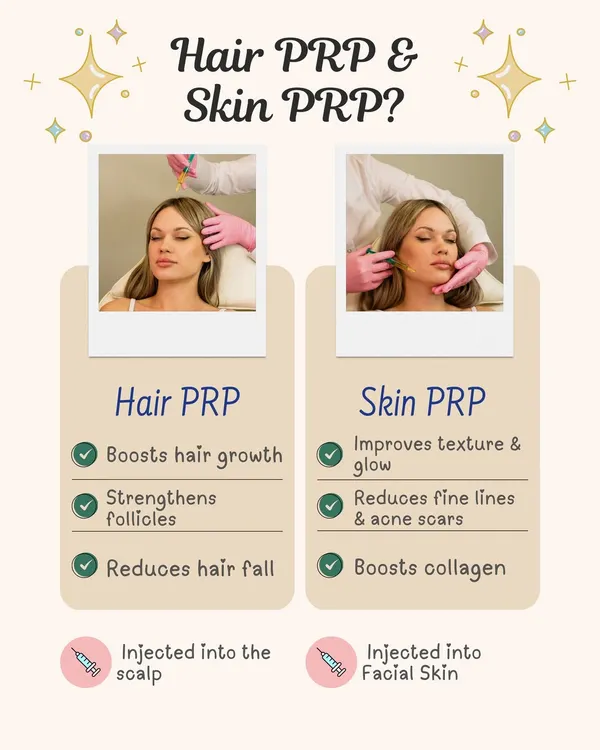
Many people ask me, what exactly is PRP therapy? It stands for Platelet-Rich Plasma. In simple terms, it's a medical treatment where I use your own blood. We concentrate the platelets, which are rich in growth factors that stimulate tissue repair and hair follicle regeneration, and inject them precisely where your scalp needs them. It's a natural way to combat hair fall.
Why do I often recommend PRP for hair loss? First, it's autologous, meaning it uses your own blood, which minimizes risks. The procedure involves minimal discomfort and is a natural approach to stimulating hair follicles. The primary benefit I see in my patients is a marked improvement in overall hair quality, thickness, and strength.
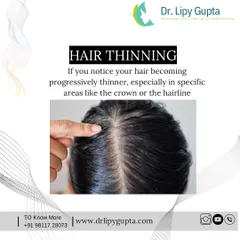
If you are concerned about a receding hairline or general thinning, it's important to know your options. While surgical procedures like FUE and FUT are effective for advanced baldness, non-surgical PRP treatment is an excellent solution for strengthening existing hair, reducing hair fall, and improving density, especially in the earlier stages.
My clinic offers a complete spectrum of hair restoration solutions. This graphic shows the different types of surgical transplants like FUE and FUT, which are for creating new hair growth in bald areas. Alongside them is PRP Therapy, a non-surgical option focused on rejuvenating and preserving your existing hair. We decide the right path after a thorough consultation.
About The Science of PRP & GFC Therapy
People often ask if they should choose PRP or GFC, and the answer lies in your specific stage of hair loss. For early-stage thinning, I recommend standard PRP where we spin your blood to concentrate platelets and stimulate tissue repair. If you want a more potent option with less stinging during the procedure, I suggest GFC therapy. This uses a specialized kit to isolate pure growth factors without the red blood cells, which significantly reduces inflammation and recovery time. Both treatments are performed by me personally, taking about 60 minutes with minimal downtime.
Understanding the Science of Growth Factors
Hair loss is complex, but the solution does not always require a transplant. My approach to PRP (Platelet-Rich Plasma) and GFC (Growth Factor Concentrate) is centered on the biological reality of your scalp. Both treatments are autologous, meaning they use your own blood, eliminating the risk of allergic reactions.
The Difference Between PRP and GFC
-
Standard PRP: We collect 15-20ml of your blood and perform a double-spin to concentrate platelets. These platelets are rich in growth factors that wake up dormant follicles and improve blood supply to the scalp. It is effective, affordable, and the foundation of non-surgical restoration.
-
Advanced GFC Therapy: This is a step up. We use a specialized, single-use kit that triggers the platelets to release growth factors before injection. Because we are injecting acellular serum (no red blood cells), there is significantly less pain, less stinging, and faster recovery. It is a more potent, targeted treatment for those who want to maximize results.
What to Expect at My Clinic
Whether you visit my clinic in Andheri West, Mumbai, or Preet Vihar, Delhi, the protocol is the same. I do not just treat the scalp; I analyze the root cause of your thinning.
- Assessment: We start by mapping your hair density and reviewing your medical history to rule out contraindications.
- The Procedure: We draw a small amount of blood, process it immediately using centrifuge technology, and then I administer the micro-injections myself.
- The Commitment: These are not one-time fixes. Hair restoration is a journey. You will need a series of sessions to see visible thickening and a reduction in hair fall.
If you have had a hair transplant, these therapies are also excellent for maintaining your existing hair and supporting the graft health. If you are just starting to see your hairline recede, let us look at the science before jumping to surgical options.
Similar work from other experts
Browse through Curated picks from other experts on mytribe
 5
5
PRP & GFC Therapy for Natural Hair Regrowth
 6
6
PRP & GFC Hair Regrowth Treatments in Delhi NCR
PRP and GFC Therapy for Natural Hair Regrowth
 10
10Non-Surgical Hair Regrowth with PRP and GFC
 7
7

PRP & GFC Hair Restoration for Natural Regrowth
 8
8
Regenerative Hair Therapies: PRP & GFC Treatments
More from Non-Surgical Hair Restoration by Vikas Panthri
More services by Vikas Panthri