Sustainable Gardening Practices & Eco-Friendly Materials
Building a garden that breathes starts with the materials you choose. We focus on natural alternatives to plastic, water-efficient systems, and organic practices that let your plants thrive.
An example of sustainable and stylish design. This balcony features plants in terracotta pots on wooden racks and hanging coir baskets, all of which are natural, breathable, and eco-friendly materials.
A natural green wall created with Money Plant climbers against a rock facade. This is a low-maintenance and sustainable alternative to conventional plastic pocket systems for vertical gardens.
A mood board showcasing our love for metal planters. Metal is a sturdy, evergreen material that can be reused and recycled, making it a sustainable choice for custom-designed planters and plant stands.
Our terracotta mood board. We champion this age-old material because it's porous, allowing plant roots to breathe, and is completely natural and biodegradable, making it a cornerstone of sustainable gardening.
Our team installing a drip irrigation system in a newly created flower bed. This water conservation technique delivers water directly to the roots, minimizing waste and ensuring plants get the moisture they need efficiently.
A video guide to sustainable indoor gardening. We share essential do's and don'ts, such as using porous planters, choosing native plants, understanding watering needs, and providing adequate light.
Don't throw away used festival flowers. This DIY video shows how to repurpose them into beautiful potpourri, beeswax fresheners, or nutrient-rich organic compost for your garden.
A dense green wall of Climbing Fig covering a building facade. This is a perfect example of how climbing plants can be used to create a natural, self-sustaining green architecture with minimal intervention.
A cluster of Euphorbia cactus and other succulents. While beautiful, these plants require specific care. We educate clients on creating their natural habitat with sandy soil and minimal water to ensure they thrive.
A mix of succulents like Agave and Jade plants. Providing the right desert-like conditions is key to successfully growing these water-wise plants.
About Sustainable Practices & Materials
When choosing garden materials, we always ask: does this breathe? While synthetic pots are common, they often trap heat and suffocate roots. We prioritize porous options like terracotta, repurposed metal stands, and natural fiber baskets, which create a cooler, healthier environment for your plants. A sustainable garden isn't just about what you grow, but the materials you use to house them.
Sustainability in gardening goes beyond just planting seeds; it is about the entire lifecycle of your green space.
Natural Materials Matter We steer clear of plastic and concrete where possible. Terracotta is our preferred material because it is porous, allowing moisture and air to reach the root system, which helps regulate soil temperature. For structures, we favor metal and untreated wood over plastic, as they are durable and easier to recycle.
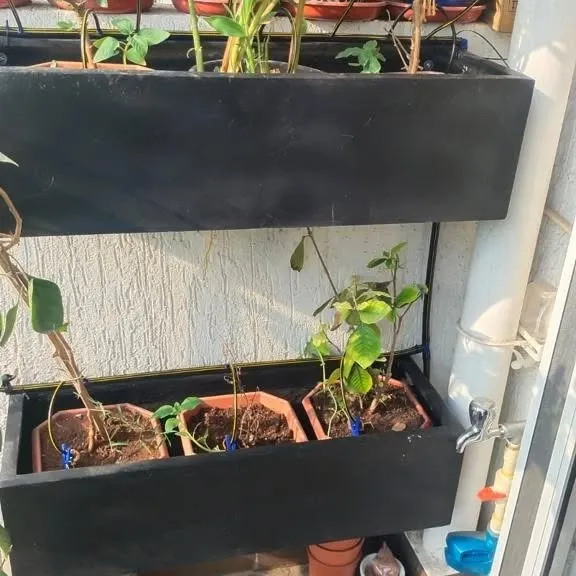
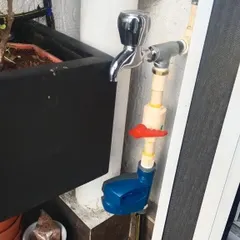
Water-Wise Gardening Water scarcity is real, especially in urban settings. We implement drip irrigation systems for larger terraces and balconies, delivering water directly to the root zone. This significantly cuts down on evaporation and runoff. For those with smaller setups, we emphasize using self-watering terracotta features.
Living Facades vs. Plastic Pockets Many vertical garden systems rely on plastic pockets that are difficult to maintain and create waste. Instead, we train climbers like Madhumalti, Blue Pea, and Money Plant to cover walls naturally. This creates a living facade that requires minimal intervention and supports local pollinators.
The Organic Loop Waste is just a resource waiting for a purpose. We encourage our clients to repurpose festival flowers into potpourri or organic compost. By avoiding chemical fertilizers and using bio-fertilizers and neem-based pest control, we ensure your garden remains a safe habitat for birds, bees, and butterflies, and a healthy space for your family.
Similar work from other experts
Browse through Curated picks from other experts on mytribe
Sustainable Gardening with a Permaculture Approach
Turn Any Space Into a Thriving Garden
 4
4
Smart Irrigation Systems for Your Home Garden
 5
5
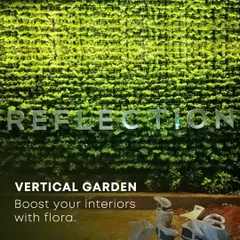
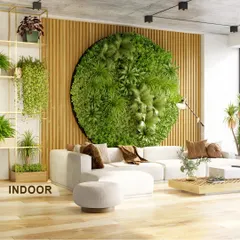
Custom Vertical Gardens and Living Walls
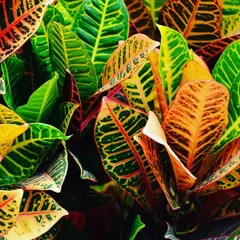
Vertical Garden Installation Process and Plant Expertise

Our Process and Approach to Green Spaces
More from Sustainable Landscape & Garden Design by Peepal
More services by Peepal