Tiger Trails and Central India Wildlife Photography
Deep in the forests of Central India, I use remote camera traps to capture the secret, natural behaviors of tigers. These images reveal the territorial patrols and family moments that rarely happen in front of a tourist jeep.
A young tiger cautiously approaches a waterhole during the day. These moments are rare and require placing a camera trap in a location that feels safe and natural for the animal, allowing for an undisturbed view of its routine.
An extreme close-up of a tiger drinking, its tongue lapping the water. This intimate perspective is only possible with a remotely triggered camera, capturing details and behaviors that would be impossible to witness in person without causing disturbance.
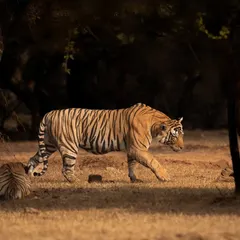
A resident male tiger patrols his territory along a dry riverbed. Tigers are solitary and highly territorial; documenting their routes and scent-marking habits is crucial to understanding their use of the forest and its corridors.
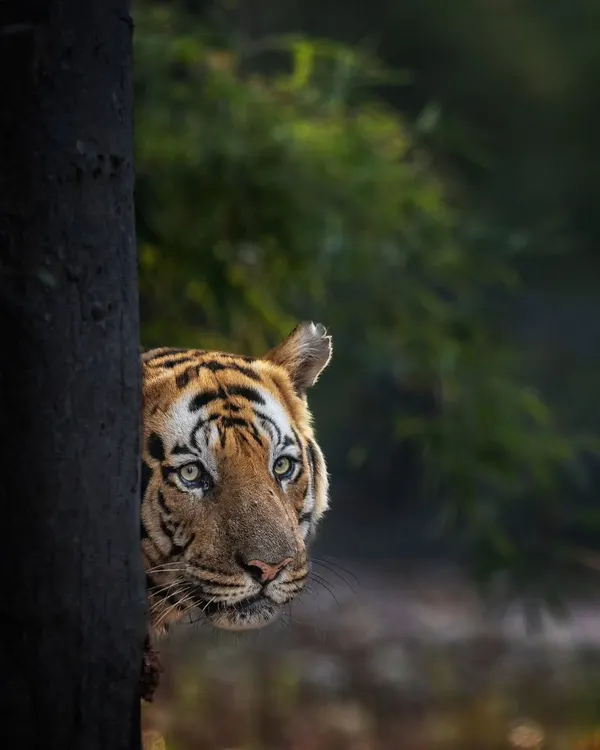
A tiger pauses by a tree along a known animal trail. This is a classic camera trap setup, placed to capture the natural movement of wildlife. Over several days, this single location can reveal multiple tigers, leopards, and other species.
The same tiger from my 'Tiger Trail' series, captured from a slightly different angle. This image emphasizes the dense forest environment that these animals depend on for their survival, highlighting the importance of habitat protection.
Under the cover of darkness, a tigress rubs against a tree to leave her scent. This is a vital form of communication in the tiger world, signaling her presence and readiness to mate to any males patrolling the area.
A male tiger sprays a scent mark on a tree, a definitive act of claiming territory. Capturing this specific behavior on camera provides valuable data for researchers studying population dynamics and land use.
A tiger enjoys a 'natural spa' session, soaking in a cool waterhole to escape the summer heat. I observed this individual returning to this spot regularly, always entering the water in reverse before settling in.
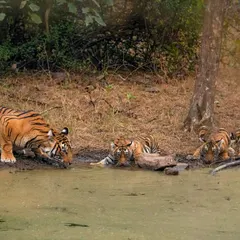
This is another angle of the tigress and her four cubs, a testament to the success of conservation efforts in protecting tiger corridors. A healthy habitat allows a mother to successfully raise a large litter, securing the future of the species.
About Tiger Trails: Chronicles of Central India
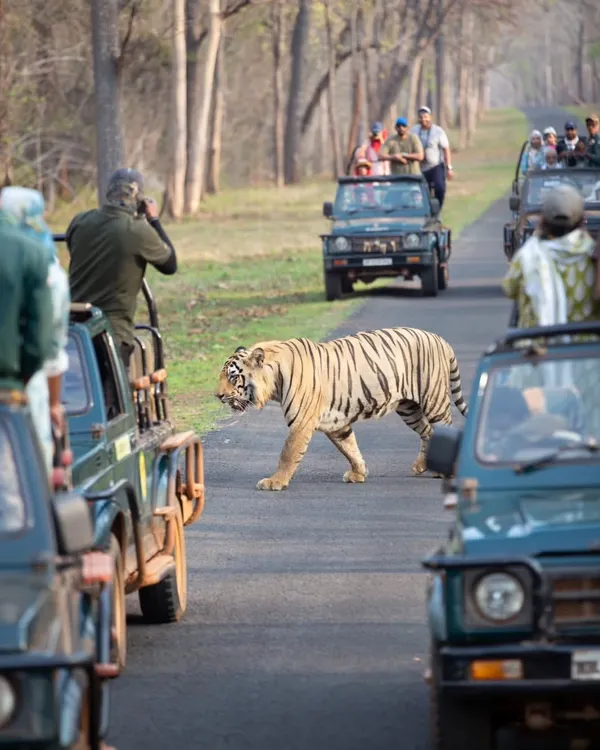
People often ask if I sit in a vehicle for hours to get these shots. The reality is quite different. Most of these images are captured by remote camera traps placed along identified tiger trails. It takes weeks of reading pugmarks, understanding territory, and waiting for the right conditions before a single image is recorded.
My approach to documenting tigers in Central India moves away from the typical safari-style photography most are familiar with. Instead of chasing sightings, I study the forest corridors. I look for scent-marking trees, fresh pugmarks, and natural waterholes—the vital junctions where tigers, leopards, and other species pass through daily. By setting up camera traps in these specific spots, I capture behavior that is entirely natural.
You see the stress, the social interaction, and the quiet routines that occur when the forest is undisturbed by human noise. This work is fundamentally about mapping. Understanding how these big cats navigate between protected reserves helps us realize how crucial these green corridors are. When you see a tigress with her cubs at a waterhole at night, it reminds you that the wild is a fragile, interconnected system.
If you are interested in learning how to set up your own field gear, read topography, or understand animal behavior for ethical photography, I offer 1-on-1 mentorship sessions. We focus on the practical field skills needed to document wildlife without causing disturbance.
Similar work from other experts
Browse through Curated picks from other experts on mytribe
 6
6
Tigers of Tadoba Photography
 91
91
Photographing Tigers in India's Jungles
 26
26
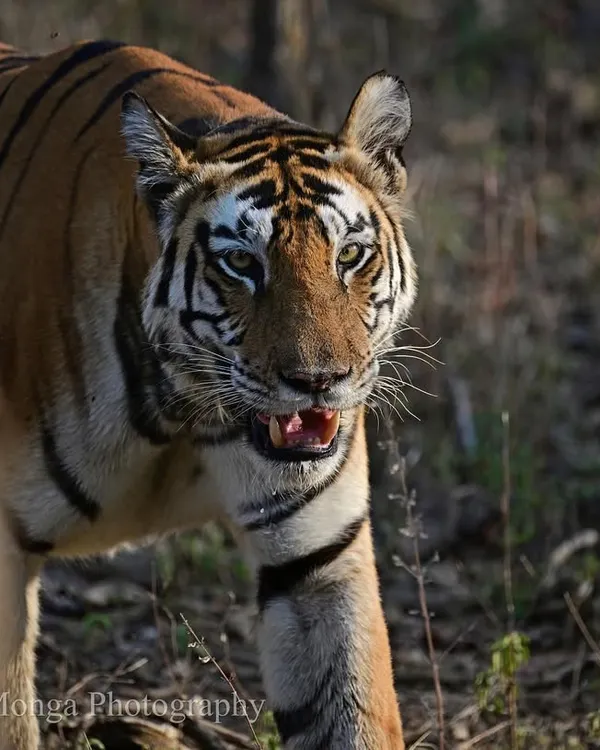
The Tiger's Realm: Portraits of India's Big Cats
 8
8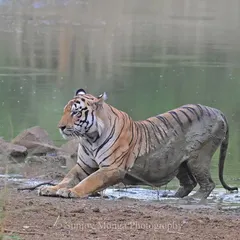
In the Realm of the Tiger: Wildlife Tracking Expeditions
 23
23
Big Cats of the Jungle: Tiger & Leopard Photography
 80
80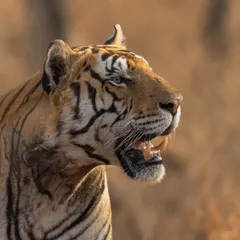
Tiger Encounters: My Wildlife Photography Journeys
More from Wildlife & Conservation Photography by Nayan Khanolkar
More services by Nayan Khanolkar