Safety Protocols and Swimming Guidelines
We believe swimming is safer when it is structured. Here is how we ensure every session—from toddlers to adults—is secure, comfortable, and controlled.
Before you dive in, it's important to know the rules. Our coach explains key safety guidelines, such as avoiding heavy meals before swimming, informing your coach of any health conditions, not running on the pool deck, and removing jewelry to ensure a safe experience for all.
This graphic is the cover for our "Smart Swimming" series, focusing on summer safety do's and don'ts. It emphasizes that building smart habits is just as important as building strong strokes for a safe and enjoyable time in the water.
A key "Do" for smart swimming is to gear up properly. We advise all swimmers to wear a swim cap and goggles to protect their hair and eyes from chlorine and the sun, ensuring a more comfortable and safer swim.
Staying hydrated is crucial, especially in the summer heat. We remind our swimmers to drink plenty of water before and after their sessions, as the heat can cause dehydration more quickly.
An important "Don't" is skipping warm-ups or cool-downs. Preparing your body before a swim and stretching after helps prevent injury and aids recovery, which is especially important when the summer heat can cause fatigue.
We teach our swimmers to always listen to their bodies. If you ever feel tired, dizzy, or unwell during a session, it is vital to stop and inform your coach or the pool staff immediately. Your well-being is our priority.
About Safety First, Always
We operate with a strict no-touch teaching policy. Our coaches use verbal cues and clear demonstrations to guide your strokes, which means you learn by understanding your body’s movement rather than being manually adjusted. It is safer, more hygienic, and helps you internalize technique faster without the stress of unwanted physical contact.
Safety in the water starts with preparation and ends with vigilance. We have built our environment to handle the risks that often get overlooked in generic swim training.
The Supervision Standard
We maintain a strict 1:6 coach-to-student ratio. This ensures every swimmer is under constant observation, whether they are working on water confidence or advanced stroke correction. Our pool decks are monitored by certified lifeguards who are trained in emergency response, and our staff is equipped to handle specific needs, such as keeping asthma pumps or necessary medication poolside.
Smart Swimming Habits
We don't just teach strokes; we teach pool discipline. Our 'Smart Swimming' protocol includes:
- Pre-Swim Care: We enforce a no-heavy-meal rule for at least 45 minutes before sessions to prevent cramps and discomfort.
- Essential Gear: Proper goggles and caps are mandatory to protect your eyes and hair, and they help reduce distractions while you focus on technique.
- Hydration: Even in the water, you dehydrate. We emphasize drinking water before and after sessions.
- Warm-ups: Skipping the dry-land warm-up is a major injury risk. We mandate a 15-minute warm-up for every class to prepare muscles for the water temperature and exertion.
Hygiene and Comfort
Our facilities are temperature-controlled at 30°C. This is not just for comfort; it prevents the muscle shivering and fatigue that often lead to poor technique and subsequent injuries. We maintain high standards of water quality, and we expect our students to follow pool etiquette, such as removing jewelry and not running on the deck, to keep the space safe for everyone.
Similar work from other experts
Browse through Curated picks from other experts on mytribe
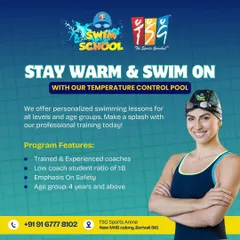

Professional Swimming Lessons for All Levels
Safe and Structured Swimming Lessons in Navi Mumbai
Essential Water Safety Skills for Kids
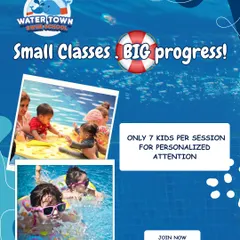
A Safe and Clean Environment for Your Child
Swimming Classes for Kids and Toddlers
Supervised Open Water Swimming in Juhu
More from Intensive Swimming Camps by Michael Phelps Swimming
More services by Michael Phelps Swimming