Achieving a Rich Dark Henna Stain
A deep, long-lasting stain takes more than just skill. It is a natural process that rewards patience, or *sabr*, with a rich, dark maroon color that celebrates your special occasion.
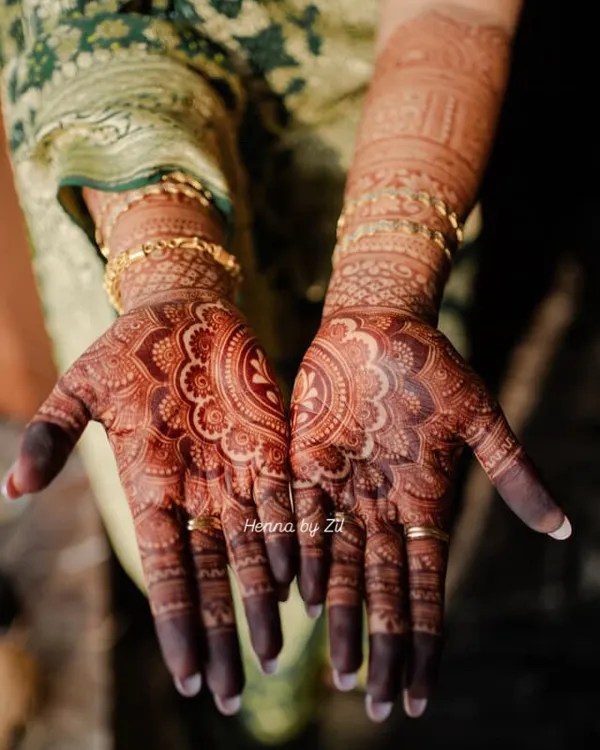
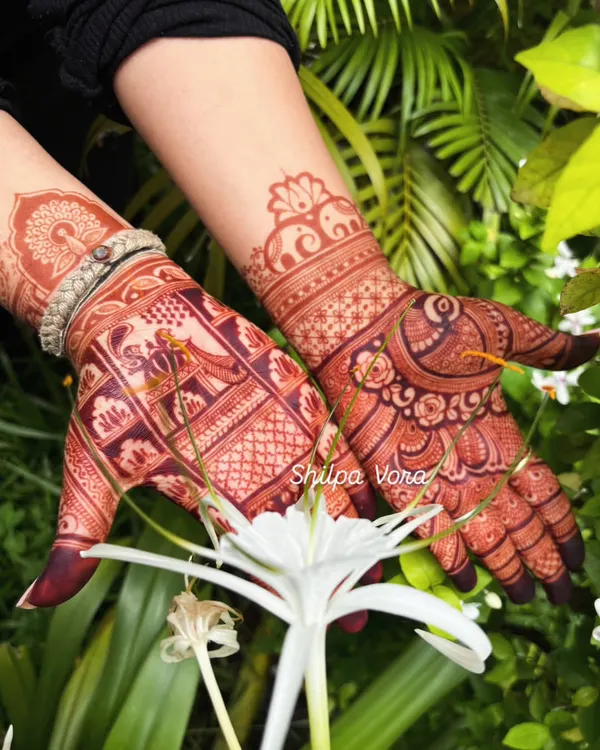
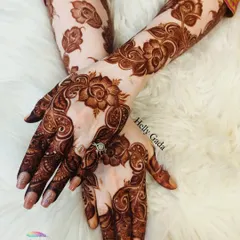
The beautiful result of a mature henna stain, seen here against a natural background. The color is a deep, rich maroon, which shows the quality of the natural paste.
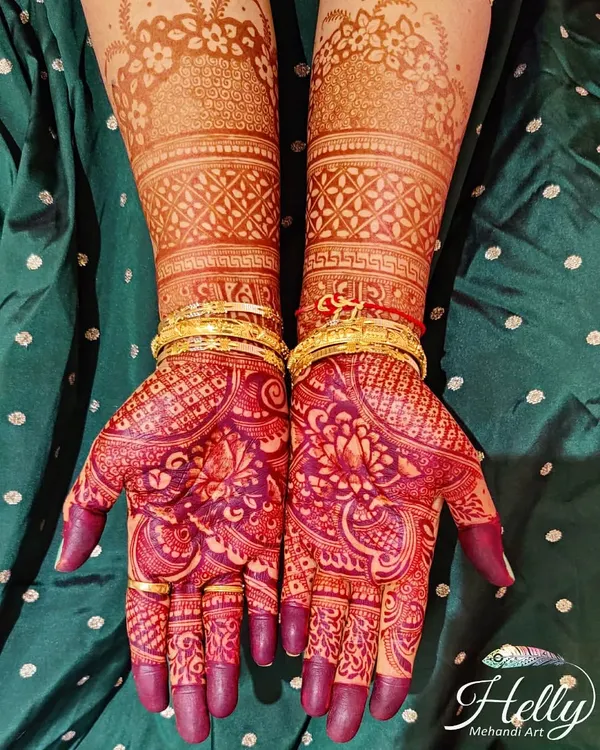
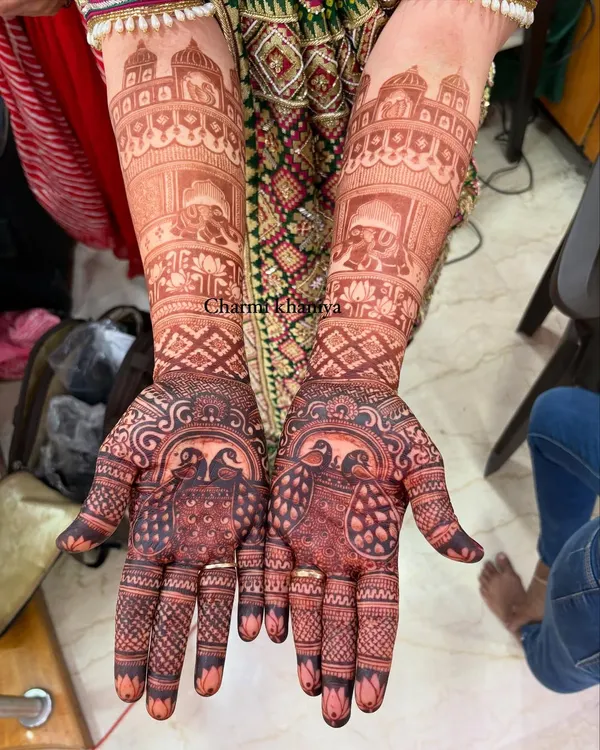
A stunning, dark stain from a full bridal mehendi. The intricate details are still visible in the rich color.
The most beautiful stain. This is a precious moment from a wedding, showing the bride's hands adorned with my henna art.
A close-up of a beautiful, dark henna stain, showing how the fine lines and details have developed into a rich color.
Another close-up of a mature stain, showing the intricate grid work and details on the palm.
This stain shows a lovely half-mandala design on the back of the hand, with a deep color on the fingers.
A beautiful stain on the back of the hand, adorned with rings. The henna complements the jewelry perfectly.
This image shows the stain from two different designs, one on each hand. Both have developed into a lovely dark color.
The stain from a design with multiple mandalas, showing how the circular patterns look once the color has matured.
A gorgeous stain from a mandala design, set against a vibrant blue fabric. The color contrast is just beautiful.
About The Art of the Stain: From Fresh Paste to Final Color
Getting that deep, dark maroon stain is not just about the henna paste; it is about the care you take after I leave. I use 100% natural, home-mixed paste, which needs time to develop fully. You will need to protect your hands from water for the first 24 hours to let the color reach its true potential. Remember, the deeper the stain, the more sabr (patience) it required.
The Journey to a Dark Stain
Many people think a dark stain happens instantly, but with organic henna, it is a gradual process. When I apply the paste, it sits on the skin to release its dye. Once it flakes off, the stain will often look orange or light brown initially. Do not worry—this is the natural phase. Over the next 24 to 48 hours, as the henna oxidizes, it will darken significantly into the deep maroon color you see in my photos.
Why I Only Use Natural Paste
You will often see me talk about sabr. This is because I refuse to use chemical cones, which promise 'instant' color but can cause skin irritation or allergic reactions. My paste is made from high-quality, organic henna powder, essential oils, and water. Because it is natural, it requires care.
The Golden Rules for Aftercare:
- Keep it dry: Avoid water for the first 24 hours. Water stops the oxidation process and will keep your stain from reaching its full potential.
- Stay warm: Henna loves heat. Keeping your hands warm helps the dye release deeper into the skin.
- The Sealant: I apply a lemon-sugar sealant before I leave. This keeps the paste moist on your skin for longer, which helps the color develop more deeply.
If you have a special event coming up in Mumbai, I recommend booking your mehendi session 2 days before the main function. This gives the stain enough time to mature so that you have that rich, dark color when you walk into your event.
Similar work from other experts
Browse through Curated picks from other experts on mytribe
 24
24
The Beauty of the Stain: Getting That Perfect Dark Henna
The Art of the Stain: Getting Deep, Dark Mehendi
 4
4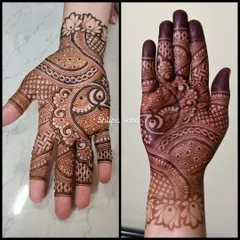
Achieving the Perfect Deep Henna Stain
 5
5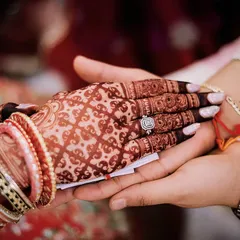
Achieving The Perfect Deep Henna Stain
 7
7Achieving the Perfect Deep Mehendi Stain
The Art of Natural Henna: From Fresh Paste to Dark Stain
More from Party & Festive Mehendi by Shaikh Farheen
More services by Shaikh Farheen