Tiles That Tell a Story: Athangudi, Subway, and Modern Patterns
Whether you want the vintage charm of handmade Athangudi tiles or the clean, timeless look of subway backsplashes, your floor is the first chapter of your home story. We help you find materials that look right and last.
This is the art and science behind Athangudi tiles. This infographic shows the making process, from mixing natural color pigments to hand-placing the brass mould and letting the tile cure in the sun. It's a century of knowing, pressed into every tile.
Athangudi tiles were born out of necessity when imported flooring was out of reach for Chettinad's artisans. They perfected a method using sand, pigment, and brass moulds, a craft that is still practiced the same way today.
This is the 'Vallai' pattern, a classic Athangudi design. Four tiles weave together to form a timeless floral medallion with sweeping blue vines, bringing delicate Chettinad geometry to your floor.
The 'Navarathnam' pattern is pure Chettinad geometry. It features bold octagons in terracotta and ochre, anchored by a black and white checkerboard border with sparkling emerald diamonds at every intersection.
This traditional Athangudi pattern is named 'Naalu Malli Mottu' after four jasmine buds. Arranged in perfect symmetry, their petals unfurl in crisp white against a bold terracotta red, creating a simple yet beautiful floor.
This video shows the magic of handmade Athangudi tiles. The vibrant yellow tile with a simple motif brings a sunny, vintage charm to both a modern kitchen and a traditional balcony, proving its versatility.
This image introduces the story of the Subway Tile, a 120-year-old classic from New York. It was born in the subway but its timeless design has made it a staple in homes around the world.
The subway tile was first designed in 1904 to solve a simple problem: nobody wanted to go underground. Its glossy, glazed surface bounced light into dark tunnels and was easy to clean, a practical solution that became an icon.
The subway tile was too useful to stay underground. This timeline shows its evolution from butcher shops in the 1920s and hospitals in the 1940s to becoming the world's most recognized backsplash thanks to renovation TV shows.
By the 2010s, the subway tile was so common it became almost invisible. So, designers reinvented it with bolder colors, new textures, bigger sizes, and darker grout. Same tile, new personality.
About The Tile Library: From Athangudi to Subway
Before you finalise your pattern, talk to us about the installation. Most contractors use cement for large tiles, which leads to cracks and hollow sounds later. We always recommend polymer-modified adhesive with a proper 2-4mm gap for a seamless, long-lasting finish. Let's make sure the floor you love today still looks perfect five years from now.
We believe a floor is more than a surface, it is the foundation of your home's vibe. Our Athangudi collection brings the Chettinad spirit into your space. These tiles are made without kilns using sand and natural oxides, retaining the cooling properties our ancestors swore by. For the modern kitchen or bathroom, our subway tile series offers that crisp, light-reflecting finish that never goes out of style. Whether you are aiming for the bold geometric look of Moroccan carpet tiles in your foyer or a clean, monochromatic backsplash, the technical execution matters more than the visual. Our team provides detailed guidance on tile thickness, adhesive selection, and the critical importance of epoxy grout in wet zones to prevent mould. We don't just ship boxes of tiles. We ensure you have the right technical specs to handle the installation so you avoid common contractor mistakes.
Similar work from other experts
Browse through Curated picks from other experts on mytribe
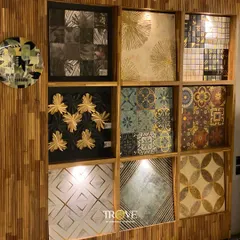
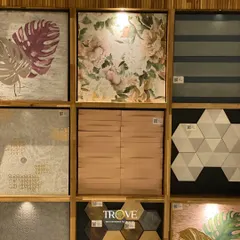
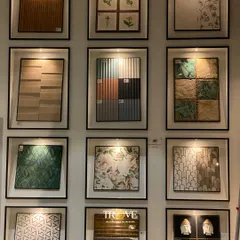
Global Patterns & Designer Tiles in Bengaluru
 7
7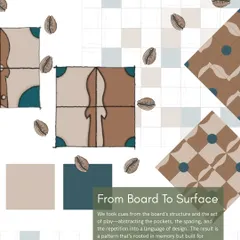
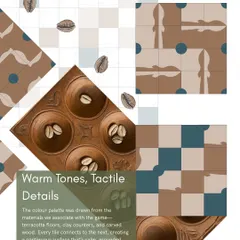
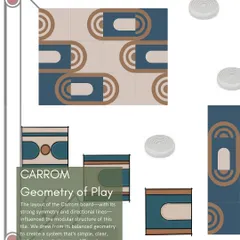
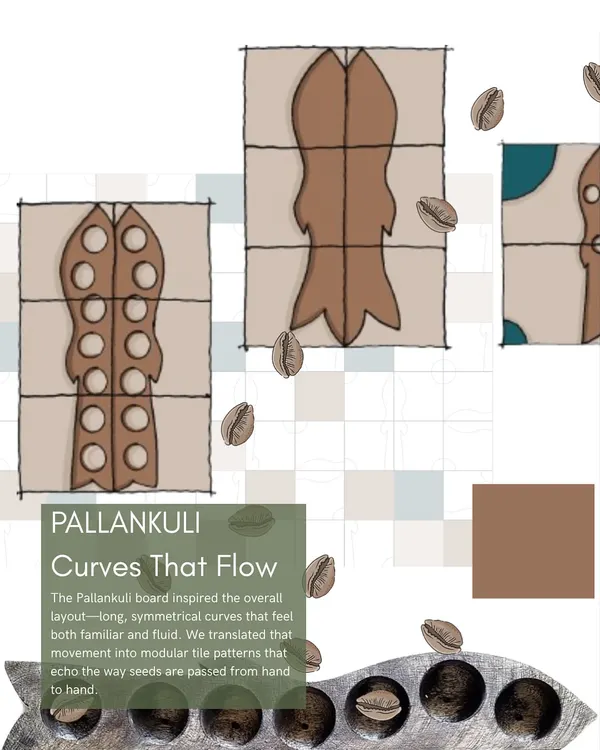
Nostalgia-Inspired Board Game Tile Designs
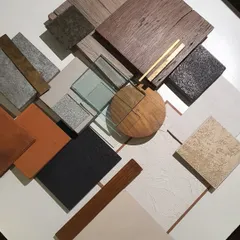
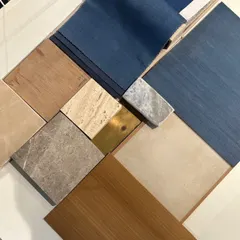
The Art of Materiality: Creating Textural Depth in Interiors
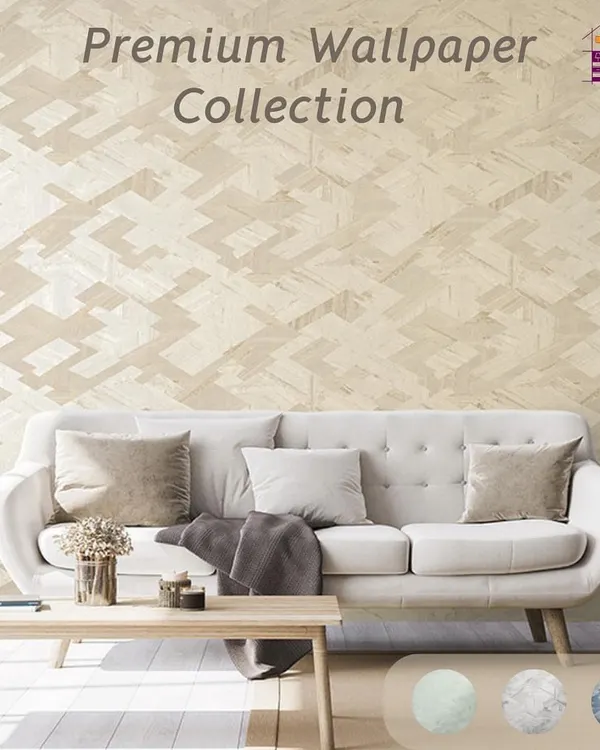 4
4
Modern & Vintage Wallpapers for Your Home
 10
10
Stories Woven into Walls: A Collection of Heritage Design
Featured Wall Decor Designs
More from Building & Interior Materials by Material Depot
More services by Material Depot