Understanding Solar: A Practical Guide for Your Home
Get clear answers to your solar questions, from how panels handle winter to how much power you can actually generate at home.
A common question we get is, "How do solar panels work in winter?" This video explains how our high-efficiency panels, like the SHARK 535W, continue to generate power even on foggy or cloudy days.
Can a 5kW solar system run a heater or geyser in the winter? This video breaks down the power consumption of typical appliances and shows how our systems can handle heavy winter loads.
How much electricity does a 1kW solar system generate in a day? This explainer video shows that on average, you can expect 4-5 units of electricity per day, depending on weather and location.
What is a BESS, or Battery Energy Storage System? Learn how this system, which includes a battery, inverter, and BMS, stores solar energy for use at night or during power cuts.
Join our free online "Learn Solar" program to understand how Hybrid Solar Systems work. We host these sessions to help you learn about combining solar panels with battery storage for uninterrupted power.
About Learn About Solar
Before you commit to a system, you need to know what actually fits your roof and usage. Our engineers don't just look at your electricity bill; they perform a shadow analysis and load assessment to ensure the system you buy is the one you actually need. Let's figure out the right capacity for your home.
How Solar Works When the Sun Isn't Shining
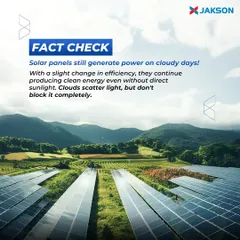
A common worry is whether solar panels actually perform during the winter or on cloudy days. The answer is yes. High-efficiency panels, like our SHARK series, are designed to generate power even in low-light conditions or dense fog. While output might be lower than on a bright summer day, the system remains active and contributing to your energy needs.
Understanding Your Power Needs
Many homeowners ask if a 5kW system can handle heavy loads like geysers or heaters in winter. A 5kW setup typically generates 25-30 units of electricity daily in good conditions. If you have high-consumption appliances, the key is the design phase. We calculate the total wattage of your daily-use appliances to ensure your system provides enough units, preventing grid reliance even during colder months.
What is BESS?
If you hear the term BESS, it stands for Battery Energy Storage System. This is the heart of a hybrid setup. Because solar energy is unstable (it depends on the weather), a BESS allows you to store excess power generated during the day. When the sun goes down or a power cut hits, your inverter automatically switches to this stored energy. This is what keeps your fridge, AC, and lights running without a second's delay.
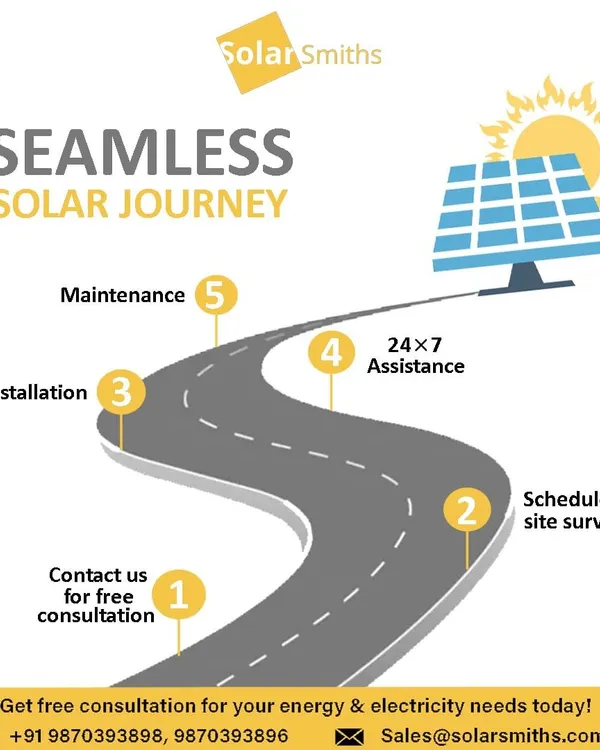
The Step-by-Step Approach
- Site Assessment: We physically inspect your roof for shade, orientation, and structural strength.
- Custom Design: We don't believe in copy-paste layouts. We design the structure based on your specific roof architecture.
- Safety First: Whether it's an on-grid system or a battery-backed hybrid, every installation includes earthing pits and surge protection to keep your home safe.
Whether you are looking to slash your bills or want complete freedom from power cuts, the first step is understanding your roof's potential.
Similar work from other experts
Browse through Curated picks from other experts on mytribe
 47
47
Understanding Rooftop Solar for Your Home
Solar Energy Explained: Simple Facts & Tips
 25
25
Your Solar Questions Answered
Understanding How Rooftop Solar Systems Work
 19
19
Solar Energy Guide: Expert Tips for Your Installation
 30
30
Understanding Solar Technology, Efficiency, and Sustainability
More from Residential Solar Solutions by Loom Solar
More services by Loom Solar