Understanding Cyber Crime and Your Legal Remedies
Cyber crimes in India are complex, but legal recourse is available. I break down the IT Act, documentation requirements, and reporting procedures to help you protect your digital rights and financial safety.
A cover slide introducing the basics of cybercrime. This post serves as an entry point for individuals looking to understand how to protect themselves from common online frauds and scams through legal awareness.
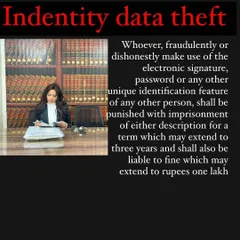
This graphic provides a clear definition of cybercrime, explaining that it involves illegal activities conducted online such as hacking and identity theft. It references key sections of the Information Technology Act, 2000, and emphasizes the importance of immediate reporting to the cybercrime cell or local police.
An essential guide to the remedies available for victims of cybercrime. The post explains that options include filing a report with cybercrime cells or the National Cyber Crime Reporting Portal, and pursuing civil action for financial or reputational damage.
This post addresses the serious offense of disseminating child pornography and obscene content under Section 67B of the IT Act. It details the strict penalties for offenders and directs victims on how to report such crimes to the appropriate authorities for swift action.
About Understanding Cyber Crime
When you face online harassment or financial fraud, your first step is gathering admissible evidence. Screenshots alone are often insufficient for police reports or court proceedings. You need URLs, transaction IDs, timestamps, and chronological logs to build a case that authorities can actually act upon. If you are struggling to preserve digital evidence, start with a focused consultation to map your specific offenses before filing a formal complaint.
The Indian legal landscape regarding cyber crime is governed primarily by the Information Technology Act, 2000, and sections of the BNS (Bharatiya Nyaya Sanhita). While the law provides specific provisions for crimes like identity theft, cyberstalking, and unauthorized access, the challenge for most victims is the procedural hurdle: knowing exactly how to report the incident to ensure the evidence holds up.
The Importance of Jurisdictional Mapping
One common pitfall is filing a complaint at the wrong station or portal. Cyber crime spans across state lines, often leading to jurisdictional ambiguity. My approach involves a diagnostic phase where we map your evidence against relevant sections—such as Section 66 for hacking or Section 67 for obscene content—before deciding whether a Civil Suit, Criminal Complaint, or Platform Reporting is the most effective route.
Moving Beyond Panic
If you have been scammed, the immediate priority is often financial recovery. We can look at drafting Section 91 CrPC requests to facilitate bank account freezing for beneficiaries in fraud cases. For harassment, we focus on documentation that meets the threshold for police intervention.
How I Help
Whether you need a consultation to determine if you have a case, require a formal legal notice to a service provider to take down content, or need end-to-end support for filing an FIR at the Cyber Cell, my services are designed to be practical. I provide:
- Detailed evidence formatting so police can read and process your claim efficiently.
- Statutory mapping to ensure your complaint invokes the correct legal sections.
- A clear action plan, so you aren't left wondering what the next steps are.
Understanding the law is the first line of defense. By knowing your rights under the IT Act and the nuances of the National Cyber Crime Reporting Portal, you shift from being a victim to an informed party capable of seeking justice.
Similar work from other experts
Browse through Curated picks from other experts on mytribe
Legal Advice for Cybercrime and Digital Fraud
Cyber Law and Digital Safety Awareness
Online Legal Safety: Digital Suraksha & Cyber Laws
Essential Legal Steps for Cyber Fraud Recovery

Cybercrime & Online Fraud Legal Protection
Legal Action Against Cybercrime, Fraud, and Defamation
More from Cyber Law & Online Safety by Prateek Chandramouli
More services by Prateek Chandramouli