Know Your Legal Rights: A Guide to Police, Crime & Daily Issues
Law isn't just for lawyers. I break down Indian legal procedures—from police interactions to bail—so you stay informed and protected, not confused.
If you face harassment or misconduct from a police officer, you are not helpless. I outline five effective ways to file a complaint, from using social media and approaching a complaint committee to filing a case with a magistrate.
If the police call you to the station regarding a complaint, what should you do? I explain why you should send a friend or lawyer first and clarify that police cannot settle non-bailable offences in exchange for money.
During a police interrogation, you have the right to have your lawyer present. I explain this crucial right under Section 41D of the CrPC, which ensures that your statements are not used against you unfairly.
Getting bail granted is one thing, but what is a bail bond? I explain this essential document, the role of a surety, and why you cannot be released from jail without furnishing it, even after bail is approved.
I break down the five main types of bail in India: Anticipatory, Regular, Interim, Medical, and Default bail. Understanding the difference is key to knowing your rights when facing a criminal charge.
In a criminal case, the accused must be present for hearings. However, what if you cannot attend? I explain how to file an exemption application with a valid reason to avoid a non-bailable warrant being issued against you.
How long does an anticipatory bail last? Referencing a landmark Supreme Court judgment, I explain that an anticipatory bail can remain in effect throughout the trial, though it can vary based on the case facts.
Under the Indian Penal Code, certain acts are not considered offenses. I explain four "General Exceptions," including acts by a child under seven or a person of unsound mind, where criminal liability is excused.
Fighting in a public place and disturbing the peace is a specific offense called 'Affray' under the IPC. I explain what constitutes this offense and the legal punishment associated with it.
Thinking of crashing your ex's wedding? Be careful. I explain how showing up uninvited to annoy or insult someone can be considered criminal trespass, which is a punishable offense.
About Know Your Rights: Crime, Police & Daily Life
If you ever receive an unexpected call from the police, remember: you do not have to handle it alone. Before you visit the station or pay any 'kharcha-pani' (which is rarely the solution), send a trusted friend or a lawyer first. Most people panic, but knowing that police cannot settle non-bailable offences in exchange for money is the first step to staying safe. My goal is to help you understand exactly what to say and what to keep private when a situation gets tricky.
Legal knowledge often feels gatekept by jargon, but understanding your basic rights can be a lifesaver. Whether you are dealing with an FIR or just want to know your rights before a situation escalates, being informed changes the power dynamic.
Your Rights During Police Interaction
Under Section 41D of the CrPC, you have the right to have an advocate present during interrogation. Never feel pressured to answer questions without legal guidance. If the police call you regarding a complaint, do not fall for informal 'settlement' talks—these rights reside only with the Magistrate or Court, not with the local station.
Understanding Bail in India
Not all bail is the same. Confusion here leads to unnecessary jail time. I help you understand the specific differences between:
- Anticipatory Bail: Filed when you fear arrest.
- Regular Bail: Applied after an arrest has occurred.
- Interim, Medical, & Default Bail: Each serving a specific legal purpose based on case status and evidence.
Myth vs. Reality
Common misconceptions often lead to trouble. For example, people believe an 'Advocate' sticker on their car grants immunity from traffic rules. It does not. The law treats everyone equally. On the flip side, people often don't know they are entitled to compensation for things like stray dog bites—where courts have awarded amounts based on the severity of the injury.
Whether it is navigating a criminal charge or understanding why reading the fine print in a contract matters, I am here to turn the complex IPC and CrPC into practical, everyday knowledge. Don't let fear make your decisions for you.
Similar work from other experts
Browse through Curated picks from other experts on mytribe
Know Your Rights: Police & Court Procedures
 43
43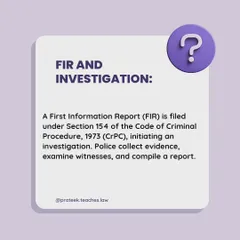
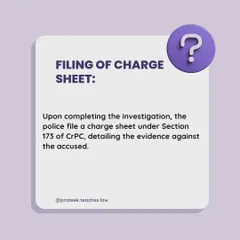
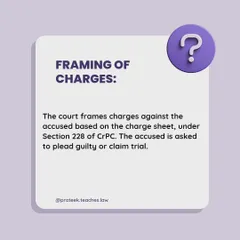
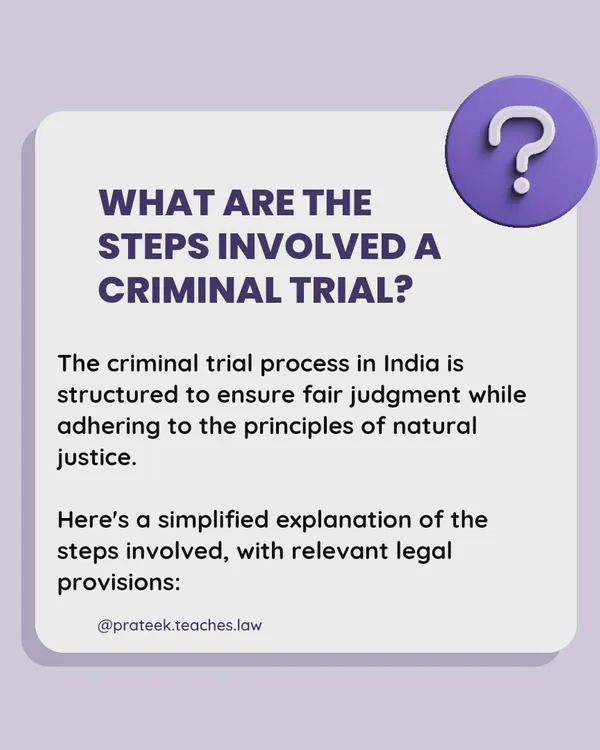
Understanding Criminal Proceedings in India
Criminal Law & Your Safety: Know Your Legal Rights
Key Concepts in Indian Criminal Law
Know Your Rights: Legal Explainers for Real-Life Situations
Legal Advice and Rights Awareness
More from Legal Education & Training by Priyanshi Bhardwaj
More services by Priyanshi Bhardwaj