Decoding Your Job & Employment Contracts
Got an offer letter but confused by the fine print? Don't just sign and regret later. I help you decode clauses like non-compete, notice periods, and overtime rights so you know exactly what you’re getting into before you sign.
What happens after you accept an offer letter? I explain the legal obligations that come with it, covering important terms like probation period, notice period, and non-solicitation clauses that can impact your career choices.
Resigning from a job doesn't always mean the contract ends. I discuss three crucial post-employment clauses: Non-Compete, Confidentiality, and Non-Solicitation. Knowing these can prevent legal trouble even after you've left the company.
Your offer letter determines more than just your salary. I explain how clauses on working hours, weekly offs, and annual leaves define your work-life balance and what your rights are regarding overtime pay according to state laws.
About Decoding Your Job & Employment Contracts
Most people skim past the salary and designation, but the real traps are hidden in the fine print. Clauses like non-compete or notice periods often stay active long after you’ve left a company. Before you accept that next role, let’s go through your agreement together—not just to read the legal language, but to understand what it actually means for your daily work-life balance and long-term career moves.
Understanding Your Contract Beyond the Salary
When you get that 'Congratulations' email, excitement often takes over. But remember, your offer letter is a legally binding contract. Signing it without reading the fine print is like walking into a maze without a map.
The 'Hidden' Clauses You Should Watch For
- Non-Compete Clauses: This prevents you from joining a competitor after you leave. Often, these are vaguely worded. If you don't negotiate this upfront, it can restrict your future career options for 6 to 12 months.
- Non-Solicitation: This stops you from approaching clients or even colleagues from your old team. If you plan to freelance or start a business, this clause is crucial.
- Confidentiality: It doesn't just apply while you work there. Many companies demand that data protection rules survive long after you resign.
Know Your Statutory Rights
Many employers try to mask state-mandated rules with their own company policies. You should know:
- Working Hours & Breaks: If your contract doesn't explicitly mention break times, it’s a red flag. Overtime pay is not a 'bonus'; it’s a right under the Shops and Establishments Act, which varies by state.
- Leaves & Holidays: Is your leave year based on the calendar year or the financial year? What about paid sick leave? These definitions affect your work-life balance significantly.
How We Can Work Together
Whether you are about to sign a new job offer, a rent agreement, or need clarity on your current work situation, I break down the legalese into plain Hinglish. My sessions are designed to help you identify red flags before they become legal hurdles. Let’s make sure you aren't signing away rights you didn't even know you had.
Similar work from other experts
Browse through Curated picks from other experts on mytribe
Practical Corporate & Commercial Law Advice for Businesses



Employment & Workplace Law Services
Legal Insights: Simple Explanations for Your Everyday Rights
 4
4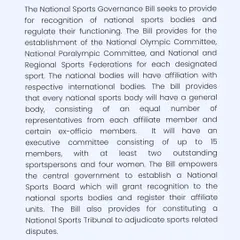


Navigating Sports Law and Governance in India
 9
9
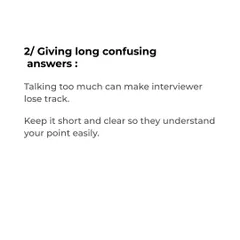
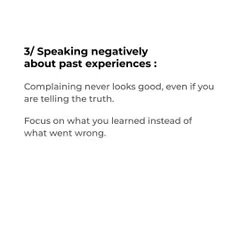
Job & Interview Preparation for Tech Roles
 4
4


What to Do When You Receive a Legal Notice
More from Legal Education & Training by Priyanshi Bhardwaj
More services by Priyanshi Bhardwaj