Continuing Medical Education for Dermatologists
Evidence-based CME sessions and clinical workshops designed to bridge the gap between theoretical knowledge and practical application in your practice.
This is an invitation for a Continuing Medical Education (CME) session I conducted for dermatologists. The lecture focused on the causes and management of Urticaria, a prevalent condition in dermatological practice that requires up-to-date knowledge for effective treatment.
As part of an awareness initiative for World Urticaria Day, I created this guide outlining key management strategies for patients. It covers practical advice, from avoiding triggers like tight clothing and certain foods to the importance of adhering to a prescribed medication schedule.
This informational snippet from one of my educational posts explains that Urticaria, while often benign, can sometimes indicate more serious conditions. I emphasize the importance of a professional diagnosis to rule out underlying issues and ensure patient safety.
About Core Dermatology CME Lectures
Clinical practice is constantly evolving, and keeping up with the latest evidence is essential for consistent patient outcomes. In these sessions, we bypass the abstract theory and focus purely on practical management, such as current protocols for treating chronic Urticaria, so you can implement these clinical learnings directly into your own practice the very next day.
Bridging the Gap in Clinical Practice
True expertise in dermatology requires more than just reading the latest literature. It involves understanding how to translate clinical guidelines into real-world results. My CME sessions are structured for dermatologists and medical professionals who prioritize safety and evidence-based results over trending procedures.
Core Areas of Focus
These sessions are not generic lectures. They are deep dives into specific dermatological conditions and procedural techniques.
- Urticaria Management: We break down the latest data on both acute and chronic Urticaria, including the physiological role of histamine and the nuanced use of antihistamines and biologics like omalizumab in persistent cases.
- Evidence-Based Protocols: My training prioritizes understanding the 'why' behind every treatment. Whether we are discussing trigger avoidance or the pharmacological management of chronic skin conditions, the focus remains on standard-of-care protocols.
- Patient Safety & Assessment: A critical part of my sessions is teaching attendees how to identify when a condition requires more than just routine care. We discuss warning signs, such as identifying when Urticaria might be a precursor to more systemic issues like anaphylaxis.
Who This Is For
These lectures are intended for dermatologists, skin specialists, and medical professionals who want to refine their approach to common OPD complaints. The content is designed to be actionable, providing you with the clarity needed to handle complex patient cases with confidence.
Similar work from other experts
Browse through Curated picks from other experts on mytribe
Dermatology Expertise & Professional Highlights


Professional Leadership in Evidence-Based Dermatology
 6
6
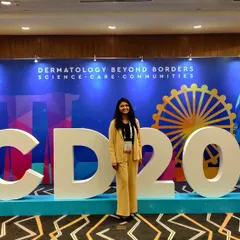
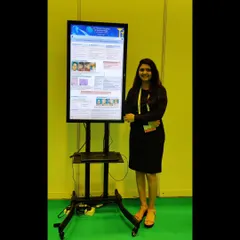
My Dermatology Journey: Continuous Learning & Clinical Expertise
Dermatology Speaker & Clinical Trainer
 7
7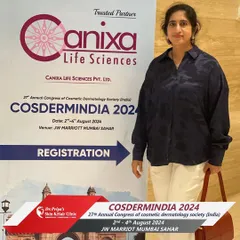
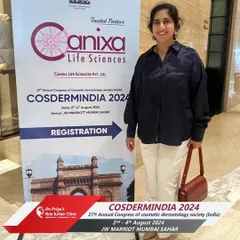
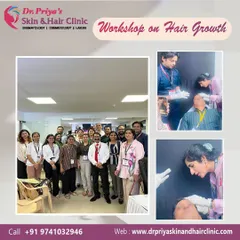
Evidence-Based Dermatological Care and Clinical Standards
 19
19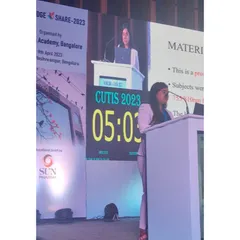
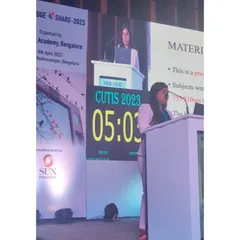

Dermatology Research & Medical Education
More from Professional Training for Dermatologists by Deepa Krishnamurthy
More services by Deepa Krishnamurthy