Understanding Laws on Sexual Offenses and Consent
Navigating allegations of sexual offenses requires precise legal strategy. I break down the nuances of consent, POCSO, and the POSH Act to help you protect your rights.
Does a physical relationship based on a false promise of marriage amount to rape? I discuss the Supreme Court's stance on this, clarifying that while it can be prosecuted under Section 376, the court distinguishes between a genuine failed relationship and intentional deceit.
I explain a significant Supreme Court ruling that a consensual, long term live-in relationship does not amount to rape if the partners do not end up marrying. This judgment is crucial in preventing the misuse of rape laws in cases where there was no force or deceit involved.
Many people are unaware that non-consensual sex within a marriage is also a form of violence. I explain the concept of marital rape, referencing a Supreme Court judgment that recognizes forced sex by a husband as rape under the Medical Termination of Pregnancy Act.
If you are being threatened with a false accusation of rape, you must take it seriously. I explain a High Court ruling that considers such threats as abetment to suicide and advise on the correct legal step: approaching the police to record your statement, not negotiating with the complainant.
I offer a crucial warning about consent given under the influence of alcohol. Legally, such consent is not valid, and if a woman later realizes she had a physical relationship while intoxicated, she can file a rape case under Section 376 of the IPC.
Even sending late-night text messages to an unknown woman can have serious legal consequences. I discuss a case where a court considered texts praising a woman's beauty after 11 p.m. as outraging her modesty, an offense punishable under Section 74 of the BNS.
I provide an overview of the Prevention of Sexual Harassment (POSH) Act of 2013. I define what constitutes sexual harassment at the workplace and explain the key provisions, such as the mandatory setup of an Internal Complaints Committee (ICC) by employers.
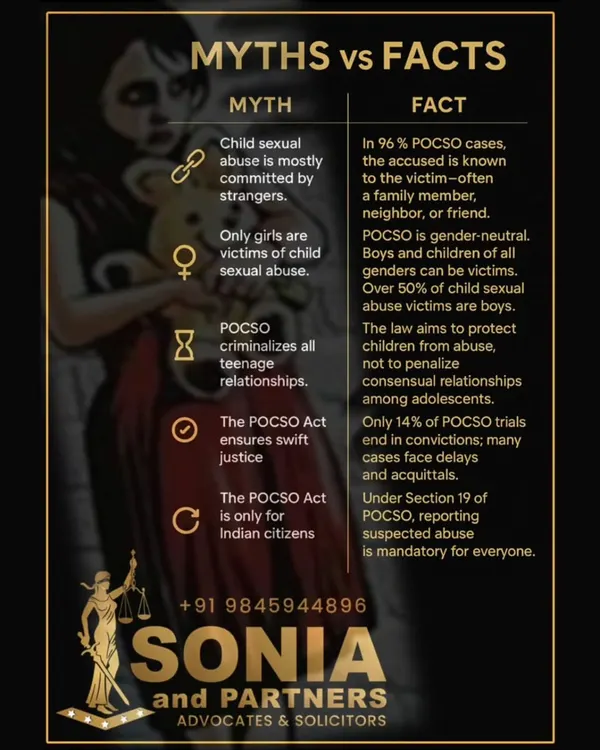
I explain the purpose of the Protection of Children from Sexual Offenses (POCSO) Act of 2012. This specialized law was introduced because previous IPC sections for rape and outraging modesty were not designed to comprehensively address sexual offenses against children.
I define voyeurism under Section 354C of the IPC, which includes capturing images of a woman in a private act. I also highlight that the new Bharatiya Nyaya Sanhita makes this law gender neutral, meaning women can also be booked for this offense.
About Understanding Laws on Sexual Offenses and Consent
Consent is not just a verbal agreement; it is a legally scrutinized state of mind. When we review cases involving Section 376 or sexual harassment allegations, we look for inconsistencies in timelines, electronic evidence, and communication patterns that are often overlooked. If you are being threatened with an FIR or are already under investigation, knowing exactly how to record your statement and when to approach the High Court is the difference between a lengthy trial and a successful quashing.
Decoding Complex Statutes
Legal battles involving sexual offenses—whether under the Indian Penal Code or the newer Bharatiya Nyaya Sanhita—are heavy with technicalities. My approach goes beyond the text of the law. We analyze your case for specific defenses: proving consent (or lack thereof), identifying the misuse of POCSO or POSH provisions, and establishing intent.
Marital Rape and Live-in Relationships
The legal landscape around live-in relationships and marital interactions is evolving. Courts are increasingly scrutinizing whether a relationship was based on deceit or genuine failed expectations. We analyze Supreme Court judgments regarding consensual relationships and the 'false pretext of marriage' doctrine to build your defense.
POSH and Workplace Safety
Under the POSH Act, employers have a mandatory duty to prevent harassment. I assist clients in understanding what constitutes 'sexual harassment' and what doesn't. If you are a victim or a falsely accused party, I guide you through the Internal Complaints Committee (ICC) processes and civil remedies.
When to Act
Do not wait for a summons to arrive or for police to contact you if you have been threatened with a false rape case. The Madhya Pradesh High Court and other forums have highlighted the dangers of delay. We focus on proactive legal representation, including:
- Securing Statements: Ensuring your version is officially on record without self-incrimination.
- Electronic Evidence: Preserving chat logs, CCTV footage, and call records.
- High Court Quashing: Filing under Section 482 CrPC to stop investigations based on abuse of process.
Legal trouble brings noise and panic. My role is to provide the silence of strategy, helping you separate the law of the land from the chaotic reality of the situation.
Similar work from other experts
Browse through Curated picks from other experts on mytribe
 4
4


Specialized Criminal Defense for Sensitive Legal Matters
 4
4


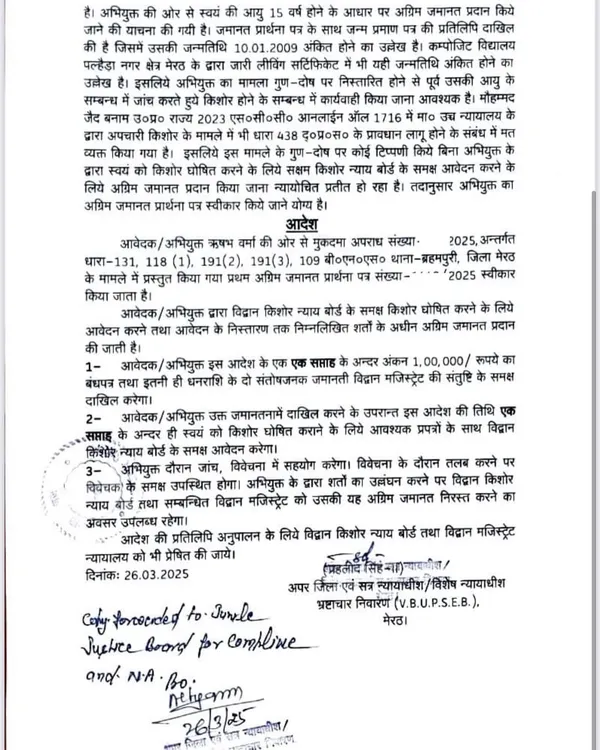
Specialized Legal Defense: Juvenile Justice & POSH/POCSO
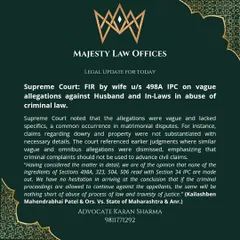
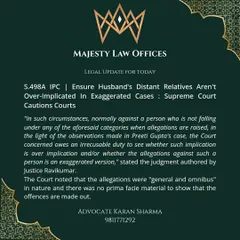
Defending Against False Matrimonial & 498A Allegations


Defending Against False Criminal Allegations
 7
7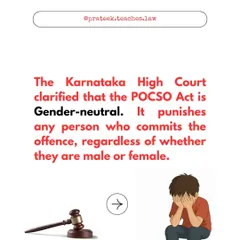
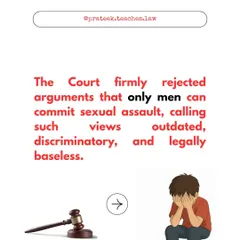
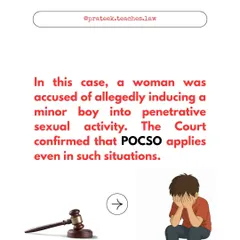
Understanding the POCSO Act and Online Child Safety Laws
Navigating Complex Criminal & Cyber Law Cases
More from Criminal Defense by Kamaluddin Ahmed
More services by Kamaluddin Ahmed