Understanding the POCSO Act and Online Child Safety Laws
The POCSO Act is a vital safeguard, but its legal complexities are often misunderstood. I break down the current laws protecting children, clarifying its gender-neutral application and the regulations governing digital safety to help you understand your rights.
A significant ruling has confirmed that women can be booked for sexual assault under the POCSO Act. This highlights the law's commitment to protecting every child, regardless of the offender's gender.
The Karnataka High Court has affirmed that the POCSO Act is gender-neutral. I explain what this means: the law punishes any person, male or female, who commits an offense against a child.
The court has rejected outdated arguments that only men can commit sexual assault. This modern interpretation strengthens the legal protection available to all minor victims.
In a specific case involving a woman and a minor boy, the court confirmed that POCSO applies. This precedent is crucial for understanding the full scope of the act.
This judgment reflects an evolving legal landscape. The law must adapt to ensure all children, boys and girls, are equally safeguarded from sexual abuse.
This ruling serves as a powerful reminder that boys are also vulnerable. The POCSO Act is designed to protect every child, and this principle is now firmly established in case law.
Online child protection is a critical area of my practice. Section 67B of the IT Act imposes severe penalties for creating or sharing child pornography, and I guide clients on reporting such crimes.
About Protecting Children: The POCSO Act & Online Safety
Recent judicial precedents have confirmed that the POCSO Act is strictly gender-neutral, meaning it protects children against any offender, regardless of gender. This shift in legal interpretation is crucial for understanding how the system now handles cases of sexual abuse. Beyond physical protection, I also assist families in navigating the legal requirements of Section 67B of the IT Act, which addresses child pornography and digital exploitation.
Navigating Modern Child Protection
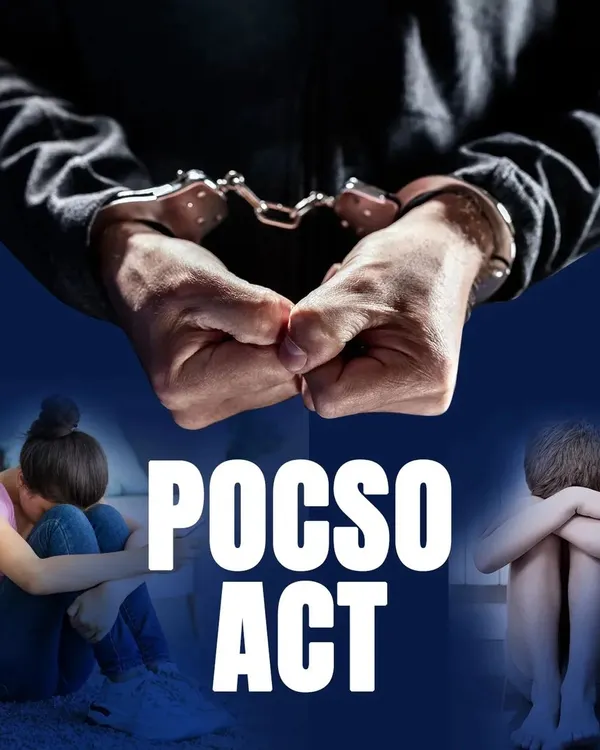
Legal awareness is the first step in ensuring a child's safety. When dealing with sensitive matters involving the Protection of Children from Sexual Offences (POCSO) Act, it is important to look past common myths.
Key Aspects of the POCSO Act:
- Gender Neutrality: The law does not differentiate based on the offender's gender. The objective is the absolute protection of the minor.
- Modern Interpretation: Courts have moved away from outdated arguments, focusing instead on the victim's vulnerability and the severity of the offense.
- Applicability: It covers both physical and sexual assault, emphasizing that protection is a right for every child, whether male or female.
Digital Safety and the IT Act: In an increasingly connected world, digital exploitation is a primary concern. Section 67B of the Information Technology Act provides a framework for penalizing the creation, publication, or transmission of obscene content involving minors.
How I Help:
- Reporting Procedures: I guide clients on the correct, legal way to report incidents to the National Cyber Crime Reporting Portal or local authorities.
- Legal Documentation: From drafting petitions to handling court filings, I ensure your documentation is technically sound.
- Procedural Clarity: Legal processes in India can be daunting. I provide a roadmap of the court proceedings, from the initial complaint to the admission stage, ensuring you know what to expect at every hearing.
Similar work from other experts
Browse through Curated picks from other experts on mytribe
 4
4


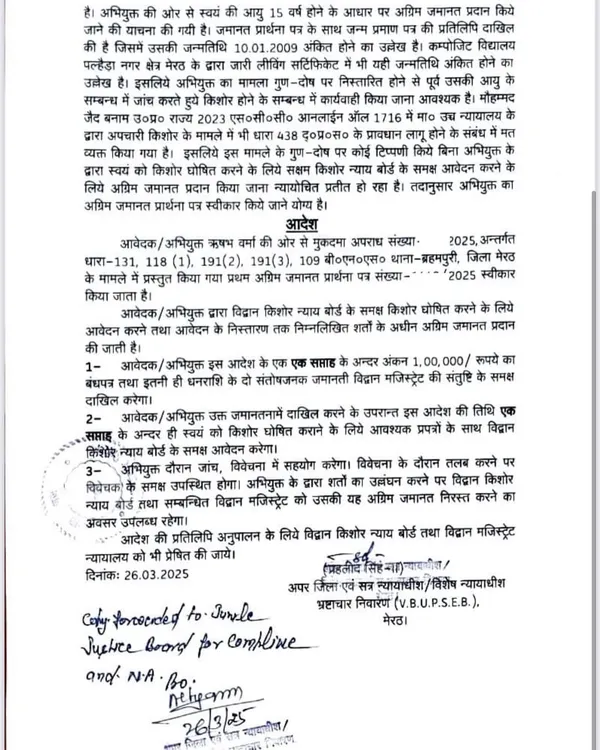
Specialized Legal Defense: Juvenile Justice & POSH/POCSO
 56
56

Empowering Youth: Interactive Legal Awareness Workshops
Understanding Laws on Sexual Offenses and Consent
 6
6
Legal Defense for Women & Children's Rights
Navigating Complex Criminal & Cyber Law Cases
Cyber Law and Digital Safety Awareness
More from Family Law (Child Custody & POCSO) by Prateek Chandramouli
More services by Prateek Chandramouli